Charlotte Vincent: ‘We think we’re indestructible - I am proof we’re not’


Chef Charlotte Vincent has spoken publicly for the first time about the severe health crisis that left her with pneumonia, a lung abscess, fractured ribs and long-term respiratory damage.
Charlotte is clear that her illness was not caused by any one employer, but by the cumulative pressures of a long career in professional kitchens.
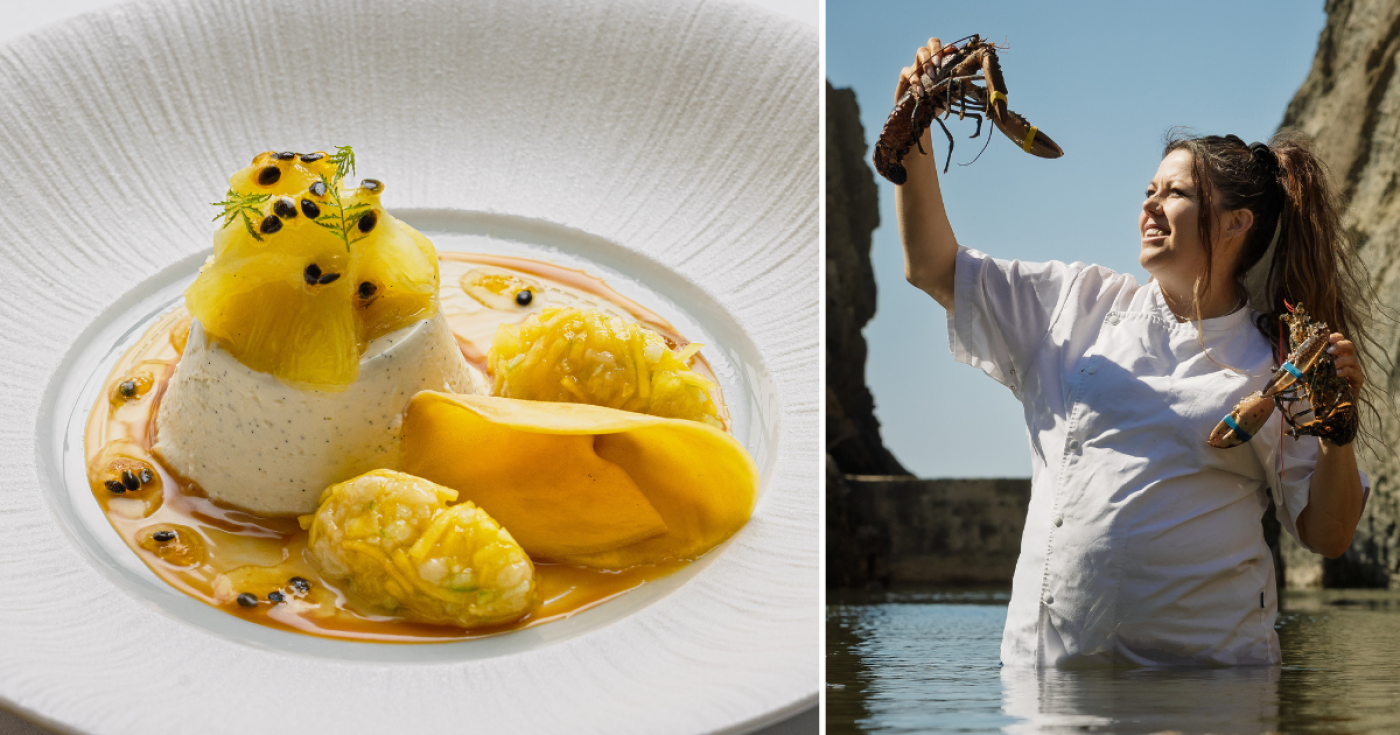
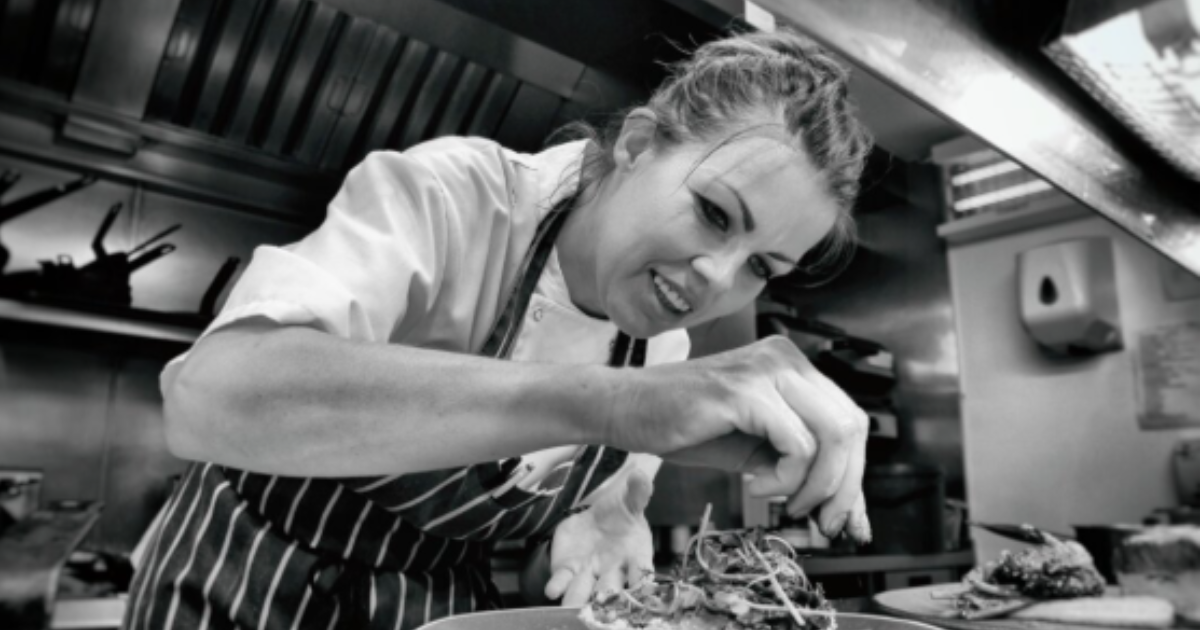
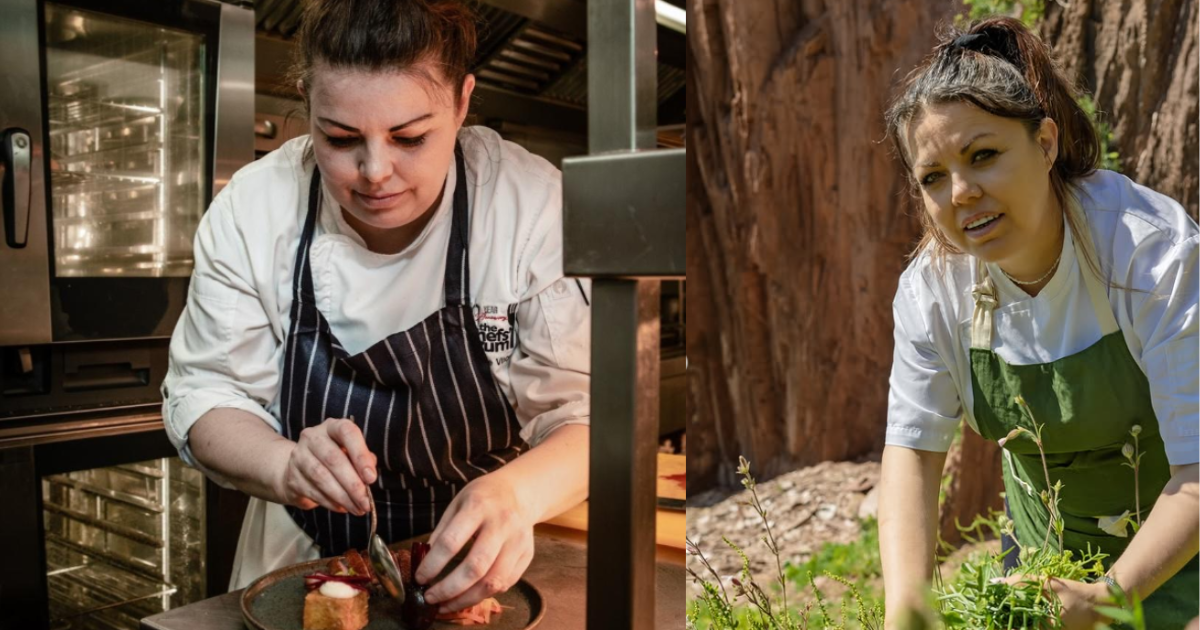
Charlotte, who has twice appeared on Great British Menu, has an eclectic background, working as a private chef for high profile clients, spending time in the Army and having worked in science previously.
Like many chefs, she was used to pushing through pressure - until her body forced her to stop.
‘I just woke up one day and couldn’t breathe’
She said: “I didn’t have any warning. I didn’t get a cold and get a sore throat. I didn’t feel under the weather at all. I just woke up one day with a sharp pain in my left side and I couldn’t breathe.”
In the weeks leading up to that morning, Charlotte said she had been working '80, 90 hour weeks' through the summer and pushing herself to be on shift as much as possible.
She added: “I wanted to be on shift all the time and I did 86 hours the week I got sick. Now in hindsight, I would have just done my 48 hours and not got pneumonia.”
Charlotte initially went to hospital, where she was sent home twice with a diagnosis of bronchitis.
She said: “They sent me home with bronchitis, gave me antibiotics and some pain relief.
"48 hours later, I’m getting worse. I’m walking up two stairs and I sound like I’ve got croup."
A few days later, everything escalated.
She said: “Four days later, I collapsed in the bathroom and I was coughing up blood. I don’t just mean frothy blood, I mean full on bleeding out my mouth. And I got rushed into A&E, they discovered that I had pneumonia.”
Pneumonia, lung abscess and broken ribs
Once in hospital, Charlotte said the reality of pneumonia hit hard.
She said: “I had pneumonia in my left lung. I’ve never in my life had it. It’s so painful. It’s not cold. It’s not flu. It’s like you’ve broken your ribs and every ten minutes you feel like you’re going to drown.”
She described the sensation of her lungs filling with fluid faster than her body could clear it.
Charlotte added: “Your lungs just fill with fluid and you can feel it coming up in your throat and you don’t know what’s going to happen, if it’s coming out your nose or your mouth. And then you just cough and cough trying to clear it, but you can’t clear it because it’s stuck in your lungs. It can’t come up through the middle of your body. So you just feel like you’re drowning constantly.
“I spent two weeks on drugs, drips, morphine and antibiotics. I can’t have penicillin because I’m allergic. So they tried to hit it with every type of antibiotic it possibly could and it wasn’t working.”
After steroids and further treatment, she was briefly well enough to be discharged – but the improvement didn’t last.
Charlotte said: “Four days later, my hazing was back on my lungs so it had come back. They CT scanned me and then they found an abscess in my lung, which is quite deep inside, which I didn’t know you could get.”
Doctors inserted a drain to remove the abscess.
She said: “They put a drain in, they drained it, and I got super better again.”
But the pneumonia returned once more, this time affecting both lungs and leaving her with additional injuries from constant coughing.
She said: “They CT scanned me again, [they] found more pneumonia going into my right lung, so it’s spreading. I’ve broken two ribs coughing, basically. I’ve fractured both my ribs on my left side just trying to cough, clearing my lungs constantly.”
At that stage, Charlotte said doctors warned her how serious the infection had become.
She said: “The doctor said to me on my third visit, he said, ‘When we found the abscess, the infection was so bad, you’d been 48 hours from not being here.’ They treated me for sepsis.”
Because other antibiotics were failing, the team decided to risk using penicillin despite her allergy history.
She said: “They just said to me, ‘Right, it’s do or die because we’re trying to bring a knife to a gunfight with these antibiotics, so we’re going to give you penicillin.’ So they did, and I’m already feeling better.”
Living with long-term damage
Even with the infection now better controlled, Charlotte said the illness has left lasting damage to her lungs and a long rehabilitation ahead.
She said: “Now I’ve got a long-term health condition where I’ve got 80% of my lungs are working. They’ll come back, but it’ll take a long time. I’ve got to have physiotherapy starting next week when they’ve cleared the infection. I’m on inhalers for the rest of
my life. I have to have salbutamol and clenil now for the rest of my life.”
The impact on day-to-day life has been stark.
She said: “I couldn’t even walk up two steps. I was crawling around the house trying to just do normal things like make tea and use the toilet.”
Being unable to work has also brought financial strain.
She said: “It’s taken me off my feet. I haven’t worked now for two months. We’re just living off savings at the moment. My body’s just breaking down a bit. I don’t know if it’ll be able to cope with the stress.”
‘Chefs think we are indestructible’
Charlotte said part of her reason for speaking openly now is that she wants other chefs to take the risks of stress and overwork seriously.
She explained: “It’s such a wake-up call for other chefs as well, isn’t it? We just think we’re indestructible, I am proof we're not. I swear to God, we all think we can keep going because we’re so used to putting in the hours and the stress and it’s taken me off my feet.”
Looking back, she can now see warning signs that she brushed aside at the time.
She said: “It’s so difficult because you don’t know you’re going to get sick. I had no warning, there were warning signs and it started with insomnia. My body was just saying, ‘I can’t do this anymore,’ and I wasn’t listening.”
Her message to others in the industry is blunt.
She said: “I would just say to chefs, it’s always about you. You have to think about yourself. You can’t be good at your job if you’re not looking after yourself.”
Charlotte added that hospital staff had told her they see similar cases from professional kitchens.
She said: “The doctors are saying a lot of chefs come in with pneumonia and it’s all stress related. It’s normally a breakdown in your body where you’re stressed. You might pick up a virus like a cold and it gets into your system and your body’s just too weak to fight it. That’s basically what’s happened to me. I’ve had viral pneumonia largely down to stress.”
Kitchen culture, contracts and mental health
Alongside her physical health, Charlotte said the experience has made her rethink how chefs are hired, managed and supported.
She said: “Chefs get used up and spat out, don’t they? And I don’t know how we can stop that, and if we’ll ever stop that.”
Charlotte also wanted to highlight the mental health toll on teams, including front of house.
She said: “It’s not always chefs, it’s also front of house that suffer. My point is, no one talks about the mental health of people and we all think we’re fine and we’re really not fine. I see so many chefs on the edge. If they can’t do anything about it, what do they do? They take drugs and drink.”
She said she has watched colleagues struggle in silence.
She said: “I’ve watched chefs fall away from me. I’ve retained the same team for a long time because I’ve helped them and I’ve gained their respect and they’ve become happy men that have married or have children and just settled into their roles. But I can’t help everybody and in that respect I think I’ve made myself sick by doing it.”
For Charlotte, that culture also affects whether younger chefs stay in the industry at all.
She said: “[My son] did 70 hours last week. He’s 24. And he’s already said to me, ‘I’m not doing this, Mum. I don’t want to get into this trade.’ Five years ago, he was adamant that he was going to follow in my footsteps, and he’s just seen how the trade treats people. He wants out.”
‘I nearly died from stress and pneumonia’
After months of illness, hospital stays and uncertainty, Charlotte said she now feels she has little to lose by raising her voice.
She said: “I actually want to speak out now because i’ve got nothing to lose. I nearly died from stress and pneumonia.”
Charlotte believes change has to start with recognising that looking after staff is not an optional extra.
She said: “Hospitality needs to change because we’re going to lose a lot of good chefs, including myself, at this rate. If the team are happy, everything else is happy."
While her recovery is still ongoing, she hopes her story will make at least some chefs stop and take stock before they potentially reach the same point.
If you are struggling with stress, burnout or mental health in hospitality, you can find support through:
• Hospitality Action
• NHS mental health support services
We encourage anyone experiencing similar symptoms or pressures to seek help early.
Written by Abi Kinsella

For 18 years, The Staff Canteen has been the meeting place for chefs and hospitality professionals—your stories, your skills, your space.
Every recipe, every video, every news update exists because this community makes it possible.
We’ll never hide content behind a paywall, but we need your help to keep it free.
If The Staff Canteen has inspired you, informed you, or simply made you smile, chip in £3—less than a coffee—to keep this space thriving.
Together, we keep the industry connected. Together, we move forward.
Support Us
CONTRIBUTE

Charlotte Vincent: ‘We think we’re indestructible - I am proof we’re not’


