‘Gastronomy in liquid form’ – Non-alcoholic drink making waves in high-end restaurants


January is often a month where people seek to broaden their horizons and try out new things.
Something fresh on the market for UK consumers comes from an unlikely source – the Dolomites mountain range in Italy.
Launched to offer a non-alcoholic alternative, the team at Feral Drinks use their scientific backgrounds to create a genuine solution to pair with high-end restaurant food.
Explaining exactly what it is they offer, Feral founder Maddalena Zanoni told The Staff Canteen: “It’s a good question and a very difficult answer, because we know what we’re not. We’re not de-alcoholised wine, we’re not kombucha, we’re not tea, we’re not an infusion.
“We call ourselves fermented botanical drinks. We don’t present ourselves as an alternative to wine, because when you do that, you’re putting yourself as the second-best option and putting the bar as having to pretend to be wine.
“What we want is to create something new that’s gastronomy in liquid form. That’s how I would describe it.
“The majority of Feral drinkers are actually wine lovers, and some chefs even include us in alcoholic pairings. It’s not about whether there’s alcohol or not; it’s about taste exploration.”
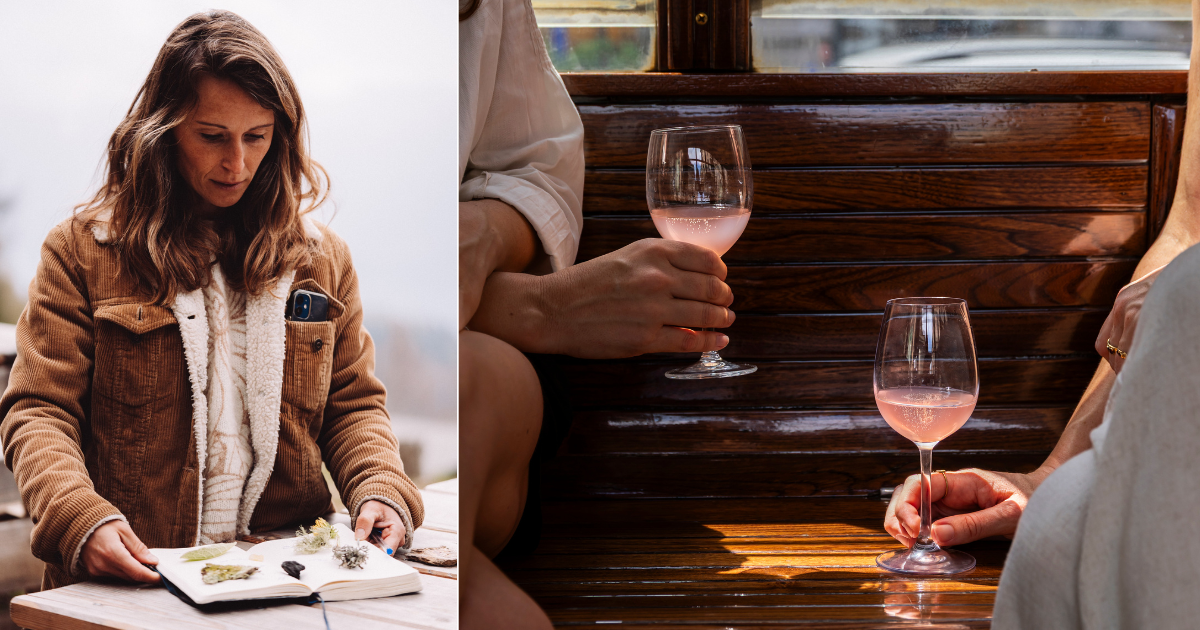
How did Feral Drinks launch?
So how did the business actually come to be?
Maddalena explained: “The idea came about five years ago out of a combination of passion and frustration. I’m very passionate about food, drinks and wine - I was even starting to become a sommelier - and I really love to eat and drink.
“But I’m very short, very sporty, and my body couldn’t really handle a lot of alcohol.
“The frustration was that there was really nothing at the time that was food-friendly, interesting, culinary, with some dignity in the glass. At the same time, I could see something starting to move in the market with non-alcoholic beers, but nothing was really helping food. That’s where it all started.
“It then took about two years before we could really have a product and launch it on the market. That was Feral. Luckily, we started with chefs - they really helped us shape the recipes at the beginning.”
- Read more: Dry January and beyond - John Logue on Chance Clean Cider’s rapid rise
- Read more: How does Dry January really affect London bars?
She added: “It took us two years just to get to market. It was a lot of pain before seeing a bit of light.
“I never expected it to be that complex. Once we managed to make it work in a Thermomix with two litres, it took us another year to get it to work at 1,000 litres. We had to throw away so many batches.
“It’s complex because alcohol is an incredible preservative, and when you don’t have it, you can have so many contaminations. Fermentation is a live process - you never fully know what’s going to happen - so it’s difficult to control that.
“Fermentation gives two key things: acidity and mouthfeel. It converts sugars into acids.
“One of the biggest problems with non-alcoholic drinks is that they’re too sugary and not food friendly. But through fermentation, we can convert sugars into acids.
“We use a combination of four different bacteria, which we’ve explored. On top of that, we build the organoleptic profile through botanicals.”
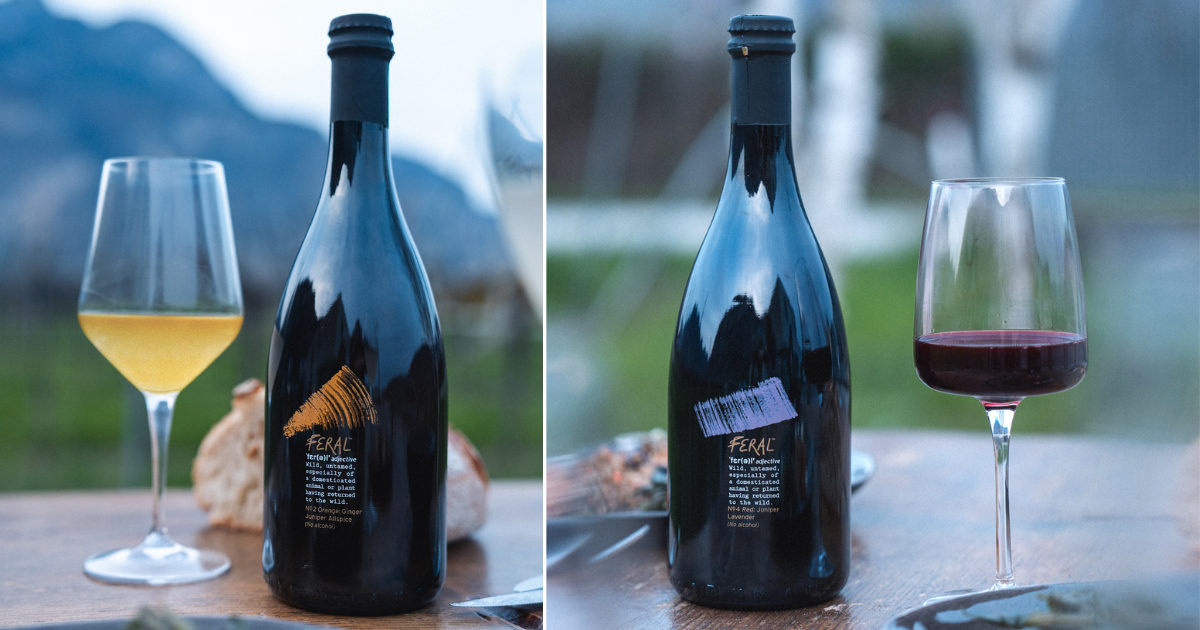
Winning over chefs and consumers
Given there is no real reference point for what Feral offer, Maddalena admits it was difficult initially to get their product seen.
“It’s been hard, honestly,” she said.
“At the beginning, we had a very niche community of people, who really had a huge problem that we solved. They were fine dining chefs, who had to offer something to be at the level of their food.
“Hospitality really helped us break the barrier at the beginning. When you trust a sommelier or waiter who suggests trying something new, other than just water, that really helped us.
“E-commerce then grew incredibly well, mainly through Instagram. We communicate a lot around our values and energy, and that converted much more than I expected. Speaking directly to consumers allows us to explain ourselves without a distributor, sommelier or waiter. It’s a much shorter chain.
“With consumers, you don’t want to be too technical.
“One of the reasons younger people fell out of love with wine is that it became too complex. You almost nearly needed a university degree in wine to understand what to drink!
“With Feral, we say: it’s a botanical drink, it’s interesting, try it - and we’ll explain more if you want. Otherwise, just enjoy. The only thing we prepare them about is that it is a bit spicy, so people are not surprised.”
Dry January and the post-Christmas opportunity
As marketing grows around Dry January, it has become an increasingly important time for brands like Feral.
“December is huge for Christmas gifting, and January is our second biggest month,” she said.
“Dry January is a good opportunity to get people to try something new.
“Alcohol is often consumed just for the social aspect, and Dry January legitimises taking a break. For us, it’s important because it encourages discovery. It’s not the only way, but it’s a nice initiative.
“I also think it’s interesting to see what happens when you don’t drink alcohol for a month.
“I still drink wine, but I’m much more conscious about it. I run a bit, and I can clearly see how alcohol affects my sleep and then my running.”
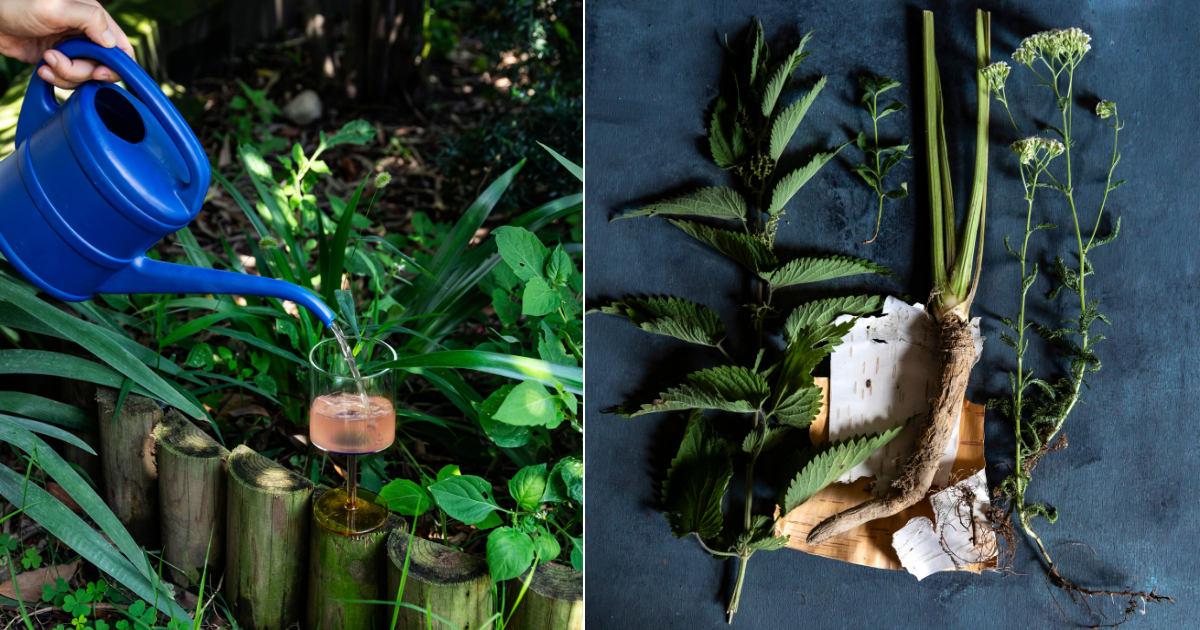
UK expansion and the team behind the brand
As the Feral brand grows, they have now expanded into the UK, enjoying quickfire success.
“We only recently entered the UK, starting with fine dining,” said Maddalena.
“The response from restaurants has been incredible. When I visited London, chefs told me, ‘finally, this is what we needed - it’s ready to drink, complex and multi-layered.’ The feedback was incredible. I’m very pleased about it.
“E-commerce launched in December and grew very fast, including through January, which is going very well. That led us to open a UK warehouse to improve delivery. I really strongly believe in the UK as a market - it’s innovative.
“I was actually more worried about Italy, because we’re very attached to what our grandma did, and our grandmas didn’t have Feral!
“But I’m really surprised Italy has been doing extremely well too.”
She added: “We have about 10 people in the team now, and the majority are focused on product development and production, with strong scientific backgrounds.
“The reason for that is simple: I don’t have that background myself. I have studied a lot about it in recent years. I come from sales, marketing and strategy, so the first people I looked for were microbiologists.
“A lot of the team used to brew beer, and we all studied to become sommeliers to understand taste, how alcohol contributes to flavour, and what we could do to achieve the same results without it.”
Asked how she sees the future of fermented or botanical drinks in the market, Maddalena said: “I think we’ll see a boom in the next three to five years, which is both good and bad. When markets are growing, companies want to take their space and they are not going to bother too much with fermentation or organic ingredients. They will just put maybe water, aroma, acidifiers and preservatives.
“I’m sure there will be a huge amount of low-quality products.
“At some point, the bubble will burst. Some companies will stay, many will go away. But consumers will have more choice, and overall we’ll be in a better place.
“For me, I am doing what I believe in. Non-alcoholic drinks should be a gastronomic expression in liquid form - another option where flavour matters more than the alcohol content.”

For 18 years, The Staff Canteen has been the meeting place for chefs and hospitality professionals—your stories, your skills, your space.
Every recipe, every video, every news update exists because this community makes it possible.
We’ll never hide content behind a paywall, but we need your help to keep it free.
If The Staff Canteen has inspired you, informed you, or simply made you smile, chip in £3—less than a coffee—to keep this space thriving.
Together, we keep the industry connected. Together, we move forward.
Support Us
CONTRIBUTE
‘Gastronomy in liquid form’ – Non-alcoholic drink making waves in high-end restaurants


