H2 Know: How restaurants can get the most from water

The Staff Canteen

Bottled, filtered or tap? What’s the best water to offer guests and can H20 ever be a money-spinner for restaurants? The Staff Canteen dives in.

Water is always in the news. We hear about this natural resource when there’s too much, or too little of it, and when companies that supply it to our homes and businesses mess up.

Then, last year some surprising news linking water and hospitality trickled in: La Popote, a French restaurant in Cheshire was introducing the UK’s first water menu.

Drinking water – bottled, filtered or from the tap – has of course been offered to diners for decades, but this was the first time we’d seen a dedicated list created by a certified water sommelier in a restaurant.

It was perhaps surprising this news made such a splash given sustainability concerns around bottled water and the fact that non-alcoholic and soft drink innovation is high.

However, Doran Binder, the water sommelier responsible for curating the seven-strong water list for La Popote, and owner of water brand Crag Spring Water, had been certain for years it would generate interest. He just needed to convince a restaurant to get on board.
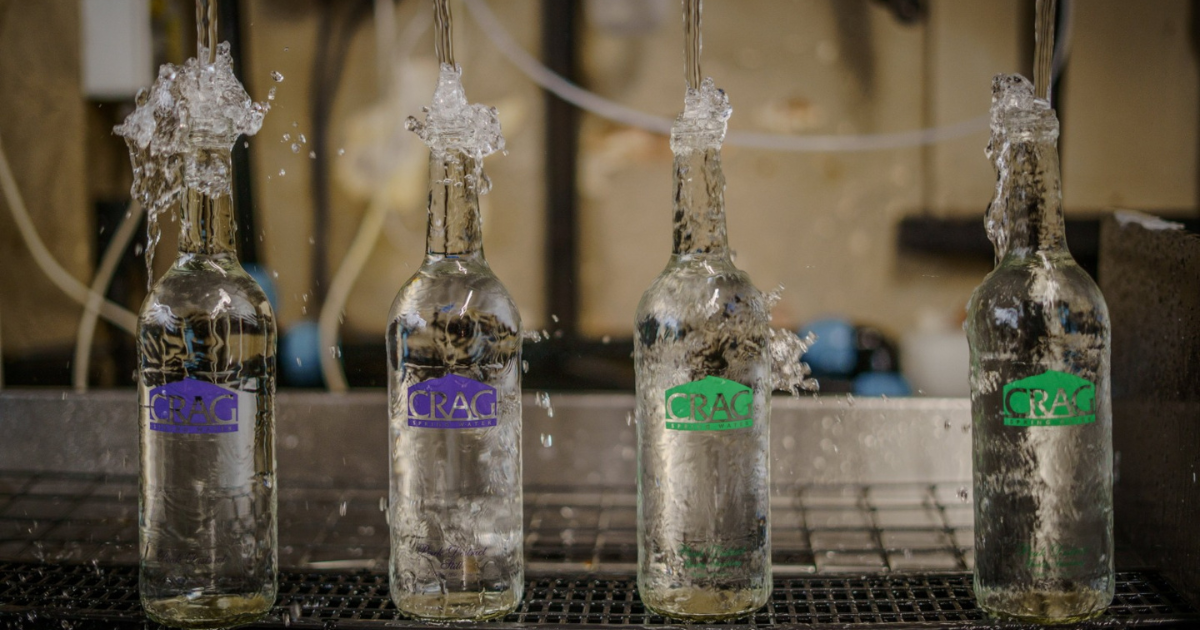
Crag Spring Water

“It took me three years to persuade Joe [Rawlins, chef-patron at La Popote] to do a water list and he was the bravest person in the country to agree,” he explains. “I’d been talking to a lot of people about it and they were scared because they thought they’d be laughed at. I knew it would get huge publicity though and it did.”

News of La Popote’s water menu featured heavily in the national and international press when it launched last August and the restaurant experienced a surge in bookings from diners eager to try the seven bottled waters.

Seven months on, are diners still as thirsty?

“The buzz has died down a bit,” says Joe, “but we’re still stocking water and selling it.”

While diners are ordering bottles of water at La Popote, in a perverse move, more of them are asking for tap water now than before the menu existed, says Joe. He puts it down to the fact it’s listed on the menu.

“Tap water’s always been available, we have to offer it by law, but because we have it on the menu, they know it’s OK to ask for it, if that makes sense.”

This increased demand for free tap water doesn’t concern Joe, he regards it as part of the service. And diners are ordering bottled water. Doran’s brand Crag Spring Water, sourced from a spring in the Peak District located seven miles from La Popote, is a best-seller, while Lauretana a bottled water from Italy and sold for £12 for a 750ml is also a popular choice.
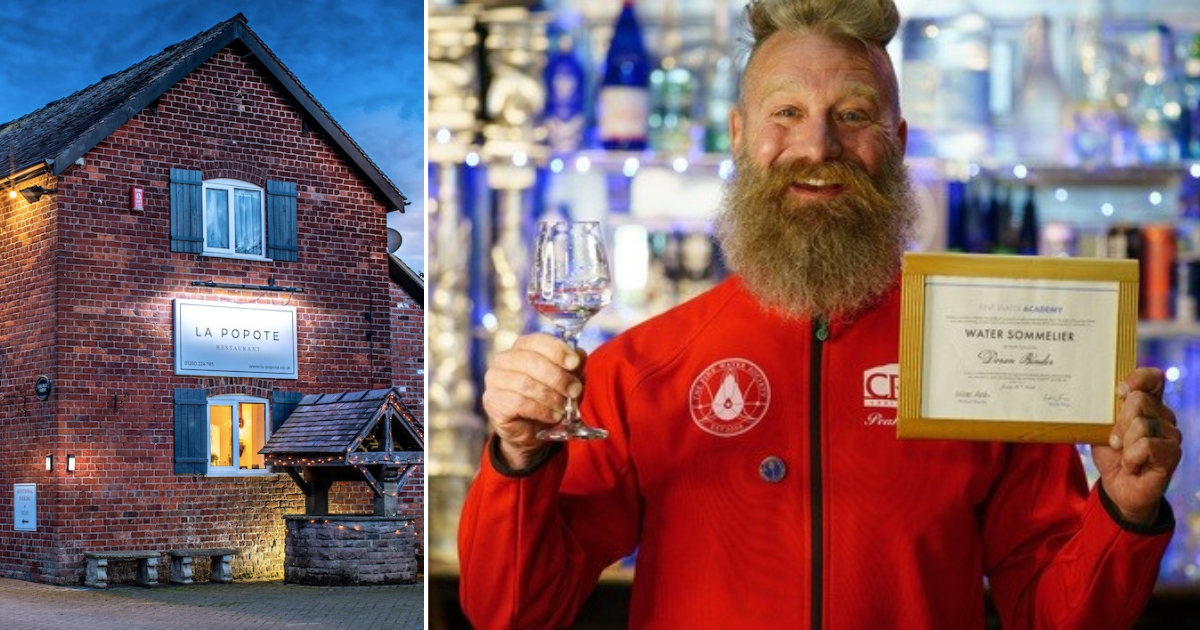
La Popote and Doran Binder

An educated taste

The water menu has not been a money-spinner for the restaurant, Joe admits, but that wasn’t the intention. It gained the restaurant the publicity Doran predicted and, in some small way is helping to educate consumers about water.

Because different natural spring waters have their own flavour profiles, influenced by the rocks they flow through says Doran. “Just like in the world of wine, we have terroir in the world of water,” he says.

Teetotaller Doran would love to see more restaurants stock a wider range of mineral waters so diners can appreciate the taste and health benefits.  He rejects any criticism that bottled water is bad for the planet, believing that as long as waters are sourced sensibly the impact is minimal.

“All you’re doing is enhancing epicurean and fine dining experiences, that’s all this is,” he says.

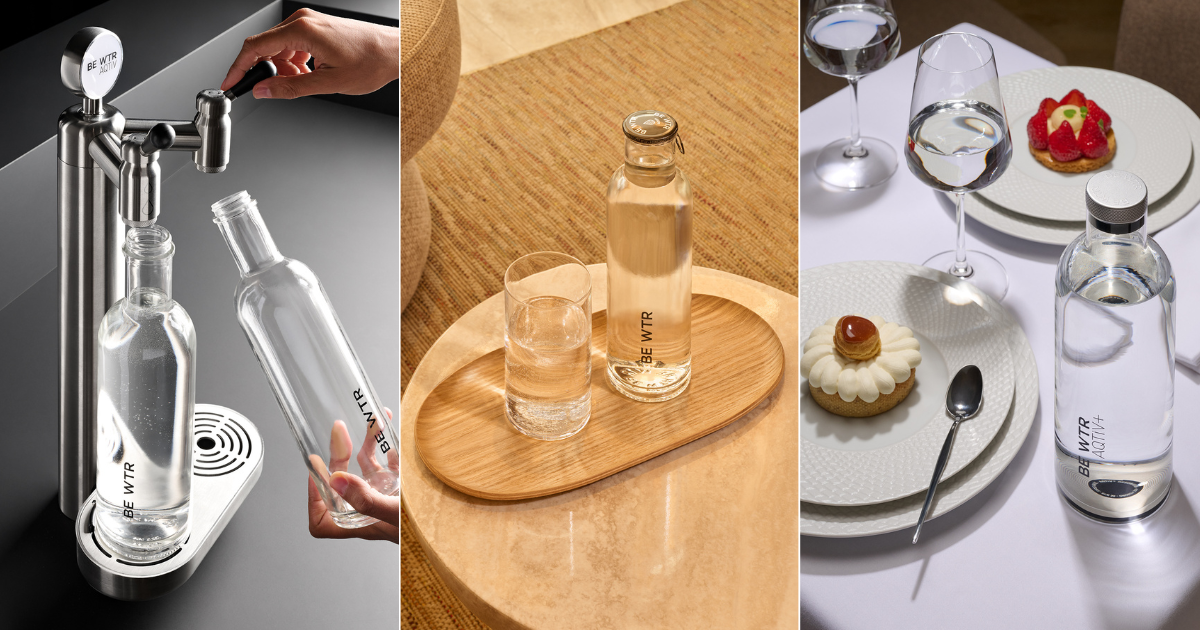
Enhancing the experience at fine-dining restaurants and top hotels is one of the aims of sustainable premium still and sparkling water company BE WTR.

However, BE WTR UK managing director Jonathan McNicol takes an opposing view on mineral water in restaurants.

“They often have quite a strong taste,” he says. “And if you put a product with a strong taste in an environment where chefs are expressing different tastes they’ve created themselves you’re going to have some clashes.”

BE WTR uses a filtration technique that gives its water a neutral taste which Jonathan says is ‘tailored for gastronomy’. It’s designed to complement, rather than clash, with food.

The Swiss-born brand has already been adopted by Michelin-starred restaurants in France, including Le Bristol. Meanwhile, the company supplies high-end hotels groups with sites in the UK, such as Rosewood, with its water that is either filtered at a local site, or on-site in some cases, and supplied in stylish, reusable glass bottles.

BE WTR

Water treatment

Jonathan and Doran’s views differ on how water served in restaurants should taste, but they do agree that it deserves a place at the table and recommend that operators looking to enhance service for their guests respect the way water is sourced, sold and served.

Water filtered by BE WTR is provided in sealed glass carafes designed to be both ‘elegant but robust’ says Jonathan, adding that they fit their five-star hotel or Michelin-starred restaurant surroundings while also being sustainable (each carafe can be re-used up to 300 times).

Whether you decide to charge for water or not, paying attention to how you source and serve water has many benefits. From an aesthetic viewpoint, serving water from an eye-catching glass bottle, or elegant carafe will show you care more than if you serve lukewarm tap water in scratched highball glasses.  

There is also the sustainability factor to consider. If this is important to you and your business, what is the best way to source and serve water without compromising the planet?

“The two biggest factors to consider are where the water is sourced and how it is packaged,” advises Jocelyn Doyle of The Sustainable Restaurant Association.

“Make sure your water isn’t coming from a water-stressed region and that its sourcing doesn’t have any negative impacts on local communities or habitats.”

Choosing water that hasn’t travelled ‘long distances to get to your restaurant’ will also reduce transport emissions, she adds.

So if you are located near a local supplier, as La Popote is to its house water Crag Spring Water, which offers a circular reusable glass bottle scheme, and you want to offer a mineral water this could be a good option.

But the most sustainable option for water according to Jocelyn is to serve it from the tap, or filtered in reusable containers, which would eliminate transport emissions altogether.

“Ideally, switching to a filtered water system like Belu or BE WTR is a better option than buying bottled,” she says.

(Written by Emma Eversham)

Built by Chefs. Powered by You.

For 17 years, The Staff Canteen has been the meeting place for chefs and hospitality professionals—your stories, your skills, your space.

Every recipe, every video, every news update exists because this community makes it possible.

We’ll never hide content behind a paywall, but we need your help to keep it free.

If The Staff Canteen has inspired you, informed you, or simply made you smile, chip in £3—less than a coffee—to keep this space thriving.

Together, we keep the industry connected. Together, we move forward.

The Staff Canteen

The Staff Canteen

Editor 18th March 2026

H2 Know: How restaurants can get the most from water