Eric Kragh Vildgaard: From the ‘dark side’ to three Michelin stars at Jordnær


There is a quiet intensity to Eric Kragh Vildgaard.
Not the performative ego sometimes associated with three-Michelin-star kitchens, but something deeper - reflective, grounded, and deliberately controlled.
At Jordnær, the restaurant he co-founded with his wife Tina Kragh Vildgaard in 2017, that grounded philosophy is not just a name - it’s a way of life.
“The name ‘down to earth’ is actually more about grounding,” Eric explained.
“It’s about being human. It’s about the philosophy of how we are as people. It’s about being down to earth.
“Fine dining is more grounded today compared to 40 years ago. I don’t think guests like to be extras in a chef’s show. It’s not about the chef and his food. It’s about creating moments and embracing the moment people are here for.
“They come for the food, but they leave with the experience.”
That ethos would carry Jordnær from its opening in Gentofte, just north of Copenhagen, to its first Michelin star in 2018 - barely a year after launching - and ultimately to the pinnacle of three Michelin stars in 2024.
Along the way, Eric was named among the world’s leading chefs at The Best Chef Awards, while the restaurant collected further accolades including recognition in The World’s 50 Best extended rankings and multiple Danish dining honours.
Yet for Eric, the story begins long before Michelin.
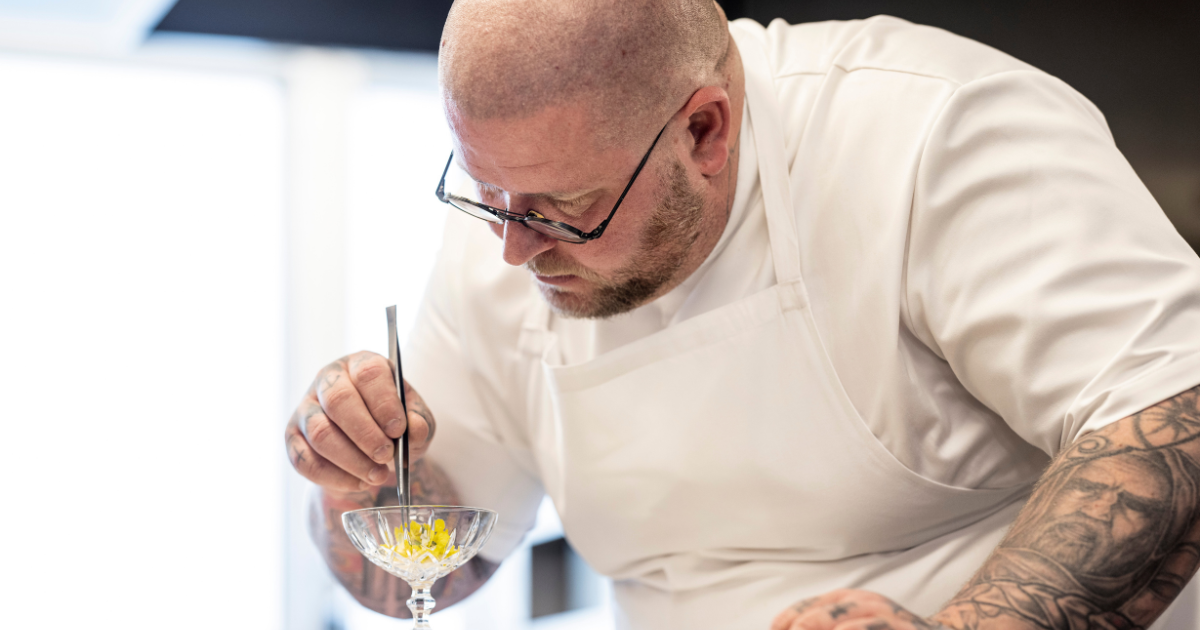
A different beginning
“The journey I’ve been on from my early days to now has been adventurous,” he said, choosing his words carefully.
“We were actually approached by a production company to create a movie based on my life.
“I used to live on the dark side of the moon. I’ve been in parallel worlds with normal society. I’ve seen everything.
“I had to make a decision. I left my past behind. It wasn’t easy. I’ve been around different criminal activities - let’s keep it at that.”
Cooking, at first, was less a calling and more a refuge.
“I used being a cook as a pause button because the old-school kitchen hierarchy - it was aggressive. I was like a fish in water.”
It was Tina who challenged him to turn that refuge into purpose.
“I was fortunate and blessed to meet my wife,” he admitted.
“She demanded that I take a stand for who I wanted to be.”
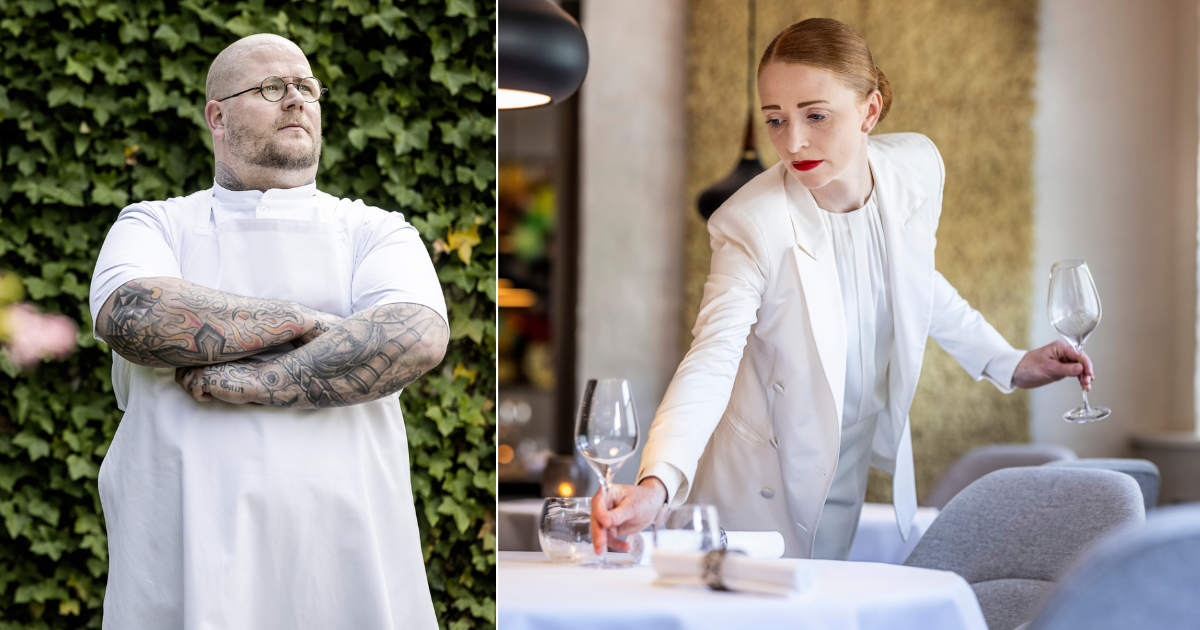
Tina saw something in Eric that he struggled to see in himself.
“When you are an artist, you often doubt yourself,” she said.
“Often the most talented people don’t truly believe in themselves. You need to show them they are unique, that they have talent.
“Even when they try to push you away or disappoint you, you have to keep believing. Keep saying, ‘It’s okay, we are moving in the right direction.’”
The turning point came with a simple question.
Eric reflected: “Tina looked at me and said: ‘You need to do something. What do you want to do?’
“I said, ‘let’s open a restaurant.’ And we’re sitting in it now.
“The restaurant turns nine in May. Tina and I have been together 10 years. So I’m 10 years old as a human being in this world. Sometimes I need to pinch myself.”
The story behind the name
Before the stars and accolades, there was the question of identity.
“The name Jordnær was gifted to us by a forager called Roland Rittman,” Eric explained.
Roland was instrumental in shaping the Nordic foraging movement, supplying wild mushrooms and herbs to some of Scandinavia’s most influential kitchens, including the world-renowned Noma.
His home in Anderslöv, Sweden - a converted cow stable named Jordnära since 1976 - became unexpectedly significant.
“Tina and I went there just before opening the restaurant,” said Eric.
“Tina was pregnant with our first child. We stayed, had dinner, and in the morning he asked why I looked frustrated. I said, ‘we know what to call our daughter, but what do we call our restaurant?’
“He said, ‘why don’t you take the name Jordnær?’
“He felt it suited us - ambitious, yes, but human before chefs. That’s how it came about. Not many people know that story.”
For Tina, the meaning remains simple.
She said: “It means ‘down to earth.’
“Many people think it refers to what’s on the menu, something connected to the soil. But here it’s more about how people see Eric and me as individuals - being grounded.”
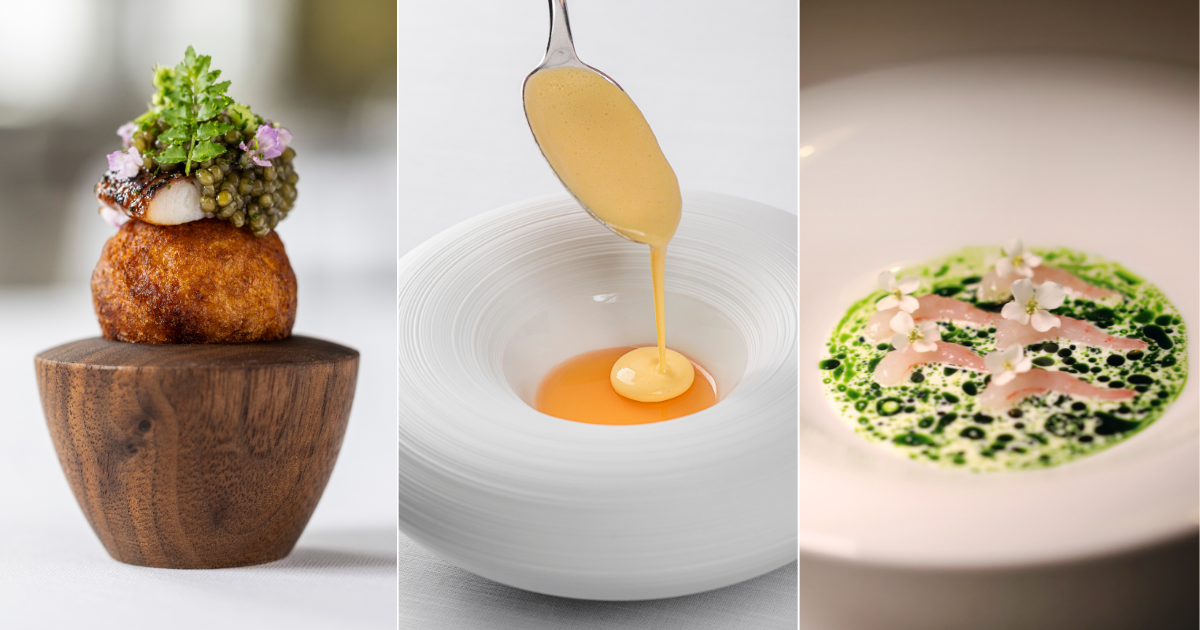
Removing red meat - and redefining the menu
In late 2018, just as Jordnær was finding its rhythm, Eric made a bold decision: remove red meat from the menu.
“The reason I removed red meat was because I felt underwhelmed with the product,” he explained.
“It’s hard to relate to a vacuum bag with muscle tissue inside.
“The way I felt seeing the live seafood coming in the day, the turbot, the fish coming directly from coastal boats - sustainably caught - it felt more relatable.”
He added: “I eat meat. I’m not against meat. You might see a meat dish here now and then, but it needs to be exceptional.
“I like the finesse and refinement of seafood and vegetables.”
Sustainability, too, is non-negotiable.
“We are not putting anything inside this restaurant that is not coming from a sustainable source,” he insisted.
“If we don’t take care of the sea, who is going to take care of it?”
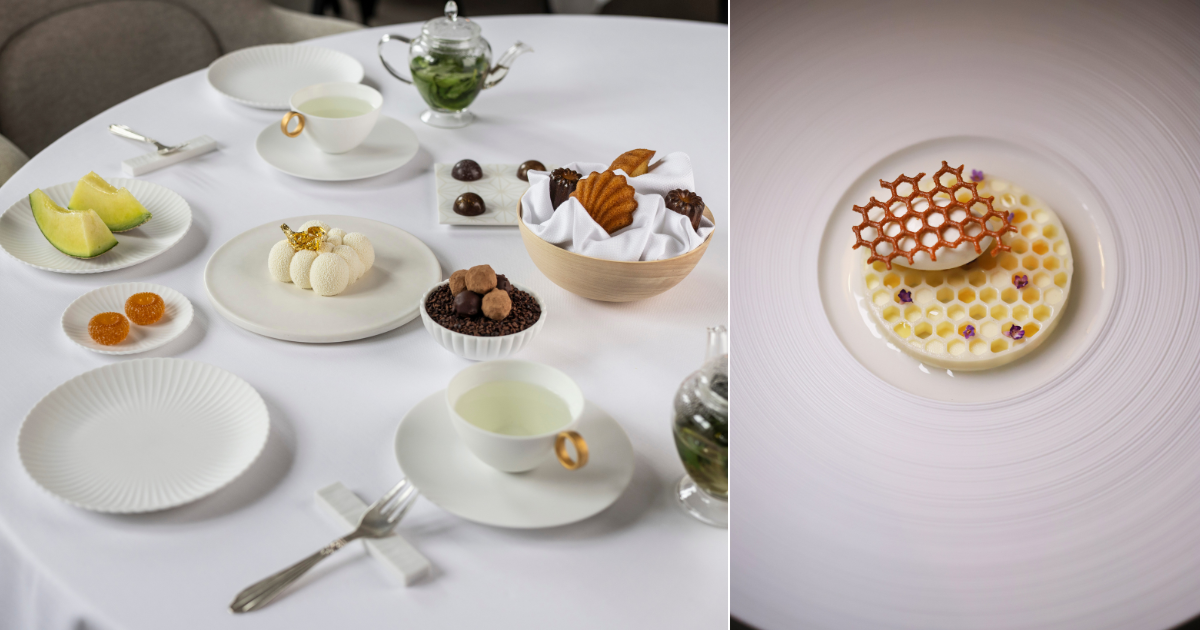
The result is a menu defined by pristine seafood, precision and restraint — cooking that feels simultaneously luxurious and intimate.
A different kind of leadership
Eric’s evolution is perhaps most visible not on the plate, but in the kitchen.
He said: “I used to live with fear. Now I understand that fear is something you take - respect is something you earn. I’d rather have respect. It feeds your heart, not your ego.
“The worst sauce is seasoned with tears of sadness or the sweat of anxiety. If you are afraid of not being good enough, you will never be able to pour out your heart to the guests.”
He describes himself not as a dictator, but as a guide.
“I feel like a sherpa that needs to guide young chefs,” he said.
“Some walk into a three-star restaurant wanting to be the best on day one. They’re shaking. I say, ‘easy.’ First add quality. Then add speed.”
And when mistakes happen?
“If there’s a rotten dill in the box, I don’t scream,” he said.
“I say, ‘do you honestly want to eat this?’ Why shout? That becomes a downward spiral.
“I know what happens if I get angry - people get intimidated. It’s like a weapon. But it’s a weapon you never draw.”
Partnership at the centre
While Eric leads the kitchen, Tina shapes the experience beyond it.
“Eric has the kitchen part and I run the front of house,” she explained.
“We can talk 24 hours a day about details and how to improve.”
Service at Jordnær mirrors the food - precise, but never intimidating.
“The most important thing is to feel comfortable,” Tina added.
“We have guests dining at three stars for the first time, saving money for months. We have guests who dine out three or four times a week. But everyone must feel the room is for them.”
When guests leave, she hopes they say one thing: “Wow”.
“Time is so precious,” she said.
“You can always get more money, but not more time. I want them to feel it was time well spent and that we exceeded their already high expectations.”
Beyond the stars
In 2024, when Jordnær was awarded its third Michelin star, it marked the culmination of a journey few could have predicted.
“All the accolades - they don’t define me as a human being,” Eric insisted.
“We do this for the guests. I never cooked for Michelin. I never cooked for Best Chef or the World’s 50 Best.
“Do we appreciate them? Yes, highly. Gaining three Michelin stars was one of the proudest moments of my life. But if that defines my journey, then it becomes about me - and not about why I’m cooking.”
For Eric, cooking is something far more personal.
“I cook to tell a story I couldn’t tell before I became a chef. It’s my Billy Elliot, my dance, my ballet.
“The awards don’t define how I cook. I cook the way I do - and they come along.”
And perhaps that is the real story of Jordnær - not a tale of stars, but of grounding. Of choosing respect over fear. Of building something ambitious, yet human.
Down to earth, in every sense.
(Photos: Jesper Rais and David Egui)

For 18 years, The Staff Canteen has been the meeting place for chefs and hospitality professionals—your stories, your skills, your space.
Every recipe, every video, every news update exists because this community makes it possible.
We’ll never hide content behind a paywall, but we need your help to keep it free.
If The Staff Canteen has inspired you, informed you, or simply made you smile, chip in £3—less than a coffee—to keep this space thriving.
Together, we keep the industry connected. Together, we move forward.
Support Us
CONTRIBUTE
Eric Kragh Vildgaard: From the ‘dark side’ to three Michelin stars at Jordnær


