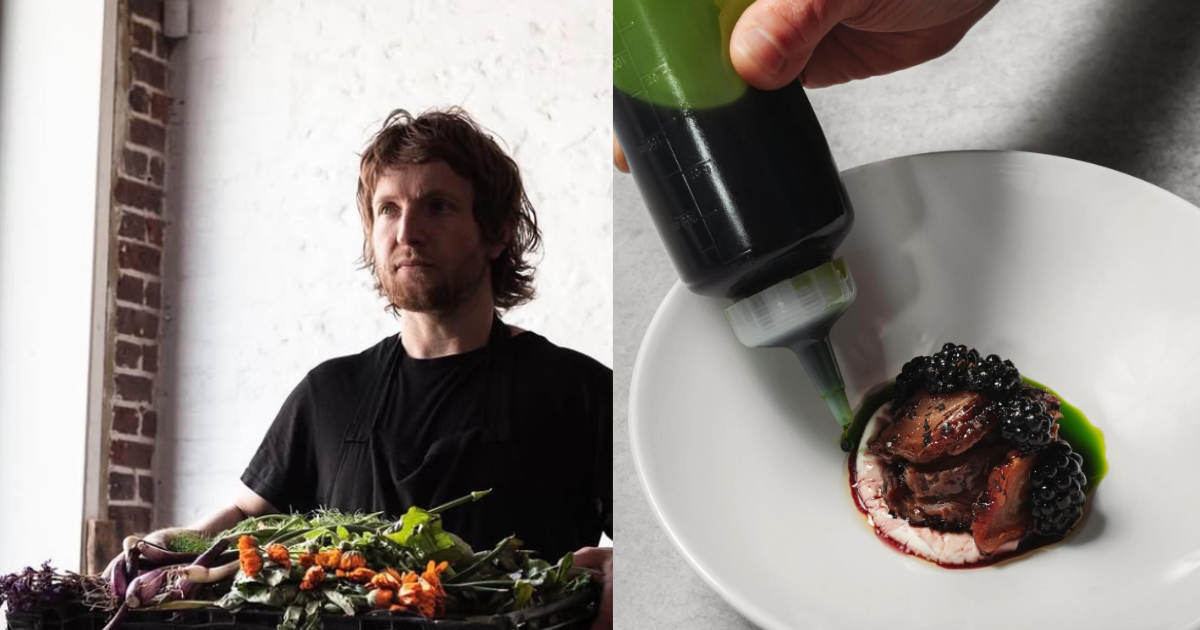
Silo is the world’s first zero-waste restaurant, founded by chef and sustainability visionary Doug McMaster.
Originally launched in Brighton in 2014, Silo is now based in Hackney Wick, East London.
Doug and his team build dishes around what’s available, not what’s expected, often working directly with farmers, millers, and foragers.
Now, the popular Michelin Green star restaurant is celebrating ten years of sustainability and service.
Read more: The Staff Canteen Live 2025: exclusive networking lunch for lightspeed
10 Years of Silo and Defying Commercial Logic
Doug said: “By some grace of some zero waste gods, we somehow managed the unimaginable - not just to survive, but to thrive through 10 years. Commercial intelligence says that if you stray too far from the commercial centre, your business won’t thrive. And we’ve strayed far. We’re not doing beer and pizza here. It’s quite a radical thing that we’ve done. To have survived, and to still be in such a strong position - it’s a bit of a miracle.”
the Chaos and Magic of Silo Brighton
He added: “What I remember most vividly about the early days of Silo in Brighton is chaos. Anarchy. Absolute creative madness. And it was brilliant. The book I wrote chronicles those formative years - five years of Brighton that were a tempest of the good, the bad, and the ugly. It was everything, all at once, and it tells a good story. Everything that could go wrong did, like nearly burning the building down in the middle of a lunch service, or making Giles Coren wait in a queue. But it was full of heart. There were zero booking nights, there was heartache, there were wars, and there was this relentless drive to try and discover a food system that didn’t really exist.
“There was no such thing as a restaurant without a bin. We were trying to make sense of something that had no blueprint. We were totally remote, totally isolated. No buoyancy. No roadmap. It was a really mad time.
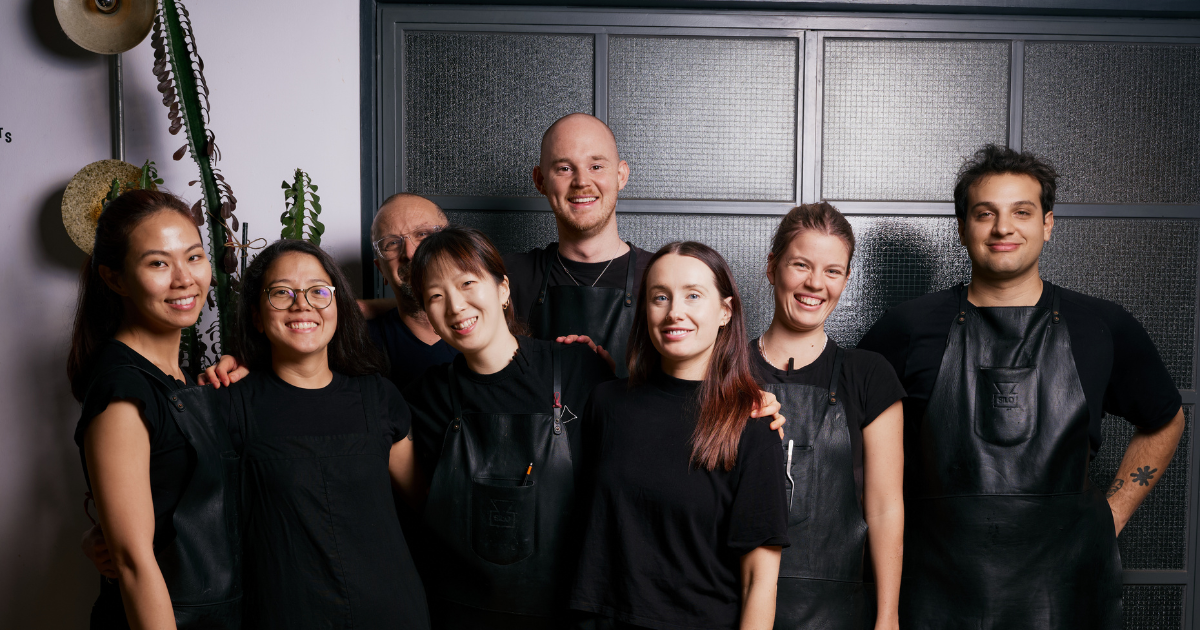
“The last five years in London have been tame in comparison, which sounds less rock ‘n’ roll, but it’s where we’ve reached levels of quality and sustainability that we only dreamed of in Brighton. Going from one restaurant to another was like resitting an exam - an exam that you sat the first time with no reading list, no idea what the questions were. And now, you sit that same exam, with experience. It’s the same 50-cover restaurant. The same 15 staff. But now you know what not to do with social media, with accounts, with leadership. You get it right. It’s good for business, it’s good for sustainability - but it’s not as colourful a story.”

Future of Silo and the Rise of the ‘Siloverse’
Silo isn’t just a restaurant - it’s the heart of what Doug calls the ‘Siloverse’,