Executive Sous Chef, Sydney Common
Allen Varghese’s career has moved through kitchens that demand very different things from a chef. At Sketch in London, under the world of Pierre Gagnaire, the standard was precision, pressure and repetition. In luxury hotels, the challenge became broader: how to protect that same level of intent while managing scale, cost, teams and consistency.
Now at Sydney Common, those experiences are starting to come together. For Allen, the story is not about choosing between restaurant discipline and hotel structure, but learning how to make both work.
Discipline and pressure
Working in Michelin-starred kitchens early in his career set a benchmark that continues to shape how Allen approaches the craft.
“The days were long, with late nights and early mornings, not just to complete the work, but to execute it flawlessly.”
At Sketch, he saw that standard up close.
“I’d watch my head chef come in every single day and prepare all the sauces himself, driven by his pursuit of perfection. That commitment to getting everything exactly right stayed with me.”
Those kitchens demanded total accountability. Missing a detail was not something absorbed by the system. It belonged to the chef responsible.
“I remember once forgetting to order pancetta for my section. My chef still expected me to go to the market, buy it, return, and complete my prep in time for service, because the responsibility was mine.”
Another lesson came through something as small as chives.
“In another restaurant in Canada, I remember being told by my chef that my chives weren’t up to standard, and from that point on I cut two bunches of chives every day for six months until I finally earned his approval.”
It is the kind of discipline that leaves a mark, but Allen is also clear that the way those lessons are communicated has had to change.
Hotels, scale and sustainability
Moving into luxury hotels introduced a different kind of complexity.
“Hotels are about striving for that same level of excellence, while balancing efficiency, labour, and managing costs without compromising quality.”
For Allen, hotel kitchens opened up a broader view of what a chef needs to understand. The food still has to be right, but so do the systems around it.
“As a chef, it’s not just about how beautiful or delicious a dish looks. It’s about execution, consistency, cost control, labour, and ultimately whether it’s something the guest is willing to pay for and genuinely wants to eat.”
One of the most influential kitchens in his career was The Torridon in Scotland, a five-star Relais & Châteaux property with a deep commitment to sustainability.
“Our ingredients came from the surrounding waters, game hunted by Dan, animals we raised ourselves, produce from the garden, and foraged goods from the nearby mountains.”
Owners Dan and Rohaise Rose-Bristow shaped the property around that philosophy. For Allen, it showed how sustainability could be embedded into luxury hospitality rather than treated as an add-on.
That thinking was reinforced later at Park Hyatt Toronto, working with Executive Chef Jonathan Williams.
“We worked closely with local farms, bringing in whole animals, beautiful produce and utilising every part, whether through charcuterie, garums, ferments, or dry aging. Nothing went to waste, and everything was made from scratch, including the pastries.”
It showed him that hotel kitchens could be structured, creative and responsible at the same time.
Adapting without lowering standards
The biggest adjustment between restaurant kitchens and hotels was not only operational. It was cultural.
“The style of communication in high-level kitchens didn’t always translate well to a hotel environment.”
In Michelin-level kitchens, communication can be fast and direct. In hotels, Allen found the approach needed to be more measured, supportive and collaborative.
That has shaped the way he now leads.
“Years in high-pressure kitchens have shaped how I choose to lead: with calm, positivity, and compassion. The work still needs to be done to a high standard, but how it’s communicated and delivered is just as important.”
At Crown Sydney, Culinary Director Sarah Briegal encouraged him to push beyond traditional hotel
expectations. That included whole-animal butchery, dry ageing, cultured butter in TWR, and scratch-made event menus for more than 300 guests.
“I’ve been fortunate to work with chefs who supported me in maintaining and elevating my standards.”
That same approach now extends into how he manages his own teams.
“I lead by example, working alongside them in the kitchen and staying closely involved in day-to-day operations. I value being hands-on and collaborative.”
Bringing it together at Sydney Common
At Sydney Common, Allen is bringing those different systems into one way of working.
Alongside sous chef Lisa Shin, the kitchen has placed a strong emphasis on sustainability, local produce and using what might otherwise be wasted.
“We’ve placed a strong emphasis on finding creative ways to utilise what might otherwise go to waste and transforming it into new dishes, misos, and ferments.”
Lisa’s approach has helped support that direction.
“She has a genuine appetite for learning and consistently strives to do her best. Her style is grounded in using local ingredients with a light touch, allowing their natural quality to shine.”
For Allen, the aim is not complexity for its own sake. It is about intention.
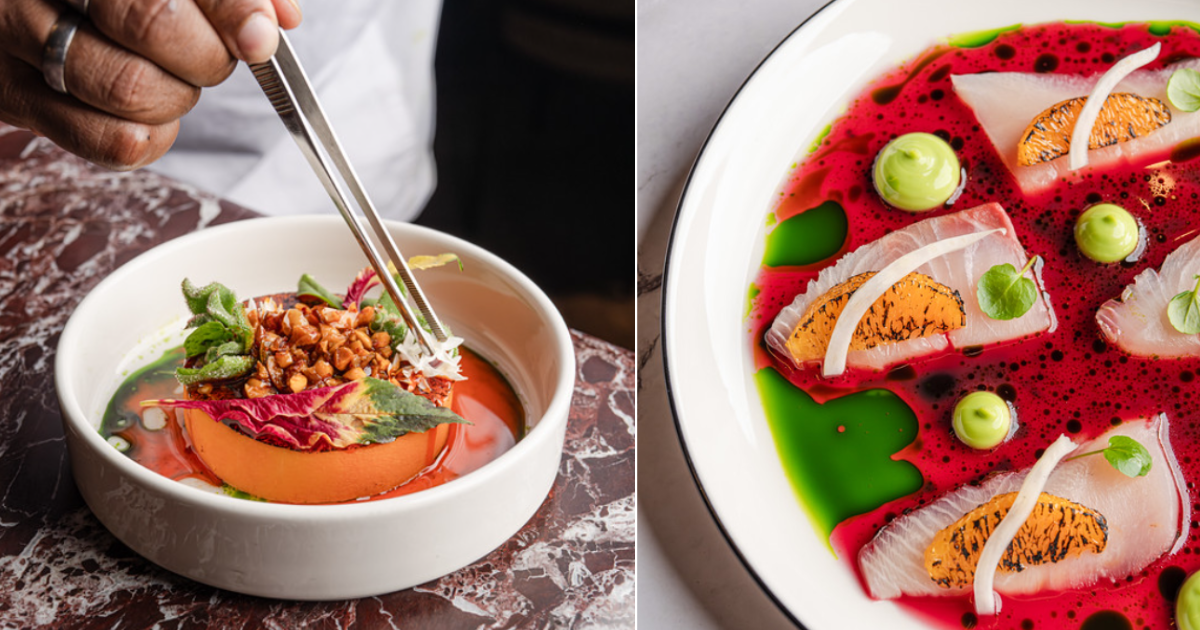
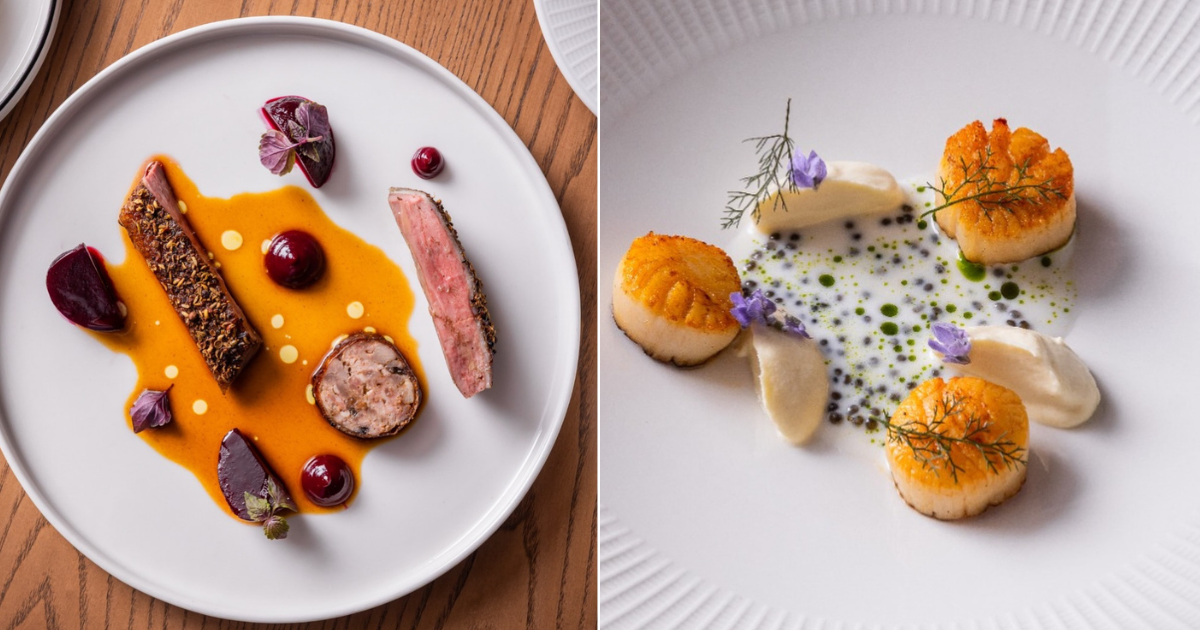
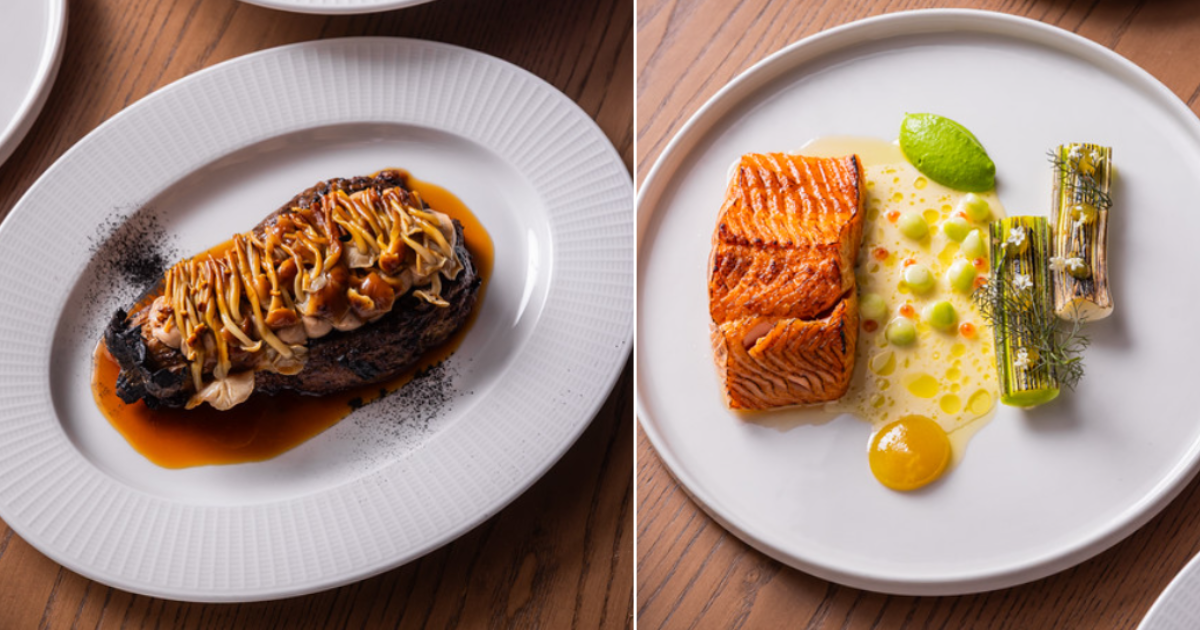
“Everything we do is intentional, and we’re committed to showcasing local Australian produce in thoughtful, creative ways throughout the hotel.”
The difference between experience and application
Allen is clear that strong experience only matters if a chef can apply it.
“Mindset is everything. Staying focused on what matters and understanding how to achieve it, step by step, makes all the difference.”
That mindset now sits at the centre of how he develops people.
“I take real pride in seeing people grow, both as individuals and as chefs, and in helping them realise that with the right mindset and clear goals, a lot is possible.”
Mentorship continues to shape him too. At Sheraton Grand Sydney, Chef Nirmal has been a key influence.
“He challenges me to be better every day by leading with consistency and following through with actions.”
Cooking with love and discipline
Across every kitchen, Allen says one thing has stayed consistent.
“Cooking with love has stayed with me throughout my life. My mum always found joy in feeding others, and that’s something I’ve carried forward.”
That sits alongside the discipline and precision built over years in demanding kitchens.
“I’m drawn to a simple approach to ingredients, but I like to present them in creative, unexpected ways that feel fresh and original.”
For Allen, the goal is not simply to carry lessons from one kitchen into another. It is to use them to shift what hotel food can be.
“I believe I’ve made a meaningful contribution to every kitchen I’ve been part of, guiding chefs on how to lead, helping them recognise their potential, and encouraging them not to settle for anything less than excellence.”
At Sydney Common, that ambition is now tied to the broader hotel environment.
“It’s incredible to watch how we can shift and elevate the culture of hotel food, one dish at a time, one chef at a time.”





