Why the Budget threatens survival of rural pubs


This week’s Budget delivered a tough blow to small hospitality businesses.
With national living wage rises, higher duties on wine and spirits, frozen VAT and no meaningful sector-specific support, rural pubs and independent operators now face sharply rising costs with little room to absorb them.
For MasterChef 2020 champion Thomas Frake, who runs The Silks in rural Wiltshire, the outcome is unavoidable: prices will have to rise again next year, even as customer spending continues to fall.
Thomas took over The Silks to revive a proper village local — a pub rooted in community, serving comfort-driven British cooking and offering the kind of warm welcome that first inspired him to pursue hospitality. But the numbers behind running a small pub are tightening at speed.
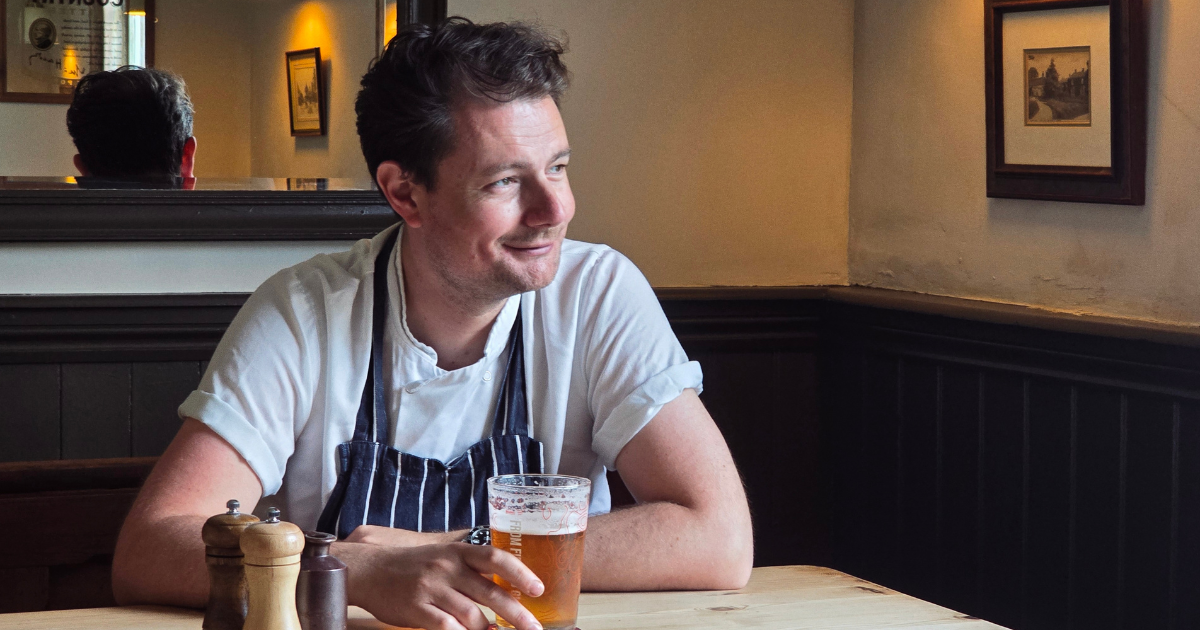
Small pubs not considered
Reacting to the chancellor’s announcements, Thomas told The Staff Canteen: “My initial reaction is that the Budget hasn’t really done anything to recognise the support hospitality needs, particularly for me in the pub trade and the kind of pub that we are.
“I am essentially a one-man band that employs 10 to 20 people, often younger. The national minimum wage increases proposed from April are going to have a significant impact on profitability.”
From April 2026, for workers aged 18-20, the minimum wage will rise from £10 per hour to £10.85.
For operators outside major towns and cities, the younger workforce is crucial — yet also the most impacted by the wage changes.
“We’re still reeling from the last Budget — the increase in national minimum wage and national insurance — and recalculating how that works,” Thomas said.
“The initial alarm for me is that this increase in national minimum wage, particularly for younger people, is a real unexpected, significant increase well above inflation.”
- Read more: What does the 2025 autumn Budget mean for UK hospitality?
- Read more: Budget business-rates cut falls 'far short' for hospitality
The problem is structural: remote village pubs do not have a huge catchment of full-time hospitality professionals. Young part-timers, students and seasonal staff keep the doors open.
“Because of the business I operate — a country pub — we rely on flexible younger staff, part-timers, school leavers, people back from university,” Thomas said.
“We don’t have an employee pool like a city. We don’t have hospitality professionals, we rely on younger staff doing part-time work.
“It’s going to have a significant impact on our costs and projections for being profitable next year.”
Margins that can’t absorb another hit
The increase in the national living wage alone creates a huge, immediate cost pressure.
“Our wage bill, on first glance, looks like it will increase by around five percent year-on-year if we apply those changes — a significant amount when you’re talking about net profit margins in and around, or even lower than, that number,” Thomas said.
“We’re going to have to offset that with price rises. There’s not a lot of wiggle room as it is.”
The Silks has already cut staffing and pushed Thomas back into the kitchen full-time.
“From the last Budget, I absorbed quite a lot of the costs. I made redundancies — we reduced headcount to compensate for national insurance and national minimum wage increases,” he said.
“I put myself back in the kitchen
— 60-to 70-hour weeks — after losing members of the kitchen team. We’re at our staffing limit. We’re actually looking for staff because we need people to do the work.”
Despite this, customer behaviour is shifting.
“I’ve pulled every lever I can within the business,” Thomas insisted.
“Now, the only thing left is increasing prices next year.
“Footfall has been up — we’ve built a reputation — but average spend year-on-year is down.
“People are struggling; they’re not spending the same amount. My fear is that raising prices again next year will reduce footfall and people will just stop coming out.”
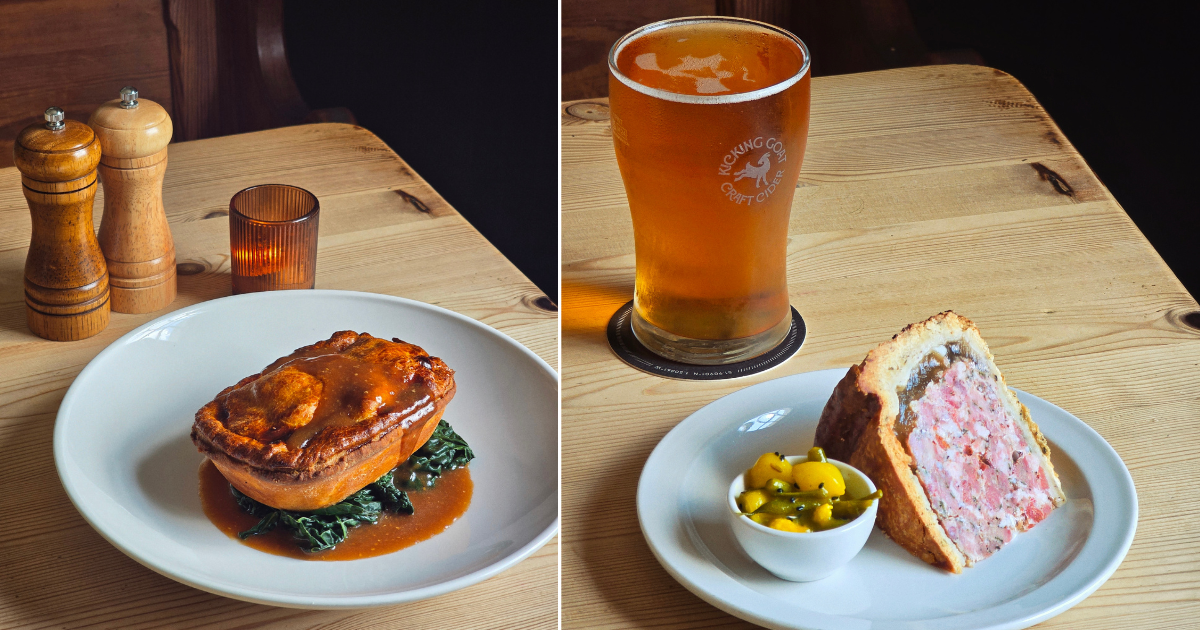
Duty cuts that don’t add up
The government pointed to duty relief on draught beer as support for pubs, but Thomas said the detail tells a different story.
“Other elements in the Budget feel tone-deaf,” he said.
“Okay, there’s been an announcement in duty on beer, but that’s immediately wiped out by the increase in duty in line with inflation on wine and spirits. So there is no real benefit to the pub trade.
“These feel like token gestures with no real understanding of how the trade works. The reality is it will result in inflation and price increases at the pump.”
The disconnect at the heart of the policy
One of the strongest points Thomas raises is the gap between political language and real hospitality operations.
The government frames wage increases as wins for workers — but in pubs like The Silks, the owner is the worker.
“Contextualising that with the Budget — the government over the last two Budgets has had an issue with this definition of workers,” he said.
“It’s easy to say business will bear the cost. But the reality is, for small pubs, small restaurants, many are owner-operated. I am working 60 to 70 hours a week. I am said worker.”
For many, the new wage floor is higher than the owner’s own pay.
Thomas explained: “With the national minimum wage increases, okay, it’s great for employees, but the likelihood of businesses failing because of this… it’s now a poor investment for me.
“It is essentially just a full-time job and I’m claiming my monthly salary, which is often below the national minimum wage.
“I’m doing it for the love of it.”
And if small pubs close, the impact is felt beyond a single owner.
“It’s my savings in this,” he added.
“There’s a disconnect in how the government defines ‘sticking up for workers’. If this business fails, that’s 15 people unemployed.”
A resilient industry — but one running out of road
Despite everything, Thomas’s resolve is unchanged.
“We’ll make it work. We’re a resilient industry,” he said.
“Even if it’s extra hours, adapting menus, pushing for better deals — we can make it work. But it is at its limit.”
His view mirrors the message from operators across the country: the quickest, cleanest support would be targeted VAT relief.
“The quickest way it needs relief is VAT,” Thomas said.
“Hospitality needs VAT relief to encourage growth and investment. If we lose country pubs and small independent restaurants, we lose a huge part of our community and culture.”
He added: “This is the second Labour budget now, and it feels like there’s absolutely no acknowledgement or consciousness about the realities of how hospitality businesses are run.”

For 18 years, The Staff Canteen has been the meeting place for chefs and hospitality professionals—your stories, your skills, your space.
Every recipe, every video, every news update exists because this community makes it possible.
We’ll never hide content behind a paywall, but we need your help to keep it free.
If The Staff Canteen has inspired you, informed you, or simply made you smile, chip in £3—less than a coffee—to keep this space thriving.
Together, we keep the industry connected. Together, we move forward.
Support Us
CONTRIBUTE
Why the Budget threatens survival of rural pubs


