Joachim Lim’s first real connection to food did not begin in a professional kitchen. It began in a Home Economics class in Singapore.
He was 14 when something clicked. A muffin came out of the oven exactly as it should have. The chocolate had melted properly, the sponge was light and moist, and the result felt bigger than the simple steps that had gone into it. Measuring, sifting, mixing and baking had produced something that just tasted right.
That moment stayed with him. It was the first time Joachim understood that when technique and ingredients are treated properly, the result can feel almost surprising. That curiosity led him towards formal training, first at Shatec Institutes in Singapore and later through Le Cordon Bleu, where he completed both cuisine and patisserie.
Those years gave him a technical base and a pathway into professional kitchens. Over time, though, his thinking around food became less about polish for its own sake and more about what a dish actually leaves behind.
Early in his career, Joachim was drawn to refinement. He loved the finer things in life and naturally imagined a future in that world. But as his experience grew, so did his understanding of what good food really means.
“Good food” does not necessarily mean fine dining, he says. For him, it simply means food that tastes genuinely delicious.
That shift matters because it sits at the centre of how he cooks now.
Simplicity with intent
Today, Joachim describes his food at Society as original, delicious food built on simplicity.
It is a short description, but it says a lot. There is classic European technique underneath it. There is also the quality of Australian produce, the pace and pressure of a major dining room, and the standards that come with cooking inside one of the country’s most established hospitality groups. But for Joachim, none of that gives him permission to overcomplicate a plate.
The dish still has to feel clear.
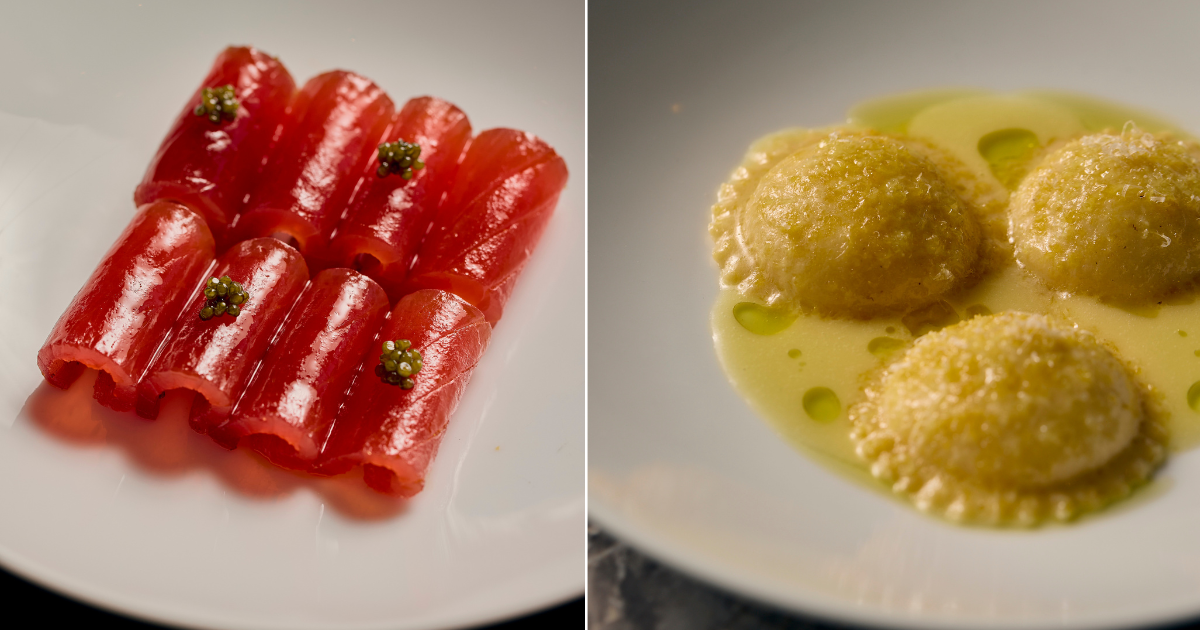
Working in Japan and developing a deeper appreciation for Japanese cuisine helped sharpen that point of view. It gave him a different perspective on restraint, balance and the importance of protecting what he calls the soul of a creation.
The fundamentals, he says, remain the same. Use quality ingredients. Taste as you cook. Do not overwork the idea. Preserve what makes the dish itself.
That way of thinking feels important in a restaurant like Society, where refinement is expected and detail matters. It stops the food from drifting into complexity for the sake of it.
More than technique alone
One of the more interesting parts of Joachim’s answers is the way he talks about feeling in food.
He points to the Asian idea of cooking from the heart, and to the belief that the personality and emotions of the cook can shape the finished dish. He connects that idea to Nobu Matsuhisa’s concept of kokoro, where the chef’s character is carried through the food.
For Joachim, recipes and fresh ingredients matter, but what matters just as much is the care behind them.
That helps explain why his answers never lean too hard on technique for its own sake. The craft matters, but it is there to support something else. A plate that feels complete. A dish that tastes right. Food that carries enough clarity and care to make a guest feel something.
He references Shannon Bennett’s line that it does not take just one chef to create a good dish. It takes many. That feels consistent with how Joachim sees the kitchen now. Not as a place for noise or ego, but as an environment where standards, teamwork and shared intent matter most.
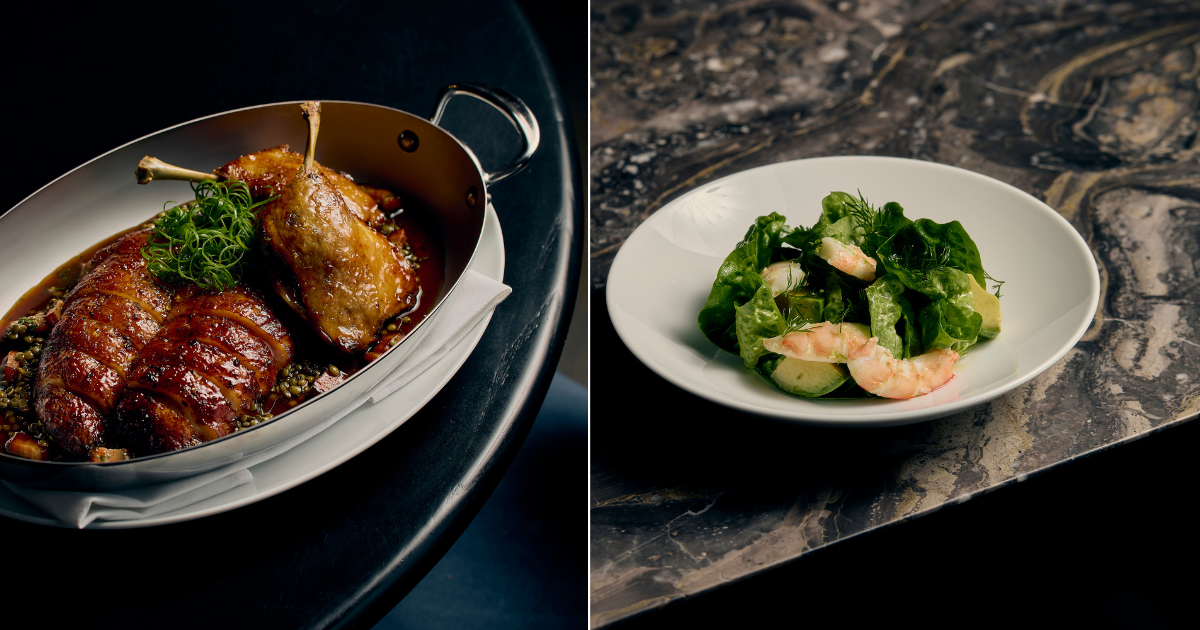
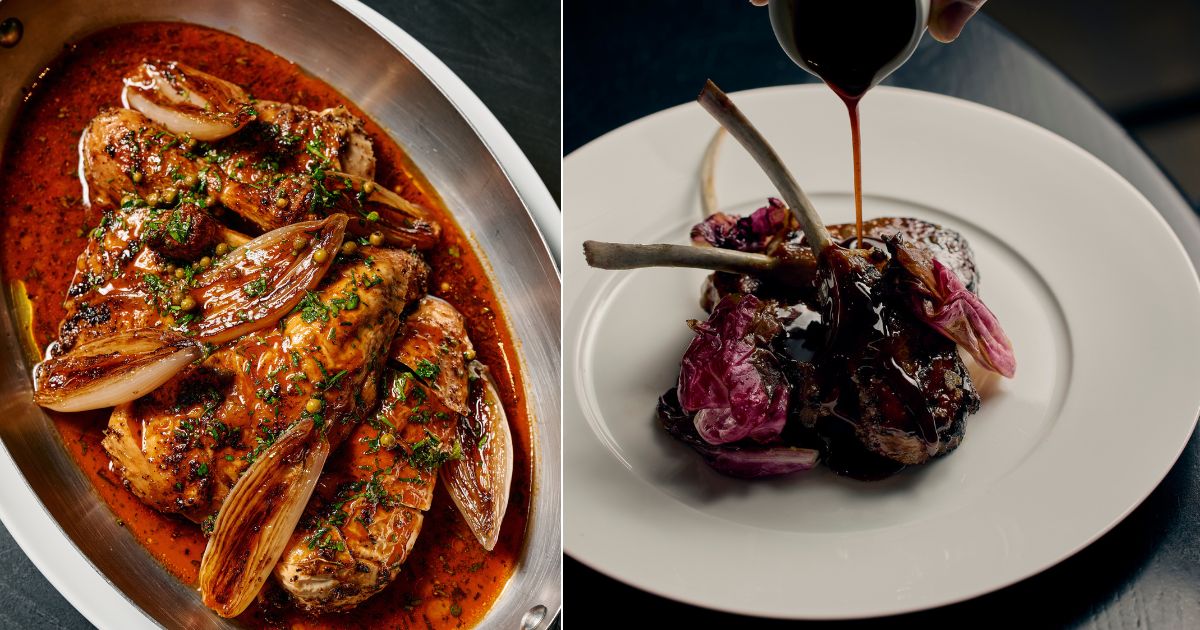
That same thinking shows up in the dishes he points to at Society. He says he is proud of the whole menu, but singles out the wood-grilled calamari and the roast pasture-raised chicken chasseur as favourites.
What matters to him is not only that they work technically. It is that they carry flavours guests can only experience in that restaurant.
That is a useful way of reading his cooking. The goal is not to produce food that could live anywhere. It is to create dishes that feel specific to the room, the standards of the kitchen and the identity of the venue.
What Society demands
Society sits inside Lucas Collective, which means Joachim is working within a large and highly structured hospitality group.
That changes the shape of the role. For Joachim, one of the biggest advantages is that support around procurement, marketing and operations allows the kitchen to focus more sharply on precision, creativity and consistency at a high level.
That does not mean the food becomes generic. If anything, it makes clarity more important.
Joachim says creativity and individuality are protected by grounding everything in a clear point of view for Society itself, empowering the team to contribute ideas and continuing to evolve the menu while the wider group provides the standards that keep it sharp.
From his point of view, what makes Society different is its sense of occasion.
It is the restaurant in the group where detail and elevation are pushed hardest across the food, the beverages and the full dining experience, while still holding onto the energy and generosity that define Lucas Collective more broadly.
That means the kitchen has to understand not only what goes on the plate, but what kind of feeling the restaurant is trying to create.
Leadership without noise
Joachim’s answers on leadership are concise, but they reveal a lot.
He says his team would probably describe him as respectful and encouraging. He wants to bring the best out of the next generation of chefs, and sees support and mentoring as a central part of the role.
That aligns with what he values when hiring too. Passion, discipline and a positive attitude come first.
They are simple qualities, but they say a lot about what he thinks strong kitchens are built on. Technique can improve. Standards can be taught. Attitude is harder to force.
Joachim also makes a good point about exposure. Young chefs, he says, need more opportunities to experience great food, inspiring people and successful businesses.
That matters because standards are often shaped by what chefs are exposed to early, what they learn to recognise as possible and what kind of environment they are allowed to grow inside.
Pressure and the details that matter
Fine dining kitchens are still intense places, and Joachim does not pretend otherwise.
He says he enjoys that pressure because it keeps him focused and pushes him to improve. At the same time, he is clear that the industry is changing. Kitchens can no longer rely on unsustainable hours and expect that alone to define seriousness. If chefs are going to do strong work over time, the environment has to support that.
That balance between pressure and sustainability feels like one of the more relevant tensions in the industry now.
Joachim also points to a harder lesson that took time to understand. For him, success often comes from managing the non-obvious details. The things that are not immediately visible, but which make all the difference.
That feels like one of the strongest ideas in the piece because it gets close to the real work of serious kitchens.
Guests may remember the room, the service or a particular dish, but so much of what makes that experience hold together happens quietly. Small decisions. Tight habits. Repetition. Details that are easy to miss until they slip.
That is often where maturity shows itself in a chef. Not only in what they create, but in what they notice, what they protect and what they refuse to let drift.
Looking ahead
Outside the restaurant, Joachim’s instincts remain tellingly simple.
At home, he cooks a lot of Japanese food, drawn to its seasonality, balance and respect for ingredients. They are principles he tries to carry into all of his cooking. He also talks about farmers’ markets, outdoor walks, exercise and meaningful conversations as ways of resetting and staying inspired.
Looking ahead, he says he wants a sustainable career that allows him to keep doing what he loves while spending time with his family.
There is also a quieter future thread underneath that. His Singaporean roots remain close, and he says he would like to explore them more deeply one day.
For now, the clearest picture of Joachim Lim comes through in the values he keeps returning to. Honour the ingredient. Keep the dish clear. Preserve its soul. Make food that tastes genuinely delicious.
In an industry that can often reward noise, Joachim’s cooking seems guided by something more measured: simplicity, discipline and the confidence to let a dish say what it needs to say without overworking it.





