Saint Peter is one of Australia’s most closely watched seafood restaurants because of what happens before a dish reaches the table
Every fish is assessed, butchered, aged and used with a level of detail that has helped change how chefs think about seafood. For head chef Joe Greenwood, leading the kitchen means balancing that technical precision with the reality of running a brigade across 18 services a week.
Before arriving in Sydney, Joe spent five years working under Nathan Outlaw, first at The Capital before progressing through the two Michelin-starred Restaurant Nathan Outlaw, where he reached Senior Chef de Partie. He also spent time at the two Michelin-starred Whatley Manor under Niall Keating.
Those kitchens shaped the foundations of how he cooks today, but just as importantly, how he thinks about leadership.
“That period laid the foundation for my cookery, but equally gave me a strong understanding of how to run a small business and create a culture within a kitchen,” Joe says.
The discipline behind the daily menu
At Saint Peter, the menu does not begin with a fixed idea of what a dish should be.
It starts with the fish.
Each morning, Joe reviews what has come into the kitchen, where each fish sits in the ageing process and what vegetables have arrived from the farm. From there, the menu is adjusted around the condition of the product.
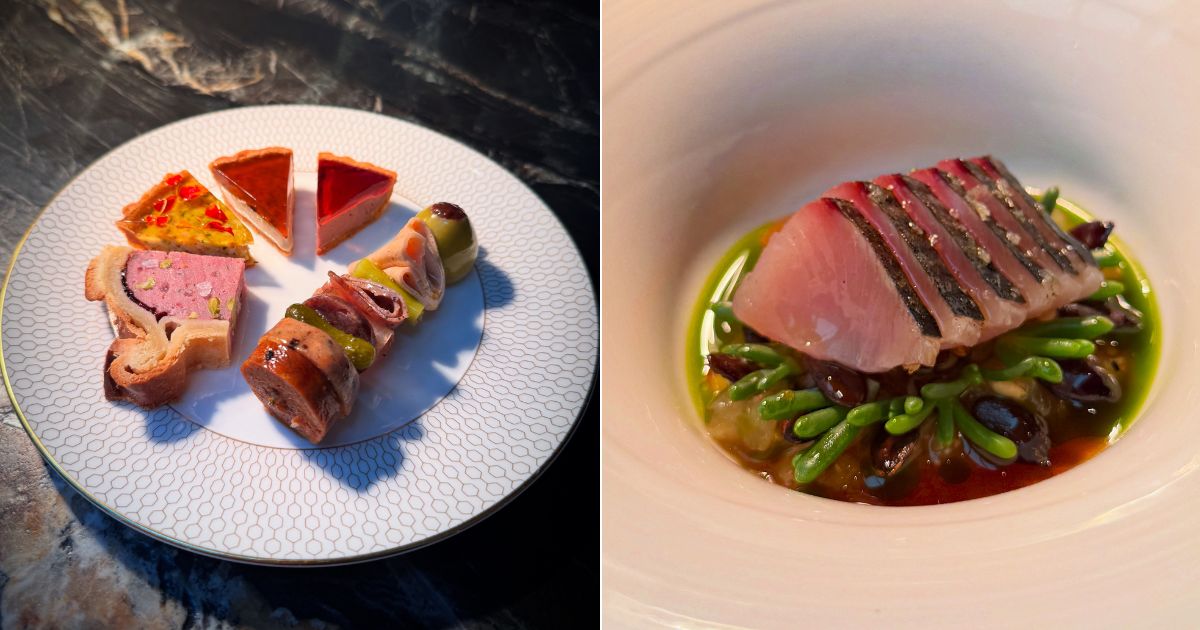
“Day to day, my role is making sure the kitchen runs as it should, working hand in hand with Josh,” he says.
“This includes reviewing the fish available to us each morning and checking what vegetables we have received from the farm. I would then tweak or change the menus accordingly.”
That ability to adapt is central to how Saint Peter operates. The restaurant’s approach is not about using seafood as a premium centrepiece, but understanding the whole fish and knowing when each part is at its best.
“Our focus at Saint Peter is on utilising as much as possible from a single fish,” Joe says.
“This work begins at the fish butchery, where the fish are received, and the butchering and ageing process starts. The way menus are written is based on dishes created from fish at its optimal point through ageing, when the fish is at its absolute peak for flavour.”
The philosophy is direct, but the execution is anything but simple. It requires a kitchen that understands species, yield, timing, ageing and the constant shifts that come with working so closely to the product.
Why fish butchery still matters
For Joe, fish butchery is not a specialist skill that should sit outside the kitchen.
It is the starting point.
“I believe all young chefs should have the skill of fish butchery,” he says.
“It is a technical skill that is often outsourced, but it is the foundation of what we do. Understanding where the fish comes from and how it is processed is essential before moving into more complex work.”
That point sits at the heart of Saint Peter’s kitchen. Before creativity, before technique and before service, there is a responsibility to understand what has arrived through the door.
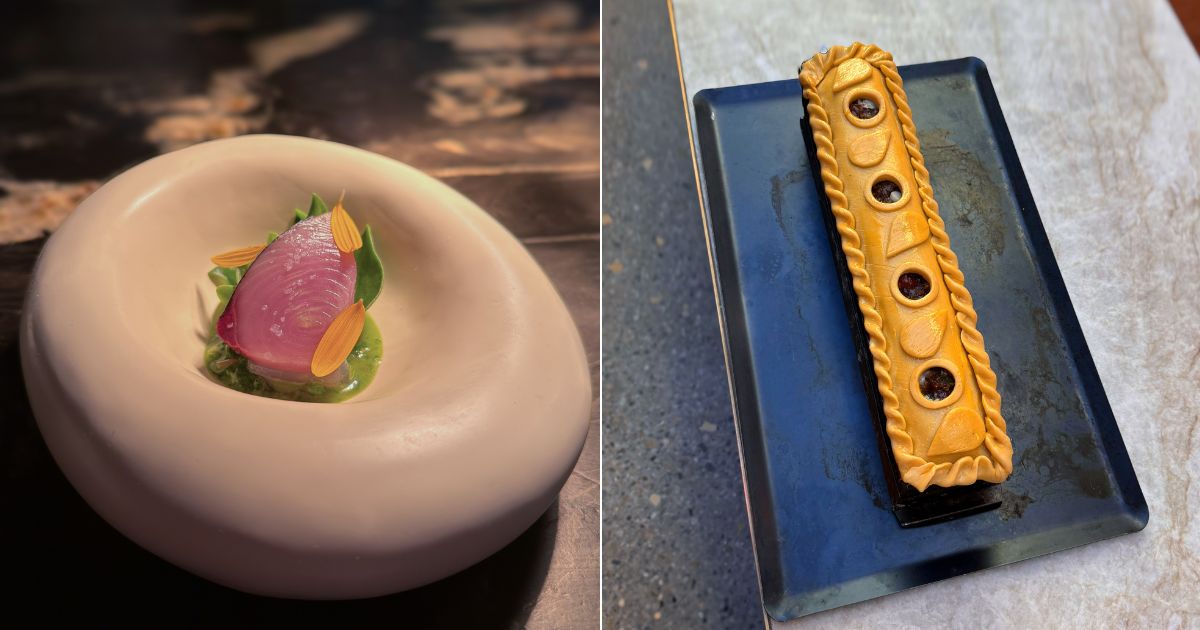
Joe talks about ingredients with a clear sense of respect for the work that has already happened before they reach the kitchen. The fisher, the grower, the producer and the delivery are all part of the same chain.
“We are lucky, it’s always been Josh’s way to work with Australia’s finest ingredients,” he says.
“You have to respect the incredible species of fish we deal with and the care and consideration from catch to delivery. That’s why it’s unnatural to discard any part of it.”
That thinking extends beyond fish.
“The plan with fish is always changing. It’s the same with fruit, veg, native ingredients, dairy, whatever we receive has been grown, nurtured and transported with such care and precision,” he says.
“We are part of a chain, and understanding that is the motivation to deliver the best you can.”
Systems that hold the kitchen together
Saint Peter may be built around constant movement, but the kitchen is not loose.
The menu changes. The fish changes. The best use of each ingredient changes. But underneath that is a tightly managed structure that allows the restaurant to keep evolving without losing control.
“Systems and consistency are a huge part of any restaurant,” Joe says.
“Even though the menus change frequently and we are always trying to improve what we do, the backbone of the day-to-day remains the same. Everything is driven by prep deadlines.”
For Joe, prep deadlines are not just about getting through a list. They are how the kitchen protects standards.
“Setting and maintaining those deadlines means we maintain standards,” he says.
That structure also includes making sure the team has time to stop.
“Those standards also include ensuring the whole team has time to take breaks and to stop to eat breakfast and dinner.”
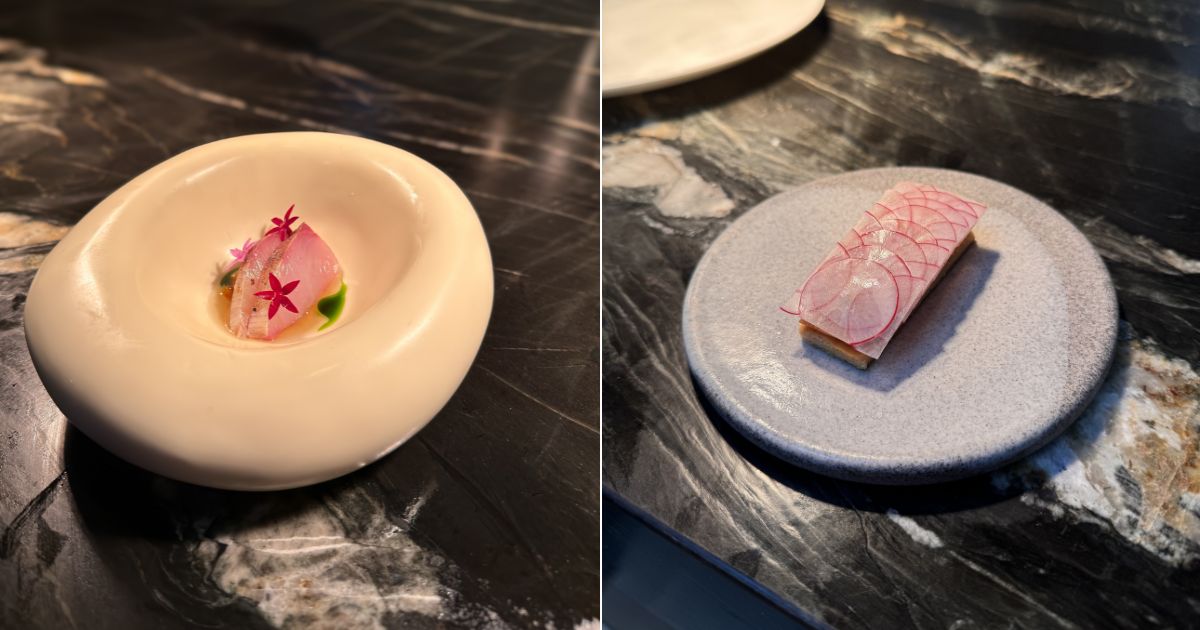
It is a small detail, but an important one. In a kitchen with this level of expectation, culture is not separate from performance. It is part of how the restaurant functions.
Building chefs, not just dishes
Joe leads a kitchen of 24 chefs across seven days and 18 services.
That scale brings pressure, but it also creates an environment where development matters. For him, leadership is not just about enforcing standards. It is about understanding the people inside the brigade.
“Leading a team requires strong people-reading skills,” he says.
“We operate with a team of 24 chefs across a seven-day week, running 18 services. The culture of the team is the priority. And one of the main reasons I am here.”
Joe credits the culture created by Josh and Julie Niland as one of the reasons the restaurant works at the level it does.
“The people-first attitude that Josh and Julie have created since the beginning aligns with my own ethics and values as a chef.”
In a kitchen built around technical detail, it would be easy for training to become purely skills-based. But Joe believes the thinking has to come first.
“While we work to very high standards, the focus is always on building people up,” he says.
“Teaching the ethos of what we do and why we do it comes first. From there, technique becomes much easier to pass on, as the team understands the thinking behind it.”
That approach is visible in the senior structure of the kitchen.
“We now have five senior chefs in the kitchen who all started as CDPs and worked their way up.”
Managing expectation at a three-hatted restaurant
The pressure of cooking at Saint Peter does not only come from the food.
It comes from expectation.
“There is always pressure in running a kitchen, especially when guests’ expectations are high for a three-hatted venue,” Joe says.
“We aim to exceed those expectations. We have a saying that guests arrive at a 10 out of 10, and from there, we have to do everything we can to go beyond that.”
For Joe, that does not mean overwhelming every guest with information. It means understanding what kind of experience each table wants.
“That includes everything from the welcome to how we seat guests, and especially how we communicate what we do,” he says.
“We give as much or as little information about our dishes and beverages as the guests request. It is actually a curated experience; some people have travelled to Saint Peter and want to know every single element of what they are eating, while others are regulars just sharing an evening with friends.”
That level of service relies heavily on the front-of-house team.
“The Front of House is incredible at reading a table’s needs. The goal is to create a service that is friendly, informative and enjoyable.”
Whole fish cooking beyond the obvious
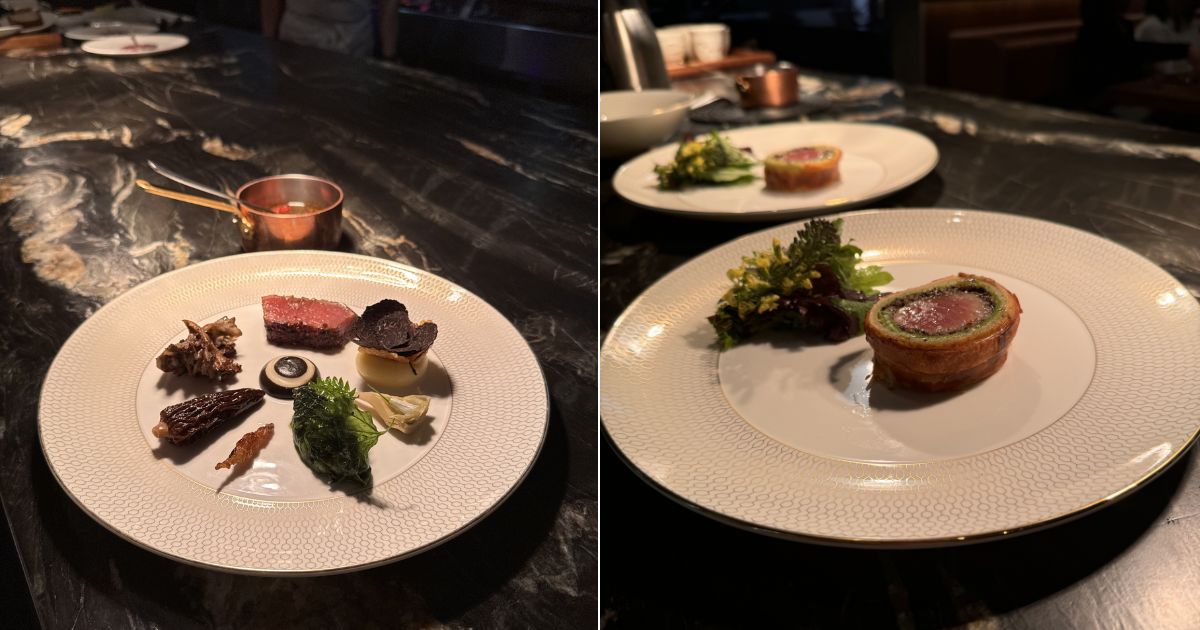
One of the clearest examples of Saint Peter’s approach is its fish charcuterie.
For many chefs, whole fish cooking might still mean using more of the fillet, bones or head. At Saint Peter, the thinking goes further, applying techniques more often associated with meat to secondary cuts of fish.
“One of the biggest surprises for chefs is charcuterie,” Joe says.
“This is made entirely from secondary cuts of fish. In the same way a butcher uses by-products to create sausages, pâtés and pies, we do the same.”
The charcuterie selection can include up to 18 different styles, using different species and techniques.
“It’s fascinating watching people react, disputing whether the chorizo or pâté is actually made from fish, which, of course, it is.”
It is a good example of how the restaurant challenges expectation without losing sight of flavour. The idea may be technical, but the purpose remains simple: make something delicious from a part of the fish that might otherwise be overlooked.
How seafood cookery is changing
Joe has spent enough time in seafood-focused kitchens to see how much the conversation has shifted.
“There has definitely been a shift in how the industry works with seafood since Josh opened Saint Peter,” he says.
“From when I started with Nathan Outlaw to now, I have seen a wide range of changes.”
Dry processing and dry ageing are two of the clearest examples. Once less common, Joe now sees both used more widely across restaurants. He has also noticed changes further up the supply chain.
“Dry processing and dry ageing, once less common, are now common in many restaurants,” he says.
“And the most interesting thing is watching the change in fishmongers. Some may still use ice, but do not rest the fish in it; instead, place them on dry trays. I think there is a general acceptance and understanding that you can’t ignore.”
Despite that progress, Joe does not speak about Saint Peter’s approach as something finished. The restaurant continues to question and refine how it works.
“Working at Saint Peter over the last five years has taught me an enormous amount, and these are practices we still constantly question and refine.”
The biggest lesson has been understanding the product in full.
“One of the most enjoyable lessons for me is the dedication to knowing the producer, understanding who caught the fish, when, where and how,” he says.
“From there, it is about understanding the product itself. Each species needs to be treated differently, from how it is broken down to how it is cooked. These are things we continue to evolve every day.”
For young chefs wanting to get better at seafood, Joe’s advice is direct.
“Do it and don’t overcomplicate it,” he says.
“Fish is not a cheap product, but if you are going to cook it, you should aim to buy the best quality you can within your budget. There are so many species available that will not break the bank.”
“Start there. Research, read the books, watch the videos, ask the questions and just start.”
Looking ahead, he believes the responsible use of wild-caught seafood will only become more important as produce costs rise and fishing laws continue to change in Australia.
For Joe, that makes the Saint Peter philosophy feel less like a technique and more like a responsibility.
Using the fish properly is not just about creativity. It is about understanding the value of what has been caught, who handled it before it reached the kitchen, and what it takes to make every part count.





