Luka Coyne is a Sydney-trained chef now head chef at Soso's New York, carrying modern Australian cooking into one of the most demanding dining cities in the world.
His work is shaped by discipline, strong foundations and a refusal to chase trends, focusing instead on flavour, instinct and respect for craft.
Early foundations
The move to New York was not part of a long-term plan. It came together in barely three weeks.
At the time, Luka was bouncing between Porcine Bistro and Bistro 916 in Sydney, waiting for Mister Grotto to open. Like many local projects, delays stretched on. He was ready to go, but stuck in limbo. To reset, he booked a working holiday to London, hoping distance would help sharpen his focus.
Then a message landed.
Paul Donnelly from Tuxedo Hospitality had reached out more than once. Luka admits he ignored it at first, thinking it was spam. When another message came through, he finally replied. He asked around with close friends who had worked with Paul or knew him from Ms G’s. The feedback was consistent. Straightforward operator. Clear standards. Strong reputation.
Their first proper conversation moved quickly. The vision was clear. The expectations were clear. Then came the invitation to visit New York and see the city for himself.
London was scrapped. Eight days later, Luka was eating his way through New York, meeting people, absorbing the pace and pressure of the city. When it came time to cook, the nerves hit. A full tasting. Owners in the room. Heavyweights from New York hospitality. Real stakes.
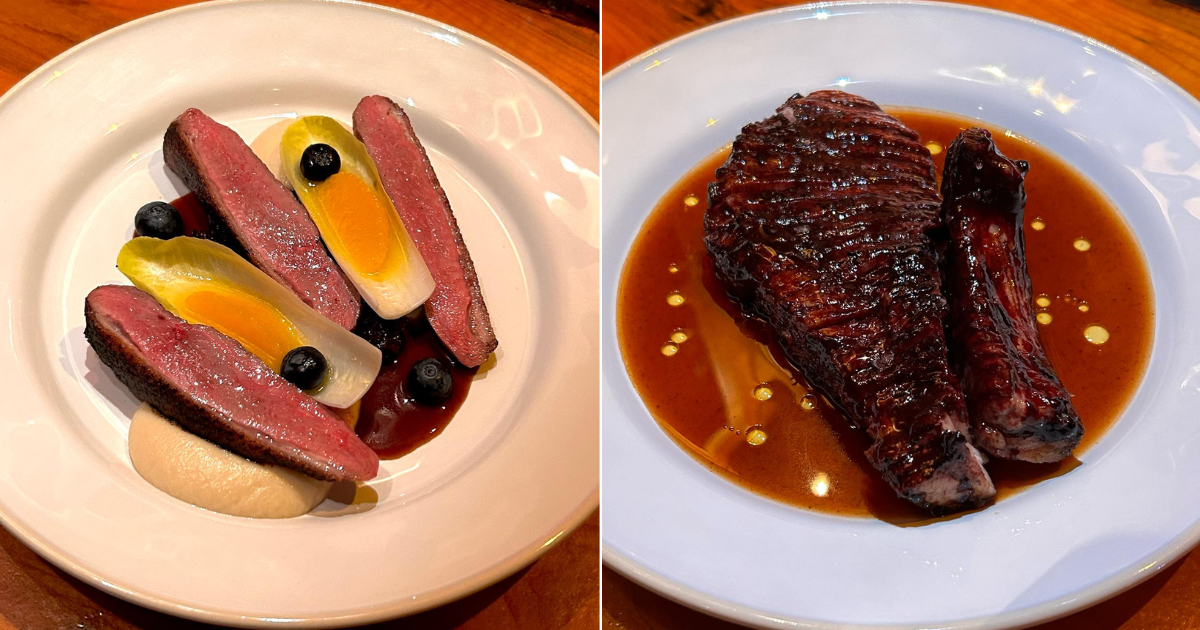
Once the first dishes landed and the response came back positive, the decision made itself. He took the job.
What followed was intense. Luka was briefing teams back home, starting visa paperwork, packing up his life, working full-time, writing menus, hiring staff, planning a kitchen, finding accommodation and preparing to open a venue, all at once. Service would finish, then hours of admin would follow across time zones.
It was exhausting. It was worth it.
Finding a voice
Stepping into a New York kitchen was a shock.
The produce was different. The seasons were different. Suppliers, palates and expectations shifted overnight. Even the imperial system took adjustment. But the biggest difference was structural.
In Australia and Europe, chefs are shaped through apprenticeships, culinary schools and long development pathways. In the US, many cooks come up as line cooks. Fast. Short-order focused. Efficient. The system is built around that reality.
Opening a full à la carte restaurant inside that system is demanding. Doing it with a multilingual brigade adds another layer. Teaching cooks to move from short-order repetition into full à la minute service, while fully booked, requires patience and precision.
Skill sets vary widely. Many cooks have not cooked extensively from scratch. Mise en place is often narrower. Product-driven cooking takes time to embed. Full à la carte service tests everyone.
New York does not pause while you figure it out. Drop standards and the city moves on.
What surprised Luka most was the growth. More than half his team have been there since day one. The development he has seen across skill, discipline and confidence has been consistent and deeply motivating.
They show up daily. They push. They care. Watching that progress has reshaped how Luka leads. It pushes him to be better, clearer and more demanding of himself.
Technique, philosophy and clarity
Luka’s cooking philosophy was forged early in Australia.
He began his career at Berowra Waters Inn under Brian Geraghty, fresh back from London after working at Pied à Terre. The kitchen was intense and technically demanding. Luka describes himself at the time as trying to survive each service without blowing sections.
That kitchen taught him how to graft. Long days. Lunch and dinner. Relentless repetition. It built the work ethic that still underpins how he operates.
After completing his apprenticeship, Luka moved to Tetsuya’s. Where Berowra had been about stamina and survival, Tetsuya’s was super intense and constantly evolving. Large brigades, massive services and relentless refinement demanded total focus. It sharpened his discipline, his awareness and his respect for precision.
Those two kitchens remain his strongest influences. French technique. Japanese precision. Big flavour handled with control. Respect for tradition without being stuck in it.
Later roles with Clayton Wells at Automata, Federico Zanettello, Michael Clift and Peps at Bistro 916, and Nik Hill at Porcine Bistro rounded out his approach. Fine dining discipline met à la carte rhythm. That balance now defines how he cooks.
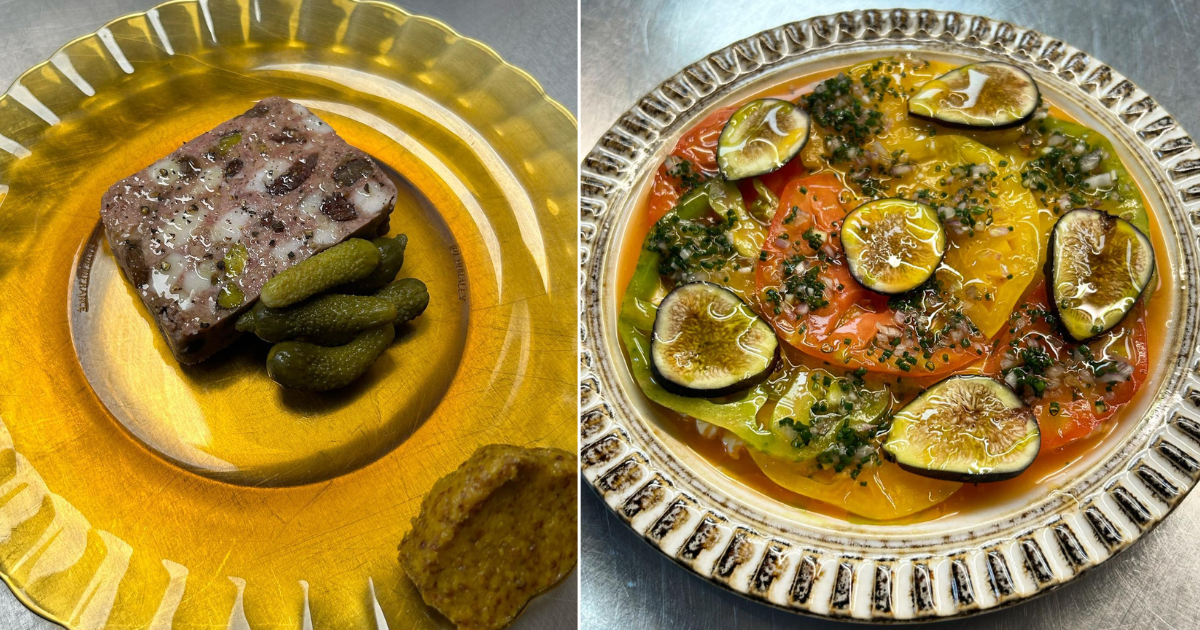
In New York, Luka avoids chasing trends. He cooks what he wants to eat. Modern Australian food, hyper-seasonal, fresh and instinctive. He believes if something works, it does not need reinvention. Craft matters. Technique matters. Flavour comes first.
Access to new produce keeps him evolving, but the foundation stays intact.
Leading a modern kitchen
Leadership in New York demands clarity.
Brigades move fast. Expectations are high. There is little room for ambiguity. Luka leads by setting standards early and backing his team to meet them.
He believes development comes from trust and repetition. Cooks need time on the tools. They need to understand why things are done a certain way. Short-order habits take time to unlearn. À la carte cooking demands awareness, feel and control.
Seeing his team develop has been one of the most rewarding parts of the move. Skill, confidence and pride have grown in parallel. That growth has reinforced Luka’s belief that strong kitchens are built, not rushed.
His approach remains grounded in Australian values. Hard work. Direct communication. Willingness to have a crack. He believes that attitude travels well overseas.
The next chapter
Working in New York has sharpened Luka’s sense of identity as an Australian chef.
At first, he was unsure how tightly to lean into the label. Over time, it became natural. New Yorkers already understand Japanese and French food. Modern Australian cooking sits comfortably between those worlds, shaped by multicultural influence and instinctive flavour.
Being based overseas has given Luka a platform to represent Australian cooking more clearly than ever before. That responsibility deepened when he became the New York City and East Coast ambassador for Meat and Livestock Australia.
In practice, that means sourcing Australian produce whenever it genuinely represents premium quality. Not as a gimmick. As a statement of belief in the product. Diners have responded with curiosity and enthusiasm.
Despite the energy of New York, there are things he misses. Australian seafood. Local suppliers. The looseness of modern Australian kitchens. The freedom to push boundaries. Diners who are open to trying something unfamiliar.
Looking ahead, Luka sees New York as a defining chapter. The city is transient and demanding. Everyone is pushing forward. For him, it is less about noise and more about clarity.
New York is shaping who he is as a cook and as a person. It has given him a sharper voice, a broader perspective and a global stage. For now, he is focused on cooking with intent, leading his team properly and carrying Australian cooking forward with confidence.





