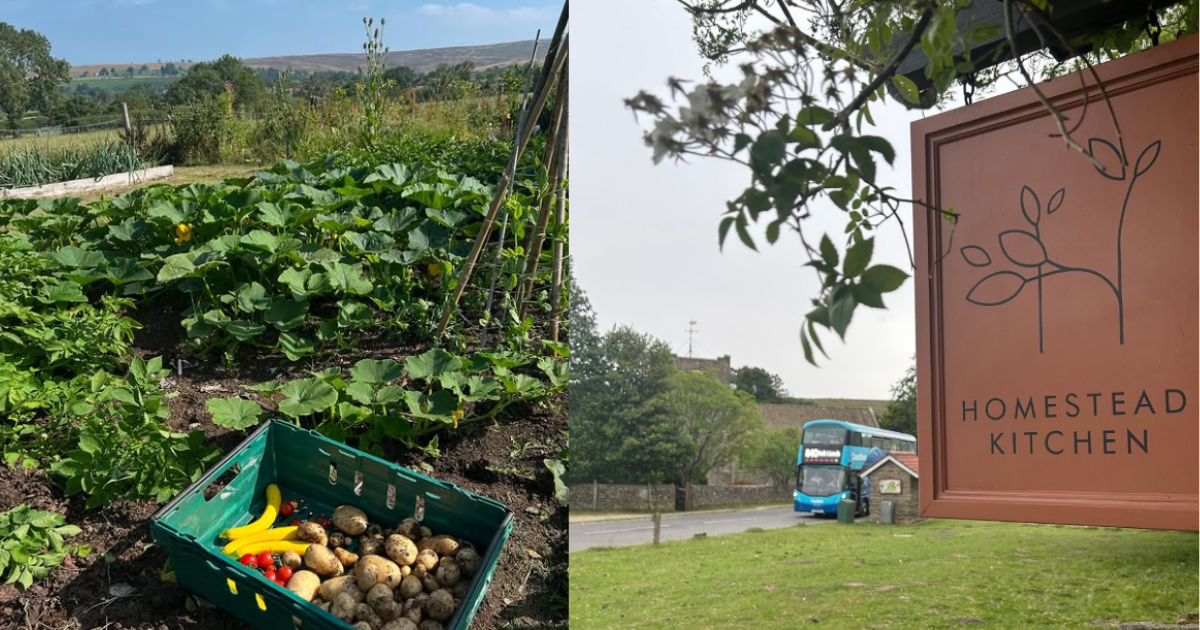
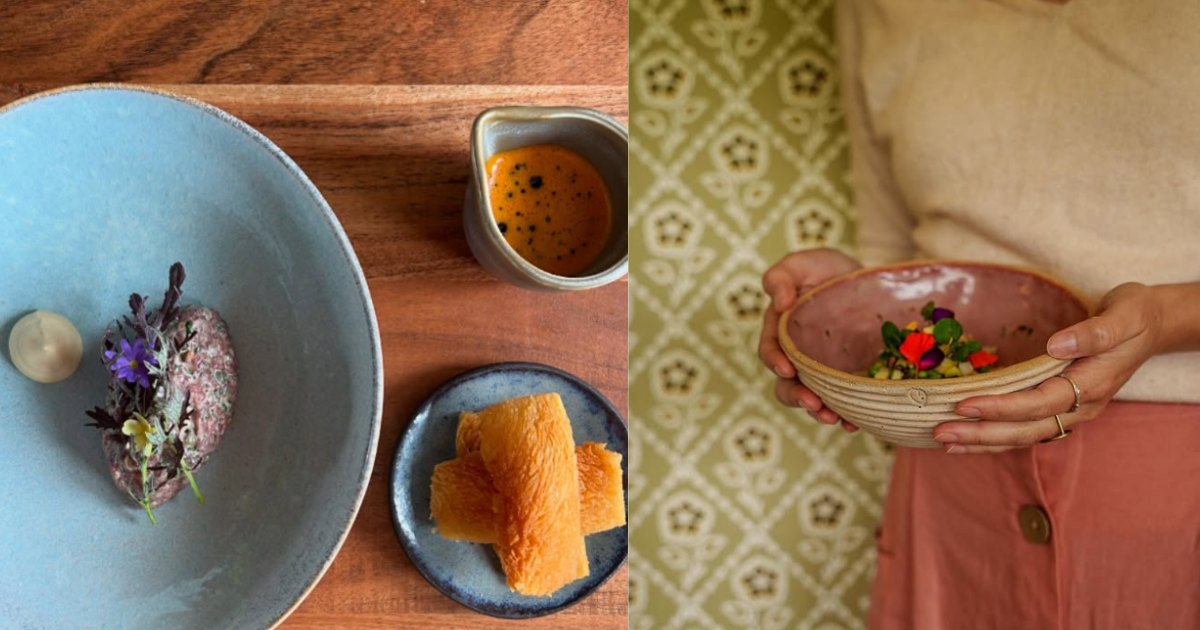
system, creating compost that feeds our garden. From what was just essentially a back garden when we bought the property, we are really proud of how we have utilised the space to maximise growing potential, and also admiring what this means for the local wildlife. We’ve found creative ways to repurpose everything from corks to candles to old menus - many of which end up as art projects for our children. These daily, thoughtful choices form the backbone of our sustainability mission.”
Balancing Principles with Practicality
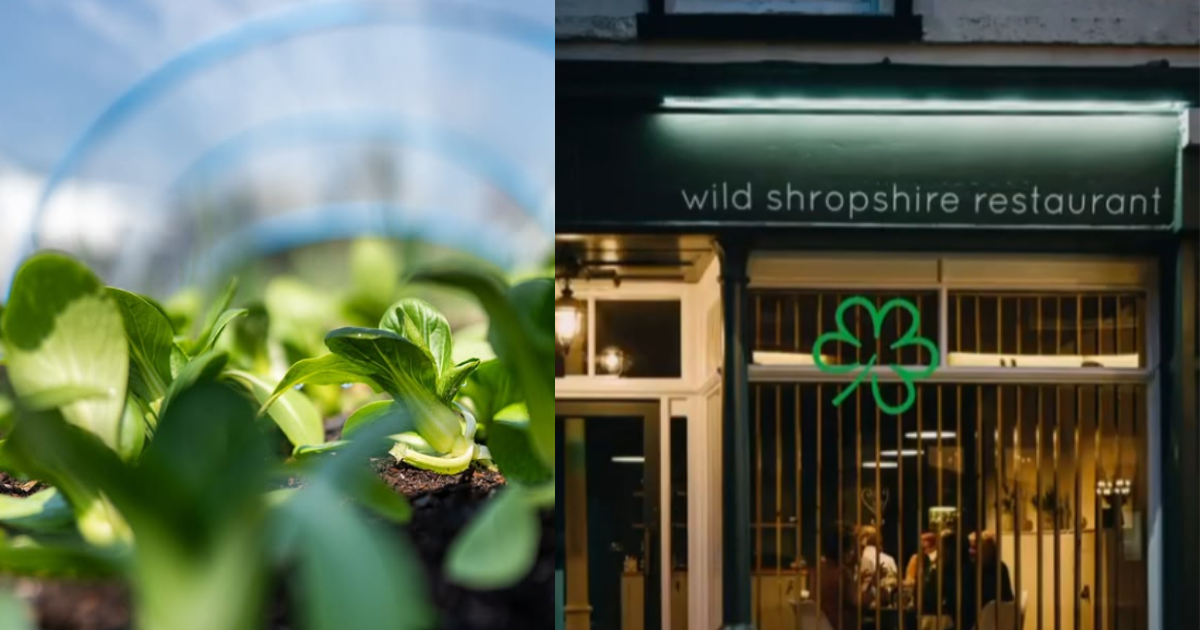
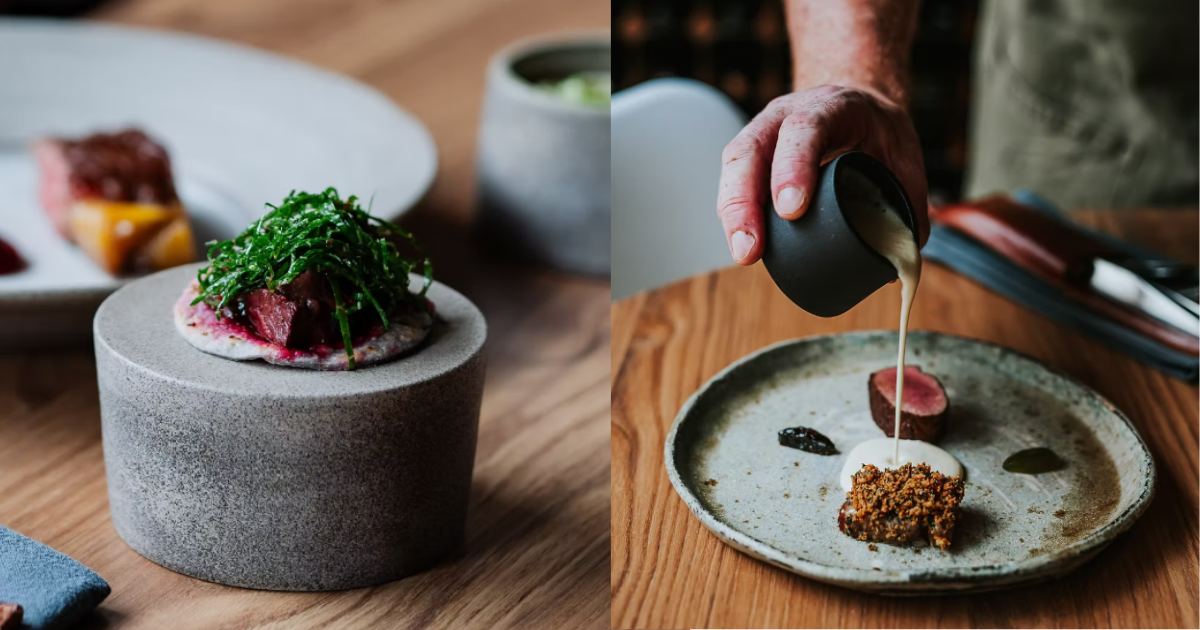
For Wild Shropshire, sustainability is managed by dividing responsibility among the team.
James added: “Essentially we've assigned different aspects of it to a different member of staff. Our bookings manager deals with locations, my sous chef deals with the waste side of things - like weighing our rubbish - and I pick up the rest.”
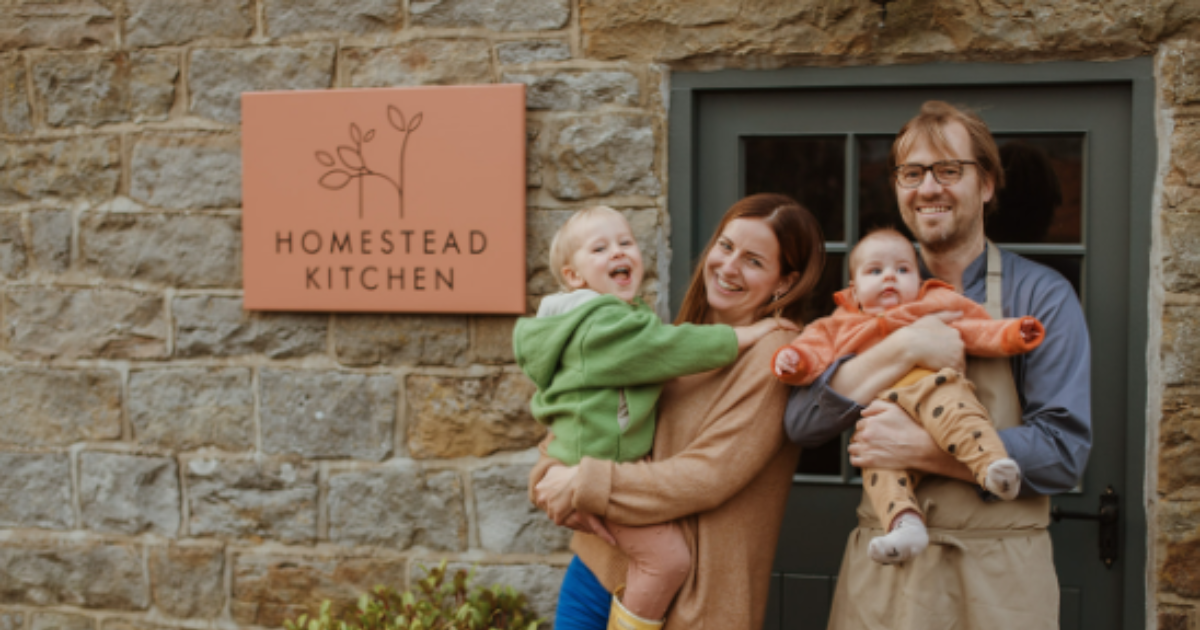
At Homestead Kitchen, the approach is to make sustainability part of the rhythm of service rather than an extra task.
Cecily added: “By making it part of the rhythm, not an extra task. Menus are flexible and seasonal, which keeps us nimble. Our kitchen garden provides what it can, and when something isn’t available, we let that guide our creativity. It takes discipline to avoid shortcuts like imported produce or single-use plastics, but when the whole team shares the ‘why,’ it feels natural. Over time, sustainability has become second nature.”
Benefits, Challenges and Lessons Learned
Both restaurants agree that sustainability has brought benefits, whether creative, operational, or financial, but neither shy away from the challenges. At Wild Shropshire, the difficulty has been in finding a path without guidance.
James said: “I think the hardest part is that there's no roadmap or guide to becoming sustainable - or trying to. It felt to me that we were very much on our own initially, it almost needs some of the chefs that are leading the way to put together a guide. I wonder how many people have been put off by the scale of what is needed sometimes.”
At Homestead Kitchen, the challenges are more practical, from managing multiple small suppliers to keeping up with recycling and laundry.
Cecily said: “Having certain principles at the heart of everything does mean that some things take more time. We aren't just placing big orders with a few suppliers, each week we have to curate what we need from lots of producers and keep in touch with what they have available and when, and how that impacts menus. Sorting and organising all the recycling to get it where it needs to be is quite a big weekly job, thankfully our children are at the age (4 and 6) where they love to be involved and help!"
The lessons along the way have been profound. Wild Shropshire admits that perfect sustainability is impossible, but that progress matters.
James added: “As much as we try to be sustainable ultimately we can't be, there's always a process somewhere that we can’t control or offset. I suppose as long as you do what you can then it's a start.”
Homestead Kitchen echoes that sentiment, stressing the importance of small, consistent actions.
Cecily added: “That sustainability is a journey, not a destination. It’s about small, consistent decisions - washing linens in-house and line-drying them, returning soft plastics to the Co-op, or hosting a social walk that ends with a shared meal. We’ve learned that transparency builds trust, and that creativity often comes from constraints. Perhaps most importantly, we’ve learned that caring for people - our team, our community, our guests - is just as essential as caring for the planet.”
Looking Ahead
Looking ahead, both restaurants see the Green Star as motivation rather than a finish line. At Wild Shropshire, sustainability remains central but the team recognises the need for a space that can fully support their ambitions.
James explained: “I feel like we've gone as far as we can in our current location, I think the next step is a fit-for-purpose building, something that really fits what we're trying to achieve.”
At Homestead Kitchen, the award has inspired them to expand their projects even further.
Cecily explained: “It has inspired us to keep going and dream bigger. It reinforces our belief that a restaurant can be more than a place to eat - it can be a hub for creativity, wellbeing, and resilience. The Green Star challenges us to keep evolving, whether that’s deepening our self-sufficiency, expanding community projects, or setting higher standards in sourcing and waste. Next year we will be taking on the lease for a field in our village, which is going to massively increase our capacity for growing which we are really excited about."
written by abi kinsella