Paul Farag, executive chef of AALIA in Sydney, cooks with deep research, bold flavour and a drive to challenge assumptions about Middle Eastern food. His menu is built on history, instinct and a belief that technique and culture can evolve together.
Early foundations
Paul entered kitchens at fifteen and learned fast that restaurants were full of characters, noise and energy. Those first months shaped how he saw the craft. He worked in a Thai restaurant after school and discovered he liked the opposite rhythm to everyone else. While his friends relaxed, he thrived in a world that demanded focus and speed.
His Egyptian background introduced him to the flavours that would later anchor his cooking. Growing up with dishes like slow cooked eggplant and coconut basbusa gave him an early sense of comfort and memory, although he avoided being typecast as a Middle Eastern chef for many years. As he grew older, he started to rethink what he wanted from his cooking life and became more open to exploring his own culture.
Working across Australia and Europe sharpened his technique. London kitchens were a shock. He thought he was skilled until he saw younger cooks move faster and work cleaner. That realisation sparked a new level of drive that he carried back to Sydney.
"Those early weeks made me understand I had more to learn. It pushed me to come home and work harder."
Paul’s mentors also shaped him in different ways. Colin Fassnidge taught him to cook by feel and trust his senses. Brent Savage brought a more scientific and structured approach to his cooking. Opening Fish Butchery with Josh Nyland added a completely new skill set. Each move forced him to rethink what he knew.
"Every job I have ever taken has made my life harder. I wanted to learn something new every time."
Finding a voice
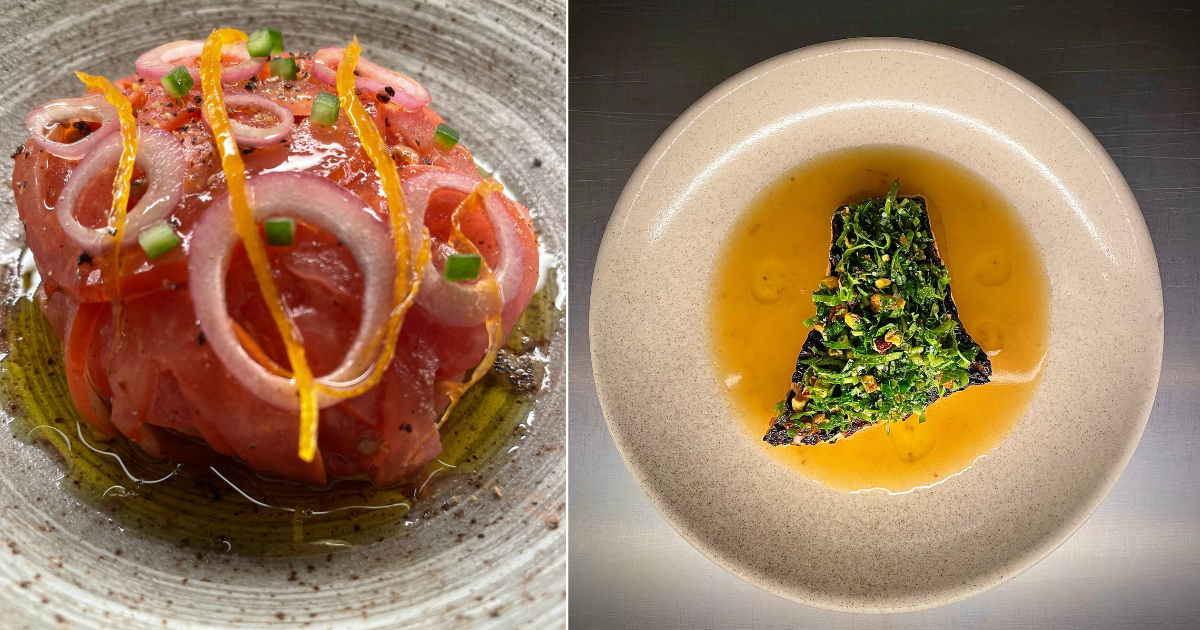
AALIA began with a simple question. Could Middle Eastern food be expressed through a research led, technique driven lens without losing its soul.
Paul did not want to recreate dishes exactly as they appeared in history. He wanted to understand the origins and push them into a modern Sydney context. Late night reading led him to tenth century Arabic cookbooks, some of the oldest written culinary records in the world. He ordered them online and fell into a research hole that changed how he saw the cuisine.
He discovered ingredients and combinations that surprised him. Coriander leaf, fermented dairy, sea urchin and spice blends connected regions in ways he had not considered. The books became a foundation for ideas rather than recipes. He used them to imagine how flavours travelled, changed and adapted over time.
"These books opened my mind. They showed how wide the cuisine really is. It made me want to cook it differently."
The sea urchin dolma at AALIA is a good example of how Paul works. A traditional text might reference a pickled vine leaf wrapped around a filling. Paul and his team swapped it for a fresh sesame leaf and built the dish around sea urchin, cumin and labneh, a flavour combination documented in early Arabic sources. The result is familiar yet new.
Not everything works. Paul once attempted to make cheese using the stomach acids of a fish. It succeeded technically but tasted terrible. The lesson stayed with him.
"Just because you can do something does not mean you should."
Rather than lock himself into one region, he lets the entire Middle East influence the menu. He is especially drawn to North African cooking, which he describes as bright, spiced and often misunderstood. The coastline, the use of seafood and the contrast between fresh and preserved ingredients all resonate with him.
Technique, philosophy and clarity
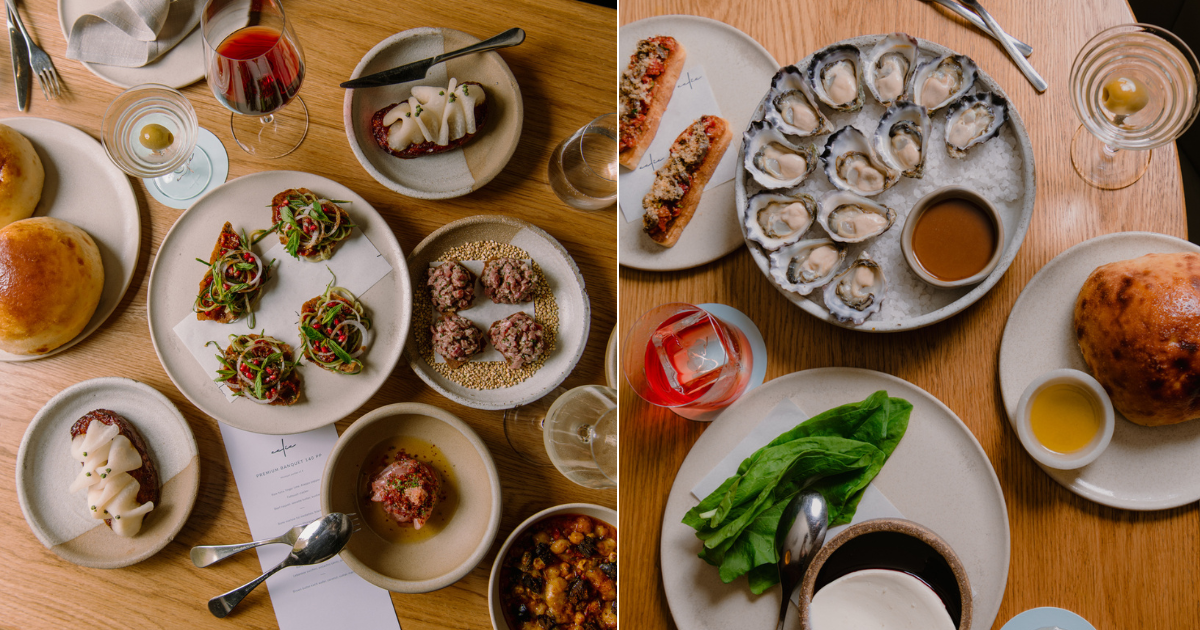
Paul’s cooking is grounded in instinct. He values feel, touch and sensory awareness as much as precision. Years spent butchering fish and breaking down whole animals sharpened his understanding of structure and flavour. At AALIA he uses those skills to reinterpret historic techniques in a way that suits modern kitchens.
Australian produce fits this approach. Rather than replicate ancient steps exactly, he adapts them to the ingredients, standards and expectations of Sydney diners. If a historic recipe calls for vinegar washing, he might skip that step. What matters is the intention. The technique must serve flavour and clarity.
"At the end of the day, it is about how you attack the dish. The inspiration is there, but the approach has to make sense now."
Some dishes stay on the menu because they mean something to him. The eggplant, a rustic plate based on something his father cooked, is one of the few dishes he still eats regularly. It is simple, comforting and essential to the identity of the restaurant.
Paul sees value in letting a little of himself live on the plate. Diners can feel when a dish has personal weight.
In the kitchen he teaches through conversation, repetition and curiosity. He talks constantly with his team about flavour, history and technique. When developing new dishes, he shares the traditional version first, then works with the team to modernise it.
He encourages chefs to test ideas, question assumptions and trust their instincts. Research matters, but so does tasting, adjusting and cooking with awareness.
Leading a modern kitchen
Stepping into the executive chef role at AALIA required him to change the way he led kitchens. Training became a major part of the job. He spent time teaching teams how to butcher fish, understand sourcing and break down proteins with purpose. He created booklets and ran sessions where chefs could ask questions and explore new approaches.
As operations evolved, he had to find balance between creativity and cost. Sydney’s dining climate has shifted. Labour, produce and overhead pressures force chefs to strip back ambition or rethink processes. Paul sees this as one of the hardest parts of the role. Creativity is easy. Making it viable is the challenge.
"Every chef wants to make everything from scratch, but sometimes the numbers do not allow it. That is the reality now."
The goal is to protect flavour and integrity while keeping the business stable. It requires discipline, clarity and honest conversations with the team.
Despite these pressures, the culture at AALIA remains focused on curiosity and growth. The research led approach gives chefs a framework to explore ideas and understand where flavours come from.
The next chapter
For now, Paul is focused on getting through the busiest time of the year. January will bring space to review ideas from his recent Middle Eastern research trip. He returned with a long list of concepts to test, but R&D is difficult during peak season.
There is also a wine bar project on the horizon, which will add another dimension to his work in the new year.
When he is off, Paul often eats at Porcine. He likes Nik Hill’s food and returns frequently.
His favourite cookbook series is the Time Life set. He still refers to the over the shoulder photography and step by step visuals. They show how to butcher, trust and cook with confidence. The books remind him that inspiration often sits in technique rather than recipes.
The final measure of his cooking philosophy comes back to authenticity. For Paul, authenticity is not about strict replication. It is about owning your perspective and cooking with clarity.
"You are never going to create something completely new. What you can do is give it your spin and your flavour."
If he could leave diners with one line about AALIA, it would be simple. Arrive without expectations. Let the food speak. Come in with a clean slate and be open to being surprised.





