Rodolfo Malinverni did not arrive at Latin American cooking through trend or aesthetics.
For the Italian-born chef behind Norte and Sueño Rooftop, the connection came through travel, immersion and a growing respect for the depth behind the food.
His cooking today draws heavily from Latin America, but the foundations underneath it remain distinctly Italian. Simplicity, balance, seasonality and restraint still guide the way he builds dishes, even when the flavours, ingredients and techniques come from somewhere else entirely.
For Rodolfo, the challenge has never been about borrowing flavours. It has been about understanding the traditions behind them well enough to cook with clarity and respect.
Finding more than inspiration
Coming from an Italian background gave Rodolfo a strong technical and cultural base. Respect for ingredients, seasonality and simplicity were already deeply embedded in the way he cooked. What drew him to Latin American food was not novelty, but familiarity in spirit. Different flavours and techniques, but the same deep connection between food, culture and identity.
“What drew me to Latin American cooking was the same thing I love about Italian food, deeply rooted in culture but expressed through completely different flavours, techniques, and ingredients.”
That interest became more serious through time spent living in Costa Rica and travelling through Latin America. The experience moved beyond inspiration and into understanding. Spending time in markets, eating local food and seeing how dishes existed within everyday life gave him a different perspective than books or kitchens ever could.
“A big part of building that understanding came from living in Costa Rica and travelling for several months through Latin America. Being immersed in those environments by eating, learning, and spending time around local food culture gave me the confidence to cook this cuisine.”
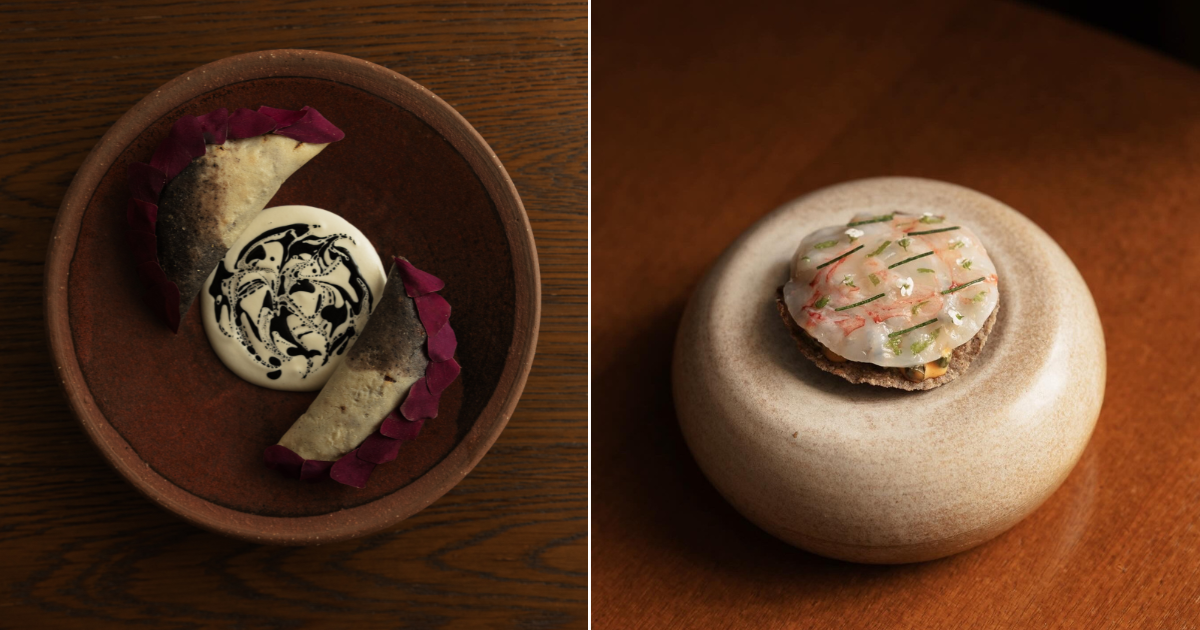
The travel also revealed how layered Latin American food culture really is. In Salvador, Bahia, he saw the influence of African heritage in the food. In Peru, the impact of Japanese, Chinese, Spanish and Italian migration. In Argentina, clear Italian influences appearing in different forms. Those overlaps reshaped the way he thought about cuisine and identity altogether.
Respect beyond flavour
Cooking outside your own culinary background comes with responsibility, something Rodolfo speaks about carefully. For him, respect starts with understanding that these cuisines already carry history, meaning and structure long before another chef interprets them.
“For me, respect starts with recognising that you’re stepping into a tradition that already has history and meaning.”
That means understanding more than flavour combinations or visual references. It means understanding process, context and why certain techniques matter in the first place. If an ingredient or preparation has cultural importance, he believes chefs should take the time to understand it properly before building dishes around it.
“If I’m using something like masa, I want to understand the full process behind it and why it matters, not just how it tastes.”
For Rodolfo, curiosity only becomes meaningful when it is backed by work. Learning techniques properly, understanding ingredients in their original context and avoiding shortcuts are all part of that process. The goal is not to imitate another cuisine exactly as it exists elsewhere, but to understand it well enough to approach it honestly rather than superficially.
Italian foundations still shaping the food
Even though the references on the plate may come from Latin America, Rodolfo’s Italian background still shapes the way he thinks as a chef. The structure underneath the dishes remains grounded in clarity, balance and restraint.
“Italian cooking has taught me to respect ingredients, to keep things clear, and to avoid overcomplicating flavours.”
That thinking appears throughout the menu. One example is an arepa dish built around a carbonara-style sauce. The idea itself is playful, but the approach behind it is disciplined and technical rather than gimmicky.
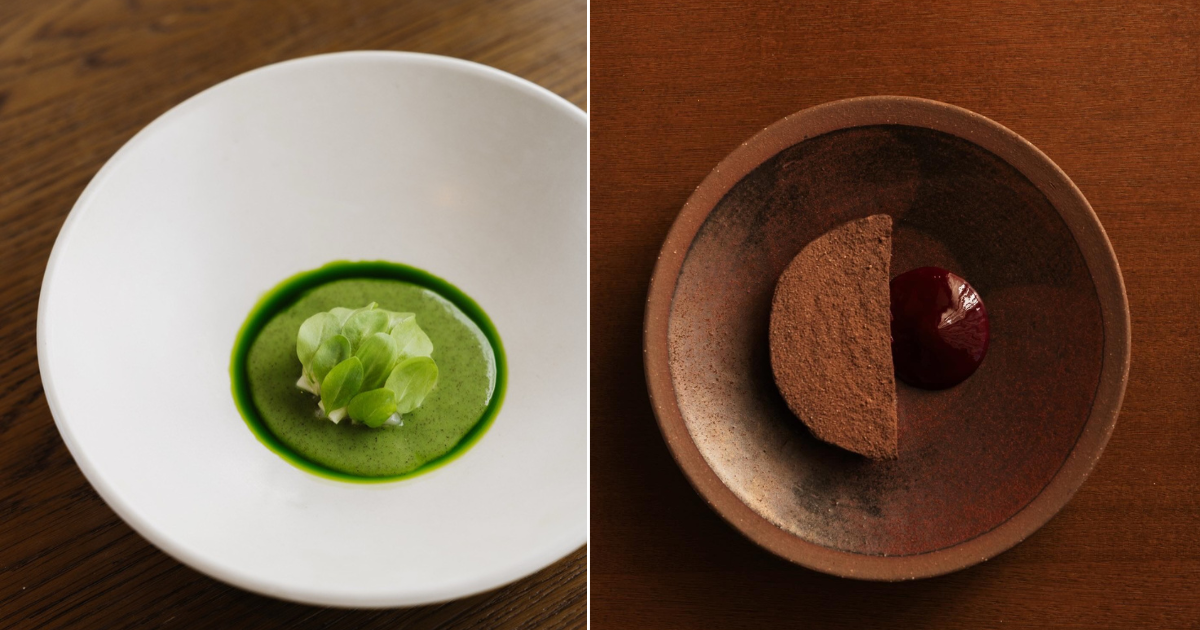
Another example is his take on papa rellena using kangaroo tail. The potato is approached almost like gnocchi dough, with a focus on texture and lightness, while the filling draws from the slow-cooked depth of coda alla vaccinara.
For Rodolfo, these dishes are less about fusion and more about applying familiar technical thinking within a different culinary framework. The identity comes from how the dish is built, not simply where the flavours originate.
Discipline behind expressive food
One of the strongest themes running through Rodolfo’s cooking is discipline. Earlier kitchens taught him the importance of repetition, palate development and understanding balance at a fundamental level.
“Once you properly learn how to balance a dish with acidity, fat, salt, heat, texture, it becomes the foundation for everything else.”
That understanding was built through repetition and constant tasting over time. Rodolfo describes it as training the palate almost like building a muscle. Eventually, the process becomes instinctive. You begin recognising immediately when something is missing or when a flavour is pushing too far in one direction.
In busy kitchens, those instincts become essential because there is no time to overcomplicate decisions during service. That is where structure and fundamentals take over.
The same thinking applies when working with bold flavours, smoke, acidity and spice. For Rodolfo, restraint is not about making food quieter or safer. It is about precision and control.
“Restraint isn’t about doing less for the sake of it. It’s about precision.”
Once balance is understood properly, there is less need to rely on excess to create impact. Intense flavours can still feel clean and controlled if the structure underneath them is right.
Turning research into restaurant food
Research and travel may inspire ideas, but Rodolfo is clear that restaurant dishes still need to survive service. A dish only works if it can consistently hold up under pressure while still feeling true to the original idea.
“What makes a dish work in service is clarity and discipline.”
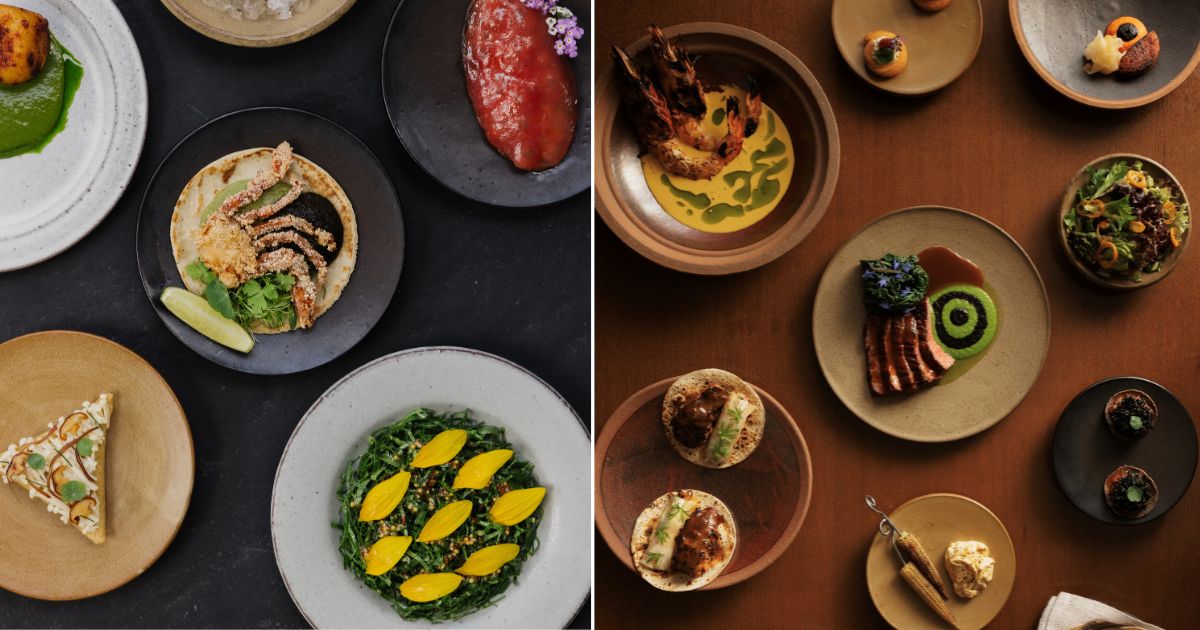
That often means simplifying things rather than adding more complexity. Tightening flavours, simplifying plating and adapting techniques so they fit the rhythm of the kitchen become part of the process. The challenge is making expressive food feel stable enough for service without losing what made the idea interesting in the first place.
That same thinking shapes how Rodolfo decides what belongs on the menu and what does not.
“When I’m exploring a cuisine or region that isn’t my own, I try not to think in terms of ‘what can I take’, but rather ‘what do I actually understand well enough to represent in a respectful way’.”
For him, a dish only works when it feels grounded in something real. A properly learned technique, an ingredient understood in its original context or a flavour combination with genuine cultural logic behind it. Without that grounding, the dish starts drifting away from something honest.
Cooking with humility
For Rodolfo, one of the biggest mistakes chefs make when cooking outside their own culinary roots is approaching it without enough humility. Technique alone is not enough. Research alone is not enough either.
“Accepting that you need to learn before you can interpret it in your own way.”
That is why travel mattered so much to him personally. Without that time spent living within the food culture, he says he would not have felt comfortable taking on projects like Norte and Sueño.
“Honestly, if I hadn’t had that experience, I don’t think I would have felt confident enough to take on projects like Norte and Sueño.”
The confidence comes from having spent time understanding the food properly first. Not perfectly or completely, but seriously enough to approach it with respect and responsibility.
Food that speaks clearly
Despite the amount of research and thinking behind the food, Rodolfo does not want guests to feel like they are eating a concept. Once the dish reaches the table, it should feel direct and enjoyable rather than intellectual or overexplained.
“At the end of the day, the main thing for me is that people enjoy the food.”
The work behind the scenes should disappear into the experience of eating. For Rodolfo, the role of the chef is to translate all the travel, research and technical thinking into something balanced, honest and immediately enjoyable.
“Food doesn’t need to be decoded to be enjoyed.”
If the structure is right and the flavours are balanced, the food should communicate clearly on its own. As Rodolfo sees it, the guest should connect with the dish first, not the explanation behind it.





