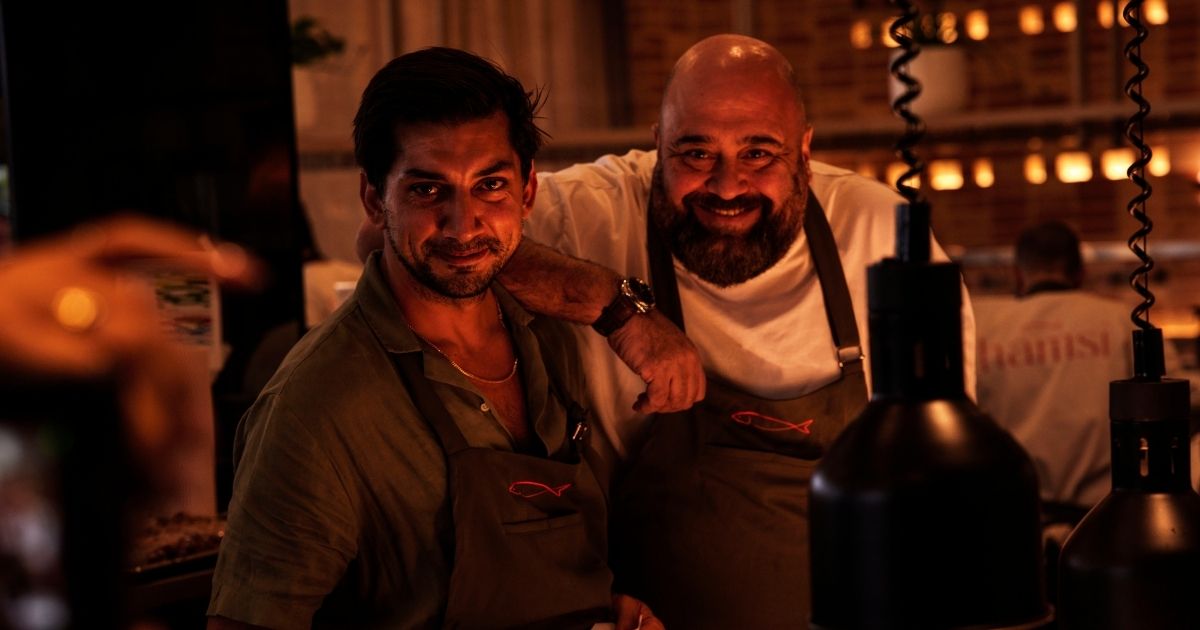
As Group Executive Chef at Efendy Group, Yusuf Özyürek works with head chefs across the group to maintain standards, protect the identity of each venue and uphold the group’s values of Turkish hospitality, warmth, quality and respect for tradition.
At Hamsi Taverna, he is also helping showcase a side of Turkish cuisine that deserves greater recognition.
From Burgazada to professional kitchens
Yusuf Özyürek grew up on Burgazada, a small island off Istanbul, where seafood and cooking over fire were part of family life. Weekends often centred on the barbecue, and whenever his father cooked, Yusuf would be beside him helping.
His move into professional kitchens came years later in Florida. He was working front-of-house at a golf club when he was asked to help in the kitchen, and the pace, teamwork and energy drew him in immediately.
It was also his first experience of the discipline behind service and the way a kitchen needs to work together when the pressure builds. Yusuf knew it was where he wanted to build his career.
Rather than pointing to one chef or restaurant as his main influence, Yusuf has tried to take something useful from every kitchen, mentor and challenge. Travel has had the greatest impact, while working alongside Somer Sivrioğlu at Efendy Group has become another important chapter, further shaping how he thinks about ingredients, hospitality and the way people gather around a table.
Moving into a group role
Yusuf joined Efendy Group after meeting Berk Cemail at the Gault&Millau Awards. Their conversation about the group’s vision led him to Efendy Istanbul, where he experienced its food, hospitality and culinary philosophy before relocating to Sydney.
Founded by Berk Cemail and acclaimed chef and MasterChef Türkiye judge Somer Sivrioğlu, with Fatih Kulle playing a long-standing role in its operations, Efendy Group has built its restaurants around Turkish hospitality, quality and respect for tradition. At the same time, each venue has been given room to develop its own food and identity.
Yusuf now works as Group Executive Chef, overseeing culinary direction across the venues while working closely with the head chefs and wider leadership team. His week can move between menu development, service support, training and mentoring.
A large part of the job is making sure new ideas work in practice. A dish may be strong creatively, but it still needs to make sense for the chefs preparing it through a busy service.
“A great dish needs to excite guests, but it also has to be practical for a busy service and something the entire team can execute consistently,” Yusuf says.
Protecting each restaurant’s identity
One of the main challenges of a group role is keeping standards consistent without allowing the restaurants to become versions of each other. Quality, consistency, Turkish hospitality and respect for ingredients remain important across Efendy Group, but the food needs to reflect the identity of each venue.
Anason draws on Istanbul’s meyhane culture, where generous sharing plates, raki and long meals are central to the experience. Maydanoz takes a more contemporary approach to Turkish flavours, while Hamsi Taverna focuses on Australian seafood, charcoal and the coastal food traditions of Türkiye.
Yusuf’s role is to make sure ideas are developed for the right restaurant rather than moved across the group simply because they have worked somewhere else.
“Sometimes a dish may be perfect for one venue but not for another, and recognising those differences is just as important as creating the dish itself,” he says.
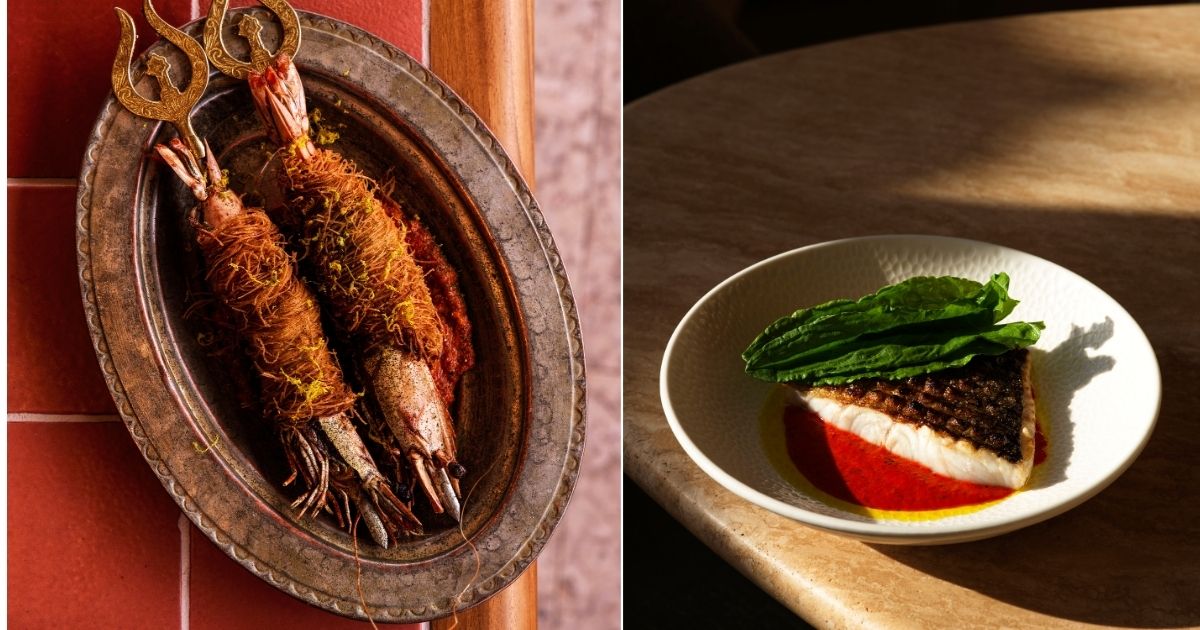
There can still be connections between the restaurants. Somer Sivrioğlu’s signature kadayıf prawn, for example, has appeared across different venues over time and remains available somewhere within Efendy Group. It gives returning guests something familiar while allowing each restaurant to maintain its own direction.
Giving head chefs ownership
Yusuf works closely with the head chefs, but he does not believe leadership means controlling every part of their kitchens. They understand the daily rhythm of each venue, the strengths of their teams and the guests they are cooking for.
He provides direction and support while expecting each head chef to bring their own ideas and take responsibility for the kitchen.
“I believe leadership is about mentoring rather than controlling,” Yusuf says. “I give our head chefs clear direction, but I also want them to take ownership of their kitchens.”
That ownership matters because standards need to be led by the chefs in each venue rather than depending on Yusuf being present for every service.
“When chefs feel trusted and supported, they grow, and so do the restaurants they lead,” he says.
Building Hamsi Taverna around seafood
Developing Hamsi Taverna from its early stages through to opening was one of the most exciting projects of Yusuf’s career. Working with the group’s leadership and venue team, he helped shape the menu from the early concepts through to opening day.
The restaurant was created to show a side of Turkish cuisine that is still not widely recognised outside Türkiye. While Turkish food is often associated internationally with kebabs and grilled meat, the country’s Black Sea, Aegean and Mediterranean coasts have long seafood traditions of their own.
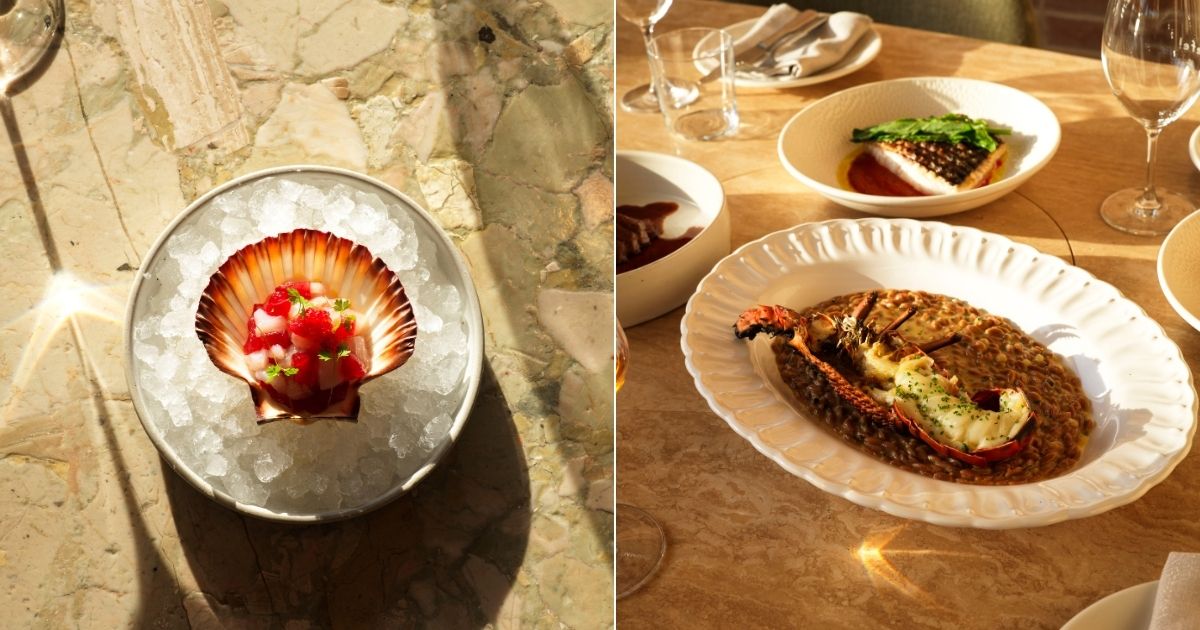
Hamsi brings that story to Sydney through Australian seafood, charcoal cooking and simple combinations that allow the main ingredient to take centre stage.
The opening menu went through several rounds of testing. Yusuf wanted the food to feel generous and approachable, with clear flavours and cooking that respected the quality of the seafood.
“Simplicity became one of our guiding principles,” he says. “Rather than adding unnecessary complexity, we focused on selecting exceptional ingredients and allowing them to speak for themselves.”
The aim was not to repeat what was already being done in Sydney’s seafood restaurants. Hamsi instead offers a Turkish perspective, using local produce in a way that respects both Australia’s ingredients and Türkiye’s coastal food traditions.
Cooking with the market
Being based at Sydney Fish Market has a direct effect on how Hamsi sources, plans and cooks. The location gives the team close access to seafood and allows them to build strong relationships with suppliers who understand the quality the kitchen is looking for.
It also means the menu needs to respond to seasonality and availability. Rather than forcing the same ingredients throughout the year, the kitchen adapts to what is at its best.
“Sometimes the best seafood available changes overnight, and that’s something we embrace rather than fight against,” Yusuf says. “That flexibility allows us to keep quality at the centre of every decision we make.”
Working this way still requires careful planning. Freshness is central to Hamsi, so purchasing, storage and preparation all need to be handled with precision.
Yusuf does not want to recreate Turkish dishes exactly as they would be made in Türkiye if the ingredients available in Australia call for a different approach. Instead, he takes the philosophy and techniques of Turkish cooking and applies them to the local seafood in front of him.
“It’s not about creating fusion for the sake of it,” he says. “It’s about expressing Turkish cuisine through exceptional local ingredients while staying true to its character.”
Building standards through people
For Yusuf, one of the hardest parts of overseeing several venues is maintaining consistency while recognising that every kitchen has its own team, pace and personality.
Clear systems and training help, but communication is just as important. The chefs taste together, share ideas and solve problems as a group, creating a common understanding of the standard while allowing each restaurant to keep its character.
Within the wider leadership team, Yusuf’s focus is to strengthen the culinary identity of each venue while creating opportunities for the next generation of chefs to grow through the group. He also wants to continue showing the diversity of Turkish food culture and the regional traditions that sit beyond the dishes many Australian diners already know.
More than any individual dish, Yusuf wants his work to be measured by the teams he helps build. Seeing chefs grow in confidence, take ownership of their kitchens and become leaders is more rewarding to him than having his name attached to a single recipe.
“More than anything, I hope I’m remembered for the teams I’ve built rather than any individual dish I’ve created,” Yusuf says. “The food will always evolve, but investing in people creates something that lasts.”





