Why Ollie Moore returned to hospitality at The Ship


Former Michelin-starred chef Ollie Moore says creativity, trust and the opportunity to help revive Hampshire’s food scene were key reasons behind his return to hospitality.
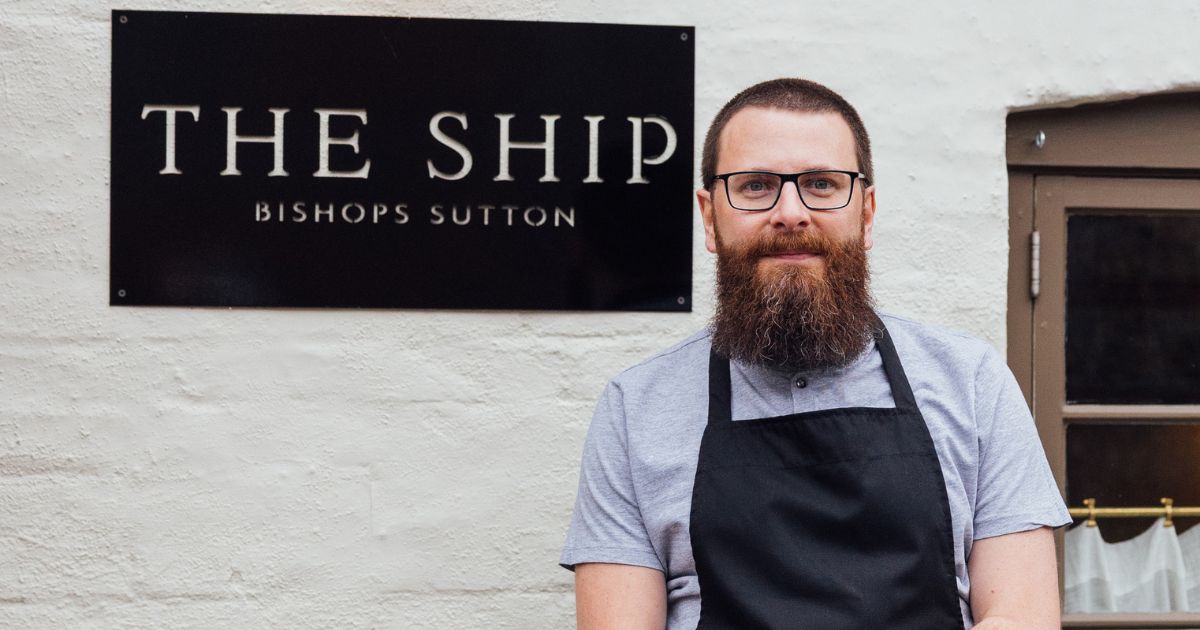
Ollie, now head chef at The Ship in Bishops Sutton, stepped away from the kitchen after Covid and spent three and a half years working in hospitality recruitment with Platinum Recruitment, focusing on Hampshire chefs.
Before that, his career had largely been built around three-rosette and one-Michelin-star kitchens. After training at Guildford College, Ollie worked at The Atlantic in Jersey under Mark Jordan, The Horn of Plenty in Tavistock and The Manor House, before becoming sous chef and later head chef at The Black Rat in Winchester.
“I always tried to work at that sort of three-rosette, one-star level really,” Ollie said.
“The Black Rat was very niche and playful.
“The menus had a real focus on forage-led ingredients, as well as cheap cuts and offal.”

Ollie Moore on returning to hospitality
After leaving kitchens, Ollie moved into recruitment soon after the birth of his daughter.
“Two weeks before Covid, my daughter was born,” he said. “I really just wanted to find a role where I could still have my head in the kitchen and keep up with what was going on in the area.
“I just felt like I needed to be at home more: weekends, doing bath time, story time.”
But the pull of cooking remained.
“Platinum served a purpose, but I’m still quite a creative person,” Ollie said. “Being able to express that creativity by a plate of food or an element is still in me. I’ve still got that passion.”
Why The Ship was the right project
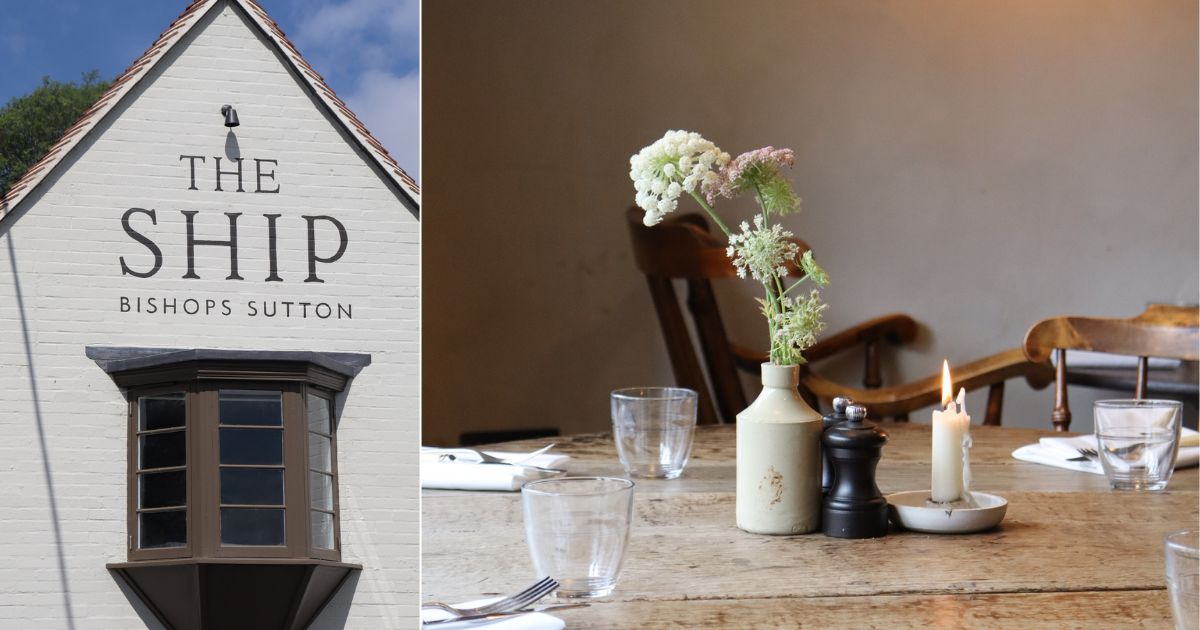
The opportunity at The Ship came through owner Kelly Shaw, who Ollie had previously worked with as a recruitment client.
“For me to go back into the kitchen, I really needed to trust her and the venue, as well as feel there was that connection there,” he said. “The opportunity came up and I think we both wanted it. It just seems to work.”
Ollie believes The Ship can play a role in giving Hampshire’s food scene renewed energy.
“Fifteen years ago, there were four starred restaurants,” he said. “Now there aren’t any restaurants with stars.
“Sitting behind a desk, focusing on Hampshire clients and chefs, it all seems to have gone a little bit stale. No disrespect to people who are trying, but I think there’s still a gap for that playfulness with wild food and cheap cuts.
“I just want to see if we can fill that gap and maybe get the spotlight back on Hampshire again.”
Putting
Hampshire back on the food map
That approach is already showing on the menu. Current dishes include sticky beef cheek with pickled and tempura rock samphire, with cider used in the batter rather than sparkling water. He also uses nearby foraged nettles across the menu.
Ollie also highlighted a stone bass dish with set polenta, spring vegetables, elderflower beurre blanc and strawberry relish.
“You don’t normally see elderflower on a savoury dish,” he said. “To have a strawberry and elderflower combination on a main course with fish, it’s not wacky, but I think it’s quite interesting at the same time. It tastes good.”

Since returning to the pass, Ollie believes diners are increasingly looking for value, generosity and a sense of enjoyment.
“No one wants to pay that bill at the end and feel that they’ve been stung,” he said.
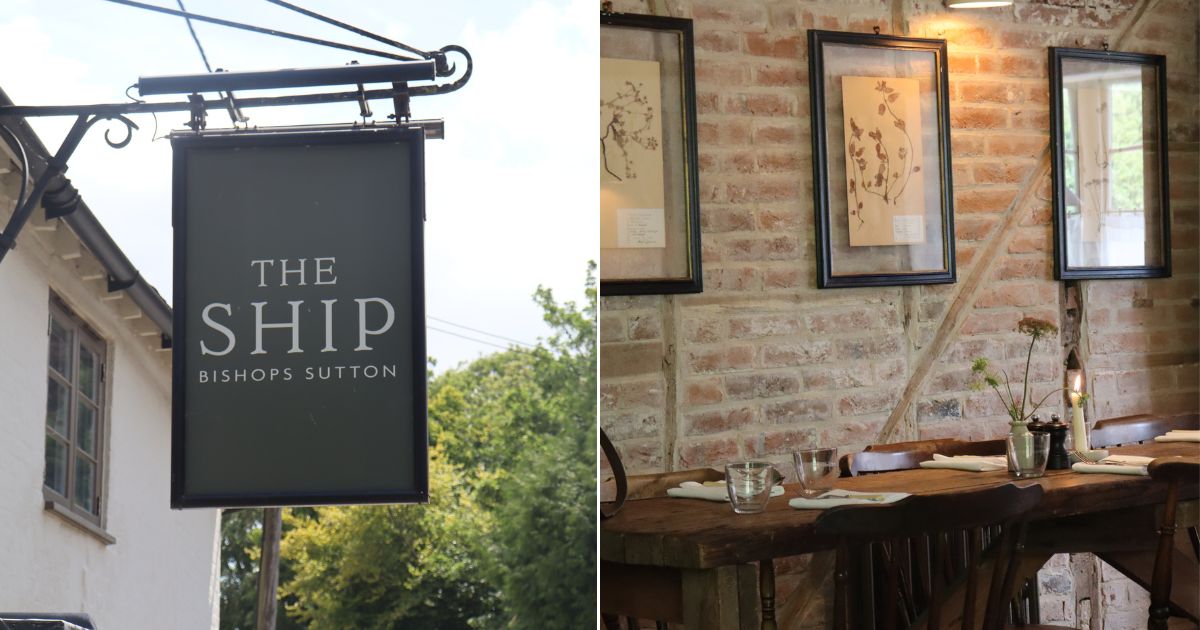
“A pub setting means we can serve healthy portions and be playful. We have all sorts on the menu, from traditional English things to having a little bit of Far Eastern influence.
“I feel like people want to be entertained when they eat and they want to feel like they’ve got value for money.”
Why hospitality is still worth choosing
With hospitality under sustained pressure, Ollie said operators need to stay close to their customers.
“In this time, you have to literally do everything you can to be relevant and just keep the diner happy, because it is tough and there’s loads of competition out there,” he said.
“When they walk into our pub, it’s that friendliness. We’re a homely pub, where they can feel relaxed and have a good food offering. Just don’t ignore the customer.”
Asked why young people should still consider hospitality as a career, Ollie pointed to the travel, creativity and sense of shared purpose the industry can offer.
“Not many jobs allow you to pack a bag and go,” he said. “Everyone needs to eat at the end of the day.
“As a young chef, you have creativity. You can go to a hotel and be working with Europeans, Americans or people from Asia. It’s such a mix and you mature quickly.
“You do feel part of a family if you find the right kitchen. I don’t think many jobs can give you that experience: to be out of your depth, but in a good way.”

For 18 years, The Staff Canteen has been the meeting place for chefs and hospitality professionals—your stories, your skills, your space.
Every recipe, every video, every news update exists because this community makes it possible.
We’ll never hide content behind a paywall, but we need your help to keep it free.
If The Staff Canteen has inspired you, informed you, or simply made you smile, chip in £3—less than a coffee—to keep this space thriving.
Together, we keep the industry connected. Together, we move forward.
Support Us
CONTRIBUTE
Why Ollie Moore returned to hospitality at The Ship


