When is a historic cheese not allowed to use it’s historic name? When bizarrely it’s protected by a PDO designed to preserve heritage.
 Last month I wrote about PDO products (Also known as protected food names), and I return to the theme again this month to talk cheese.
PDOs are a great guarantee that the product bought is from a particular area, and helping preserve skills and heritage which might otherwise be lost – it is if you will an authenticity stamp, and one that consumers understand, and when done well such as with the Lakeland Herdwick Lamb genuinely protects the livelihoods of small farmers, and preserves our countryside.
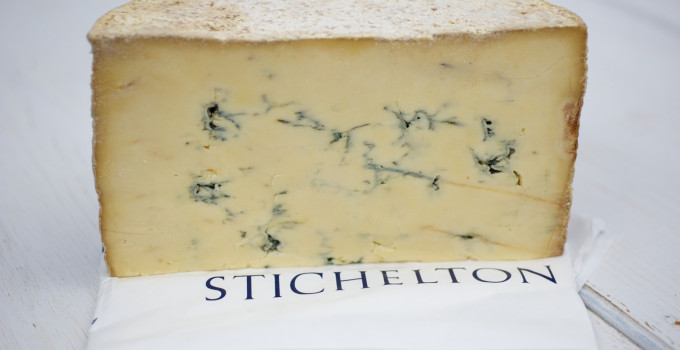
Yet the UK is fairly unique in all of Europe for having a PDO which does not allow the historic method of production, and that PDO is for Stilton. Stilton must use pasteurised milk according to it’s PDO, yet pasteurisation came more than a century after the cheese was being produced.
Joe Schneider produces a blue cheese made with unpasteurised milk. I am legally forbidden for saying it’s like Stilton – and I am happy not to, Stichelton (Joe’s cheese) is far tastier. But it is made in a process which is near identical, but using unpasteurised milk.
Many of our great cheeses use unpasteurised milk from Parmesan to Roquefort, Kirkham’s Lancashire to Keen’s Cheddar all perfectly safely. So Schneider asked the Stilton Cheesemakers Association to amend the PDO to allow unpasteurised milk, and have the historic method admitted.
They refused. However, the same Association allow the inclusion of cranberries, and even ginger and apricots. Yet a small handcrafted cheese, made with unpasteurised milk may