What’s behind the bakery boom?


While many restaurants, pubs and other food-led hospitality businesses are finding it harder than ever to survive, artisan bakeries are thriving. The Staff Canteen looks at what’s behind bakery’s rise and where its headed.
The Covid-19 lockdowns were a bleak time for many. Restaurants and pubs were forced to close, socialising in person was banned and we fought over rolls of toilet paper in supermarkets.
For some, like Charlotte O’Kelly, however, the lockdowns provided time and space to be creative and develop skills that would lead to positive change in their lives.
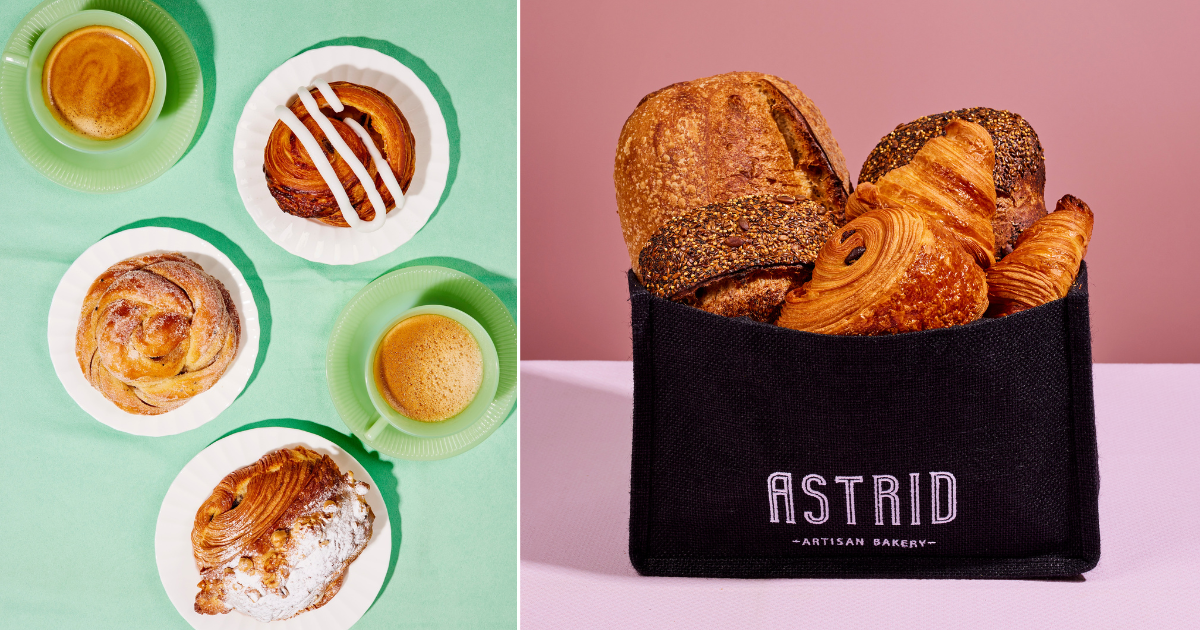
Because while everyone else was baking banana bread in their kitchens, Charlotte, founder and owner of north London bakery Astrid was crafting croissants and cinnamon buns she’d learnt how to make on a boulangerie course at Le Cordon Bleu in hers.
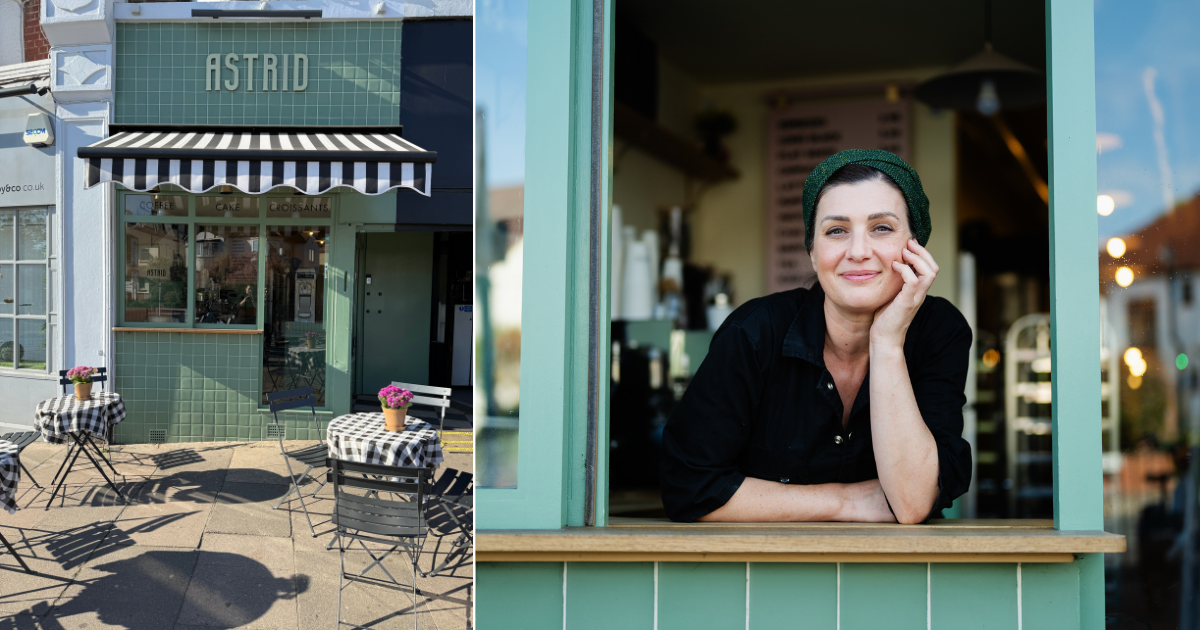
After four years selling pastry-filled breakfast boxes for home delivery, Charlotte finally opened a bricks and mortar site – Astrid – in a former 400 square foot nail salon in Muswell Hill in April 2024.
Queues formed and when the tiny bakery regularly sold out of its seasonal fruit Danish pastries, cinnamon buns and chocolatines within an hour of opening, Charlotte knew she’d need to increase capacity.
“We were so busy we couldn’t cope with the demand, so all my time was thinking about how I could produce more to stay open longer,” she says.
A larger unit on the same street was quickly acquired as a production space before opening to the public as Astrid Atelier at the start of 2026. Such has been the demand, Charlotte now opens the bakery seven days a week and has employed more staff to help run it.
No sign of momentum slowing
Astrid is one of a growing number of artisan bakeries and patisseries currently riding the crest of a wave made of flour, butter and sugar. Craft bakery is big business and the wave it’s on doesn’t look like it will break any time soon.
Last year, the amount consumers spent in bakeries and patisseries in the UK rose by 6% according to market research company Mintel, as consumers splashed out on what it dubs ‘affordable indulgences’.
Many existing operators, like Nermin Khamosia and her husband Ali, founders of Ta’mini Lebanese Bakeries are already expanding businesses formed recently, such has been the success. The couple opened their third site in Kensington last year and are planning a fourth to sell their popular Manakish (flatbread), Ka'ak (ring-shaped bread) and Arabic cookies.
“Since the opening of our first site in Fulham in 2020, we’ve seen phenomenal demand. All our bakeries are packed at lunchtimes and our wraps are extremely popular,” she says.
This success hasn’t happened overnight of course. There are bakers, like Phil Clayton at Haxby Bakehouse in Yorkshire, Aiden Monks at Lovingly Artisan in Cumbria and Bradley Tapp at Farro in Bristol who pioneered the artisan bakery market by combining quality, sustainable ingredients with hard work and creativity to produce loaves of sourdough, buns and pastries that draw customers from all around the country.
So what is it that’s causing this – as Charlotte at Astrid puts it - ‘magical moment for the bakery scene in Britain’?
More affordability - for both operators and consumers – is one reason. “A lot of the growth in the bakery space has been driven by wider pressures on hospitality,” explains Omar Shah, founder and owner of Cafe Mama and Sons in Kentish Town.
“Restaurants are getting hit hard by rising costs like national insurance and VAT, whereas bakeries can operate on a leaner model and in some cases benefit from being largely VAT free on core items like baked goods and sandwiches. That has made it a more attractive and resilient format, especially in London.
“There is also a shift in how people perceive value. Customers are often more willing to spend freely on a few pastries and coffees than they are on a full restaurant meal, even though restaurants carry significantly higher overheads.”
Gary Usher, owner of Elite Bistros, agrees on both counts. In a recent episode of Go To Food Podcast, he notes that customers barely ‘bat an eyelid’ at spending £30 in a four-minute trip to his bakery Usher’s Bakehouse, yet are less inclined to spend the same per head in one of his restaurants.
He tells listeners: “For some reason, bakeries are so in fashion at the moment. People love them. They want to eat that way, they want to go out that way. And it sort of works.”
Why people are drawn to bakeries
Charlotte agrees that the perceived affordability and accessibility offered by bakeries has driven their popularity through the cost-of-living crisis, but she believes the growth of independent, craft-led businesses comes from something deeper.
“Something happened during Covid times where everything became a bit more community-focussed,” she says.
“People are more inclined to support local shops. Certainly in our case, we see people catch up with their neighbours in the queue. We’ve become a hub for the community and that’s something people really value now.”
Bakeries might look like an appealing sideways move for hospitality operators struggling to keep their businesses afloat, but they still carry financial risks and – like any other food business – are vulnerable to rising ingredients’ costs.
Evenings will be traded for early mornings (some shifts start at 6am at Astrid) and as Charlotte points out, running a business equals admin.
“I work seven days a week and, as the business grows, I’m doing more office-y stuff rather than baking, which is sort of a sadness and a blessing,” she says, adding that staff costs ‘are massive’.
“But if you want to grow you need people. As an artisan you don’t just buy a bit of equipment to do the job, you need people for it.”
But above all, the rewards outweigh the challenges: “It's wonderful for me, personally, to have been able to create this place in my community that I know people really value.”
As we move into the second half of 2026, we can expect the bakery market to continue to rise says Mintel, noting ‘emerging opportunities in value-driven bundles, rising consumer interest in subscription models, and increased demand for ethically sourced ingredients’.
Fusion bakeries
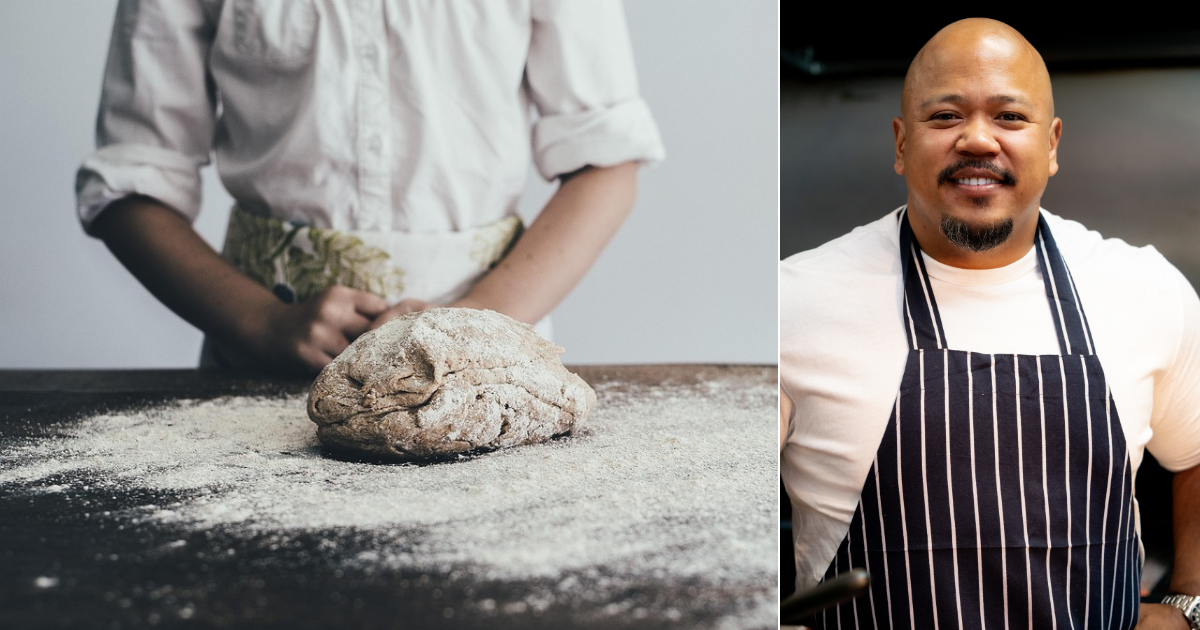
Omar from of Cafe Mama and Sons foresees the market broadening with fusion bakeries – those combining classic French techniques with different cultural flavours (think pandan lamingtons at Long Boi’s Bakehouse in Manchester and ube beignets at Cafe Mama and Sons) – growing in prominence.
“It started with Southeast and East Asian influence but is now expanding across other cultures including Middle Eastern,” he explains. “It has become a very exciting creative space.”
Aside from this cultural shift, Omar predicts an evolution ‘beyond pastry’, with bakeries adding sandwiches and savoury options to the mix ‘to easily fit and benefit from the same VAT treatment’.
“It is a smart way to grow average spend while staying operationally simple,” he concludes.
(Written by Emma Eversham)

For 18 years, The Staff Canteen has been the meeting place for chefs and hospitality professionals—your stories, your skills, your space.
Every recipe, every video, every news update exists because this community makes it possible.
We’ll never hide content behind a paywall, but we need your help to keep it free.
If The Staff Canteen has inspired you, informed you, or simply made you smile, chip in £3—less than a coffee—to keep this space thriving.
Together, we keep the industry connected. Together, we move forward.
Support Us
CONTRIBUTE

What’s behind the bakery boom?


