Concern has been raised over how new government legislation regarding the importing of eggs into the UK could affect the hospitality industry.
As part of a wider policy of supporting Ukraine economically following Russia’s invasion in 2022, the UK government have decided to extend tariff-free measures on Ukrainian egg and poultry imports until March 31, 2028.
For context on how this affects British producers, for the first 10 months of 2025, the UK imported 11,901 tonnes of Ukrainian shell eggs and egg products, having not traditionally imported from the country before September 2024.
While this does not lead to much impact on homes and supermarkets, which are still supplied by British Lion eggs, it does feed into concerns around a rise in use of non-British eggs within hospitality.
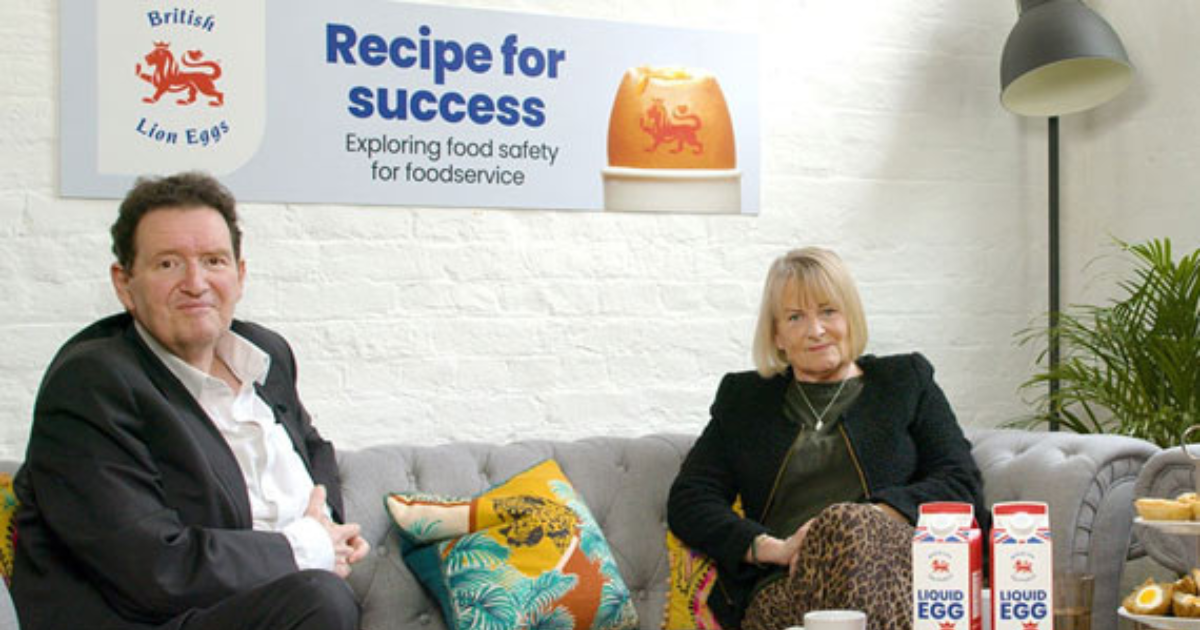
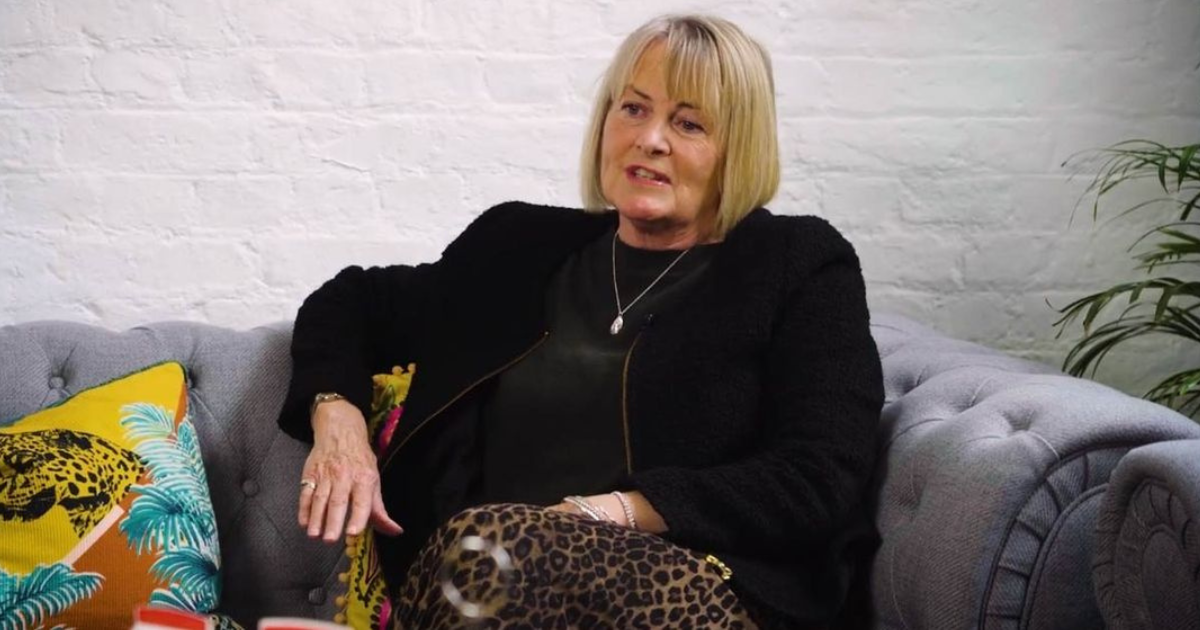
Discussing the risks associated with pubs, restaurants, hotels and other forms of catering not using the gold standard British Lion eggs, we spoke with food safety expert Dr Lisa Ackerley.
Food safety and liability
“The British Lion egg is safe to be consumed, undercooked, by everyone in society, even if you're a vulnerable person,” she explained.
“There's that guarantee that there's no salmonella in the egg, which means you can have a runny egg, you can have boiled egg and soldiers, you can have a fried egg sunny side up, you can have scrambled eggs, omelettes, without any risk that you're going to contract salmonella.
“That's something really special that we've got with British Lion – no-one else has got that around the world, because we take so much care to get these eggs to an incredibly high standard, not just microbiologically either, it's also chemical.
“It's this background that we really need to think about. In this country, we are used to the safety of a British Lion egg.
“If we end up getting imported eggs and they get into hospitality, people aren't necessarily going to understand that the egg that they've ordered for breakfast is different to the one that they have at home, because let's face it, most people at home have a British Lion egg.
“When you go to a restaurant and you ask for an egg sandwich or an egg butty for breakfast, you don't necessarily know what you're getting, unless of course you ask the question.
“And I think from the public's point of view, they don't really know that there's any difference. They are used to having the highest quality British Lion eggs at home and not having to worry about it.
“So I think what's important is that hospitality understand the difference and they understand that if they're using imported eggs, there is a risk that they don't have the same high standard, particularly in microbiological terms. There could be a risk of salmonella being passed on to the customer if the eggs are less than thoroughly cooked.”
Asked what she feels businesses should be doing to ensure the best food safety measures, Dr Lisa added: “What I feel passionate about is making sure that hospitality understand that difference and that they know that if they do buy an imported egg that isn't a British Lion egg, they need to take extra controls, otherwise they could poison their guests.
“Particularly, they mustn't serve runny eggs to vulnerable groups.
“What I've always recommended to my clients is just buy a British Lion egg and then you're safe. And it doesn't matter how you prepare it, you know that it's got that guarantee of safety.
“If people don't do that, then they need to demonstrate that they are controlling the hazard of salmonella in a different way.
“They may have to say every single egg that we cook will be cooked thoroughly over 75’C all the way through to avoid the risk of salmonella poisoning of our guests. That's an enormous challenge for catering. You're not going to be probing every fried egg to see if it's reached the temperature.”
Hygiene ratings and reputation
On top of the issue of needing to cook eggs thoroughly for the safety of guests, using non-British Lion eggs correctly can also have a huge negative impact on a food hygiene rating score.
“If you don't address the hazard, then an Environmental Health Officer (EHO) visiting you and doing an inspection could say that you're not actually reaching the standards for controlling the hazard of salmonella,” explained Dr Lisa.
“The consequence of that could be that you have a reduced food hygiene rating. And your rating, even if your premises is fantastic in other respects, could go down to as little as a three, a two or a one, depending on how much you are not controlling that hazard of salmonella.
“So it's a huge risk for businesses to do this. But it's also a risk because if they get it wrong and they poison their customer, then effectively they've served unsafe food. That means that they could be prosecuted, or the customer could take civil action.
“All of these things lead to a very bad result for the business, either in terms of financial penalty, criminal record or reputation.”
Dr Lisa is keen to ensure this issue does not come across as scaremongering for customers heading out to a café for breakfast, or for a pub lunch. It is more about making businesses aware that if they do see buying cheaper eggs without British Lion standards as a cost-cutting option, it needs lots of thought.
She said: “EHOs are going to be looking for evidence that you've controlled the hazards in your business. That’s actually a legal requirement.
“One of the hazards is salmonella from eggs. And the way that you can show that you've controlled that hazard is to buy British Lion eggs and to have that in your food safety management system.
“But do be aware that if you stray from that system and you let other eggs in, then your food safety management system is no longer valid and it puts you at risk of not only serving the customers a dish that has salmonella in it, but also the risk of getting a poor food hygiene rating as a result of that.
“Saying you do one thing and then doing something else could actually cost you vital points on that food hygiene rating and reduce the business from being a very good five to being a two, or even a one, because of the way the scoring works.”
She added: “I don't actually think that everyone is aware of this issue.
“It's very difficult for hospitality at the moment because there are so many issues relating to finances. They're being hit from all sides.When that happens, there's a temptation to buy cheaper ingredients.
“This may be one cost that you really don't want to cut.”
Dr Lisa Ackerley
Trust when serving vulnerable groups
This issue is particularly pertinent when it comes to catering to vulnerable groups, who are more susceptible to food poisoning, such as babies, elderly people, pregnant women or, for example, those undergoing treatment for cancer.
“Some hospitality outlets such as care homes have a high population of vulnerable groups,” said Dr Lisa.
“In hotels, a lot of eggs are used for breakfast. If you use a lot of eggs, you've got a higher risk of salmonella in undercooked eggs.
“We need to be absolutely sure that we're not going to give vulnerable groups even a small dose of salmonella, because the consequences could be so much more severe for those people.”
Sourcing through responsible sources and wholesalers
Another key point to note is that even if eggs are packaged in the UK, it does not necessarily mean they were not imported first.
“What I think is really important is for everyone in the food business to be aware of the difference between a British Lion egg and an egg that's come from another country. And they are not the same,” said Dr Lisa.
“What's really important in the supply chain is that the chefs understand what they're actually receiving. Sometimes suppliers may switch supply of eggs.
“For example, they may once have given British Lion eggs and then they decide that it's cheaper to supply something else that isn't a British Lion egg.
“Sometimes the foreign eggs are packed in the UK, which gives them the right to put a UK label on the box. But chefs need to be aware that just because there's a UK label on the box doesn't mean to say that it's a British Lion egg.
“What they need to do is take the eggs out of the box and have a look at the egg itself to see whether there's a lion stamp on there.
“Chefs need to be extremely careful that everybody in that business, and often it's the kitchen porter who's receiving the goods, make sure that they understand what they're looking for, that they get what they're paying for. If they're paying for British Lion eggs, that's what they need to be receiving.”
To conclude, Dr Lisa said: “I think it's very hard sometimes for people to even comprehend that an egg is anything but British Lion, because we've grown so used to that in our home environment.
“But in catering, it is possible to get hold of imported eggs. And it's just really important that the chefs and everyone in the business knows to look out for them.
“If you've decided not to have British Lion, then you must put into place other food safety controls.”
Built by Chefs. Powered by You.
For 18 years, The Staff Canteen has been the meeting place for chefs and hospitality professionals—your stories, your skills, your space.
Every recipe, every video, every news update exists because this community makes it possible.
We’ll never hide content behind a paywall, but we need your help to keep it free.
If The Staff Canteen has inspired you, informed you, or simply made you smile, chip in £3—less than a coffee—to keep this space thriving.
Together, we keep the industry connected. Together, we move forward.