Two chefs from Foster’s Norfolk Chef’s Corner series reflect on the realities behind the pass - the resilience required to run their business, the relationships that sustain the industry, and the pride that continues to drive hospitality forward despite ongoing challenges.
Across a series of conversations with Foster, one theme stands out: hospitality is never a solo act. It is built on relationships with suppliers, teams, and guests, sustained by a deep pride in what can be achieved, often against significant odds.
We bring together insights from two Norfolk chefs featured in Chef’s Corner: Daniel Smith of The Ingham Swan and Kevin Mangeolles of The Neptune, in a Q&A exploring support, sustainability, and the spirit of hospitality.
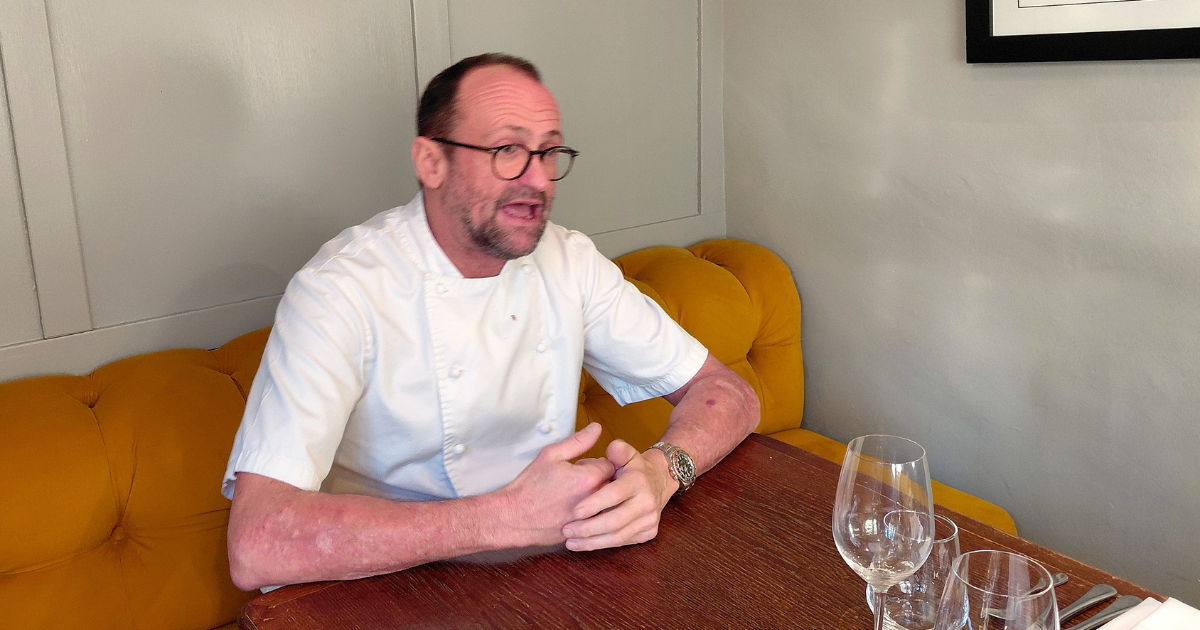
“You can’t do this alone”
Foster: What does support look like in today’s hospitality landscape?
For Daniel Smith, support begins with ownership, not just of property, but of responsibility.
He said: “I’m really working on the business as much as in it, leading the team and looking at the future."
After navigating financial liabilities, a fire, and the Covid-19 pandemic, Daniel speaks candidly about resilience. During lockdown, he pivoted quickly, launching an online meal ordering system that sold up to 250 meals a day, proving that adaptability and supplier collaboration can carry a business through crisis.
He is equally clear about the daily reality: “I sell myself as a full-time psychiatrist, part-time businessman, occasional chef.”
Behind the humour lies a serious message: leadership in hospitality means supporting your team emotionally as well as operationally.
Kevin Mangeolles echoes this sentiment from a different perspective. At The Neptune, support extends beyond the kitchen doors.
“People will always need to eat.”
Inspired by his grandmother’s advice, Kevin built a restaurant grounded in personal relationships, particularly with producers.
“Good food depends on good produce. I get asparagus from a grower who used to wash up for me. He now turns up with beautiful produce (and cherries from his three cherry trees!). There’s a story behind the food, and I love that. It’s personal, not transactional.”
He prioritises paying suppliers promptly, understanding the pressures small producers face. That mutual respect creates stability on both sides of the pass.
Support, in Norfolk, flows both ways.
Honouring ingredients and working with the people who produce them
Foster: Why is seasonality and producer partnerships so central to what you do?
Respect for ingredients and for the people who produce them is shared across all chefs featuring in the Norfolk Chef series.
Daniel describes his culinary ethos simply:
“It’s about honouring quality ingredients and not overcomplicating things.”
Luxury produce such as black truffles or high-grade beef is treated with restraint, allowing flavour to lead.
Kevin shares a similar philosophy:
“Buy the best ingredients and don’t overcomplicate them.”
At The Neptune, menus evolve organically with the seasons. Mussels are only served when at their best. Asparagus arrives when the local grower says it is ready, not when a calendar demands it.
This patience reflects a wider understanding for natures seasons, micro seasons and sustainable sourcing. It also builds strong local networks, which helps to sustain the economy and community it serves.
Norfolk’s hospitality success is built on these partnerships. Chefs, fishmongers, butchers, and growers each play their part in a shared ecosystem. It’s great to see this practise in this region, and many others across the UK.
Personally defining success for their restaurants
Foster: What does achievement look like in today’s industry?
After nearly two decades at The Neptune, 17 of which he’s held a Michelin star for, Kevin’s pride lies in repeat bookings, welcoming visitors from near and far, and the knowledge that guests feel comfortable and cared for.
“Success is staying in business and having customers return.”
For Daniel, success is not defined solely by accolades, though he has earned many, but by longevity and sustainable growth.
“A Porsche 911 is not the pinnacle… but it’s a sustainable product.”
He likens his restaurant to the iconic car: reliable, high-performing, and built to last. The goal is not fleeting glory, but a busy, thriving restaurant with guests returning and staff developing careers.
In both cases, hospitality is framed as a lifestyle, one that integrates personal life, community engagement, and long-term thinking.
A sector worth celebrating
Chef’s Corner was launched to shine a light on restaurant’s stories, not just of beautiful food, but of resilience, collaboration, and pride.
What becomes clear through conversations with Daniel and Kevin is that Norfolk’s hospitality community is not defined by competition, but by mutual support. Equipment suppliers, local producers, and fellow restaurateurs all play a role in maintaining standards and sustaining businesses which attract customers to the region.
There is also a shared optimism. Despite staffing pressures, rising costs, and limited government support, these chefs continue to innovate, mentor teams, and elevate the dining scene.
Hospitality is about far more than plates of food. It is about livelihoods, training future talent, supporting rural economies, and creating experiences that bring people together.
As Kevin’s grandmother wisely put it, people will always need to eat.
Norfolk’s chefs ensure they do so memorably, and they do so together.
To discover more stories from Norfolk’s kitchens, explore the Chef’s Corner campaign here and follow the journey on LinkedIn.