Hospitality trends for 2026: Carbs, early dining and the return of the human touch


With a new year approaching, The Staff Canteen peers into its crystal ball and examines five trends set to shape hospitality in 2026.
A crush on carbs
After years of demonising carbs, 2026 will be the year we all fall in love with bakery again, says Zoe Plant, NPD and innovation manager at The Food Works.

“Think French toast, loaded crumpets, sweet focaccia, crepes, pancakes and waffles. Affordable and universal.”
This trend isn’t limited to sweet treats, however, bread is very much in the spotlight with forward-thinking restaurants like The Ledbury in London and Kota in Cornwall adding elaborate bread courses (breads served with custom-made butters and oils) to their menus.
As noted in our trends review in July there has been a resurgence in independent artisan bakers and specialist bread shops, like KNEAD, opening around the country.
In September, chef Tom Sellers announced his business HiStory Hospitality had acquired Gwyn’s Bakery in Horsham. The bakery’s artisan breads are now served at London restaurants, Restaurant Story, Story Cellar, and Dovetale.
Meanwhile, Bagel brand B Bagel, which opened its seventh site in London in October, is working towards a goal of 20 sites by 2030.
“This year, we’ve seen phenomenal growth in all revenue channels,” says founder Yoav Baumgarten. “Over the next year, our focus will shift from expansion to strengthening the foundations of the business, ensuring we continue to deliver the experience our customers know and love.”
Early dining
If you aren’t open all day, or haven’t yet shifted your dinner service to start earlier than 6pm, you need to pay attention. Diners are no longer vying for an 8pm reservation, they want supper sooner. Up to three hours earlier, according to reports.
In the first six months of this year, Londoners made 11 per cent more restaurant reservations at 6pm and 10 per cent more at 5pm according to data from OpenTable. The trend is showing no sign of changing as we move into 2026.
It’s not restricted to London, either. Tomás Gormley, chef-owner of Cardinal in Edinburgh, noticed a shift towards earlier dining this year: “When we opened, our 5 to 6.30pm slot was usually quiet; now it’s often our busiest period,” he says.
“It actually works well for us. In the kitchen, a strong start creates a more focused, energised service. When guests trickle in slowly until 7.30 or 8pm and then arrive all at once, it can be a shock to the system after a slow beginning.”

Creative uses of budget ingredients
Trends can be cyclical and this one will certainly bring about déjà vu among those working in kitchens during the credit crunch of 2008/9. Working with cheaper cuts of meat, making use of the whole animal and using seasonal ingredients that are in abundance were methods adopted by chefs back in 2008 to remain profitable.
As we head into 2026, with chefs and restaurants grappling ongoing rising ingredient and energy costs while trying to attract cash-strapped consumers, we’ll see them embracing these methods again, but arguably with a more creative twist.
“Think char siu, pastrami, pibil, croquetas and mincemeat,” says Zoe Plant, NPD and innovation manager at The Food Works, citing a trend forecast at thefoodpeople's 2026/27 Annual Food & Beverage Trend Summit.
Restaurants currently tapping into the trend of using cheaper cuts, or making meat go further, include A. Wong and Three Uncles (char siu); Temper (pibil tacos) and Bar Kroketa (croquetas made with chicken, mustard and chicken skin).
MasterChef 2020 winner Thomas Frake, now operator and chef at The Silks pub in Wiltshire, predicts ‘an explosion in offal and mince dishes’ and vegetables used to bulk out dishes.
He also thinks chefs will move away from the use of luxury flavourings like ‘exotic pastes, purees, truffle and micro herbs’ and will return to ‘classic flavours’ like garlic, onion and garden herbs.
His own thrifty examples include The Silks’ Wiltshire pork and apple pie, using apples from its garden and cider from the taps.
“We use home grown, traditional herbs for flavouring included sage, rosemary, mint and thyme from our garden.
“We even use beer from all the drip trays to make our house bread and beer batter, and our chocolate fondant is made using a reduced stout syrup.”
Small tweaks
The cost-of-living crisis has impacted the industry with consumers cutting back when they dine out (the emphasis being on when) and operators have had to get inventive with their offerings to bring them through the door and encourage them to part with their cash.
‘Menu engineering’ was a buzzword of 2025 and the practice will continue to dominate through to 2026, but this coming year there will be a greater emphasis on making small tweaks that could make a big difference.
Examples include offering cocktails in place of desserts; stripping back tasting menus to fewer courses and serving more wines by the glass, so customers don’t have to commit to a whole bottle.
“We’ve already seen diners swapping pudding for an after-dinner cocktail, and that’ll continue,” says Will Hickton, head chef at The Club House, in Dorset.
“It’s part of a broader move towards lighter, more flexible dining. Guests want to linger, but they don’t necessarily want a full three-course structure.
“Drinks that blur the line between food and cocktail, think dessert-inspired serves or low-alcohol digestifs - fit perfectly into that shift.”
Introducing cocktails to the dessert menu has also been a hit at The Kirkstyle Inn and Sportsman’s Rest in Northumberland, where a ‘flat white espresso martini went down very well’ according to head chef Connor Wilson. He also notes a trend for ‘far smaller menus’ in 2026.
“Most restaurants at the higher end of gastronomy are offering only one set tasting menu already, but I think more casual restaurants will move to menus offering only three choices,” he says.
“I think those who offer only one tasting menu will also start to offer a shorter version of it as well for diners that want a shorter experience.”
The return of the human touch
The Oxford Dictionary definition for hospitality is ‘the friendly and generous treatment of guests and strangers’ a concept everyone who works in this industry is familiar with. But stretched teams and the march of technology have made it harder to deliver hospitality as designed.
This coming year there will be a renewed focus on getting to the heart of hospitality.
“2026 will be the year restaurants lean into ritual over routine,” says Will at The Club House. “People are still going out to eat, but they want more than a plate of food, they’re looking for an experience that feels thoughtful and sensory.”
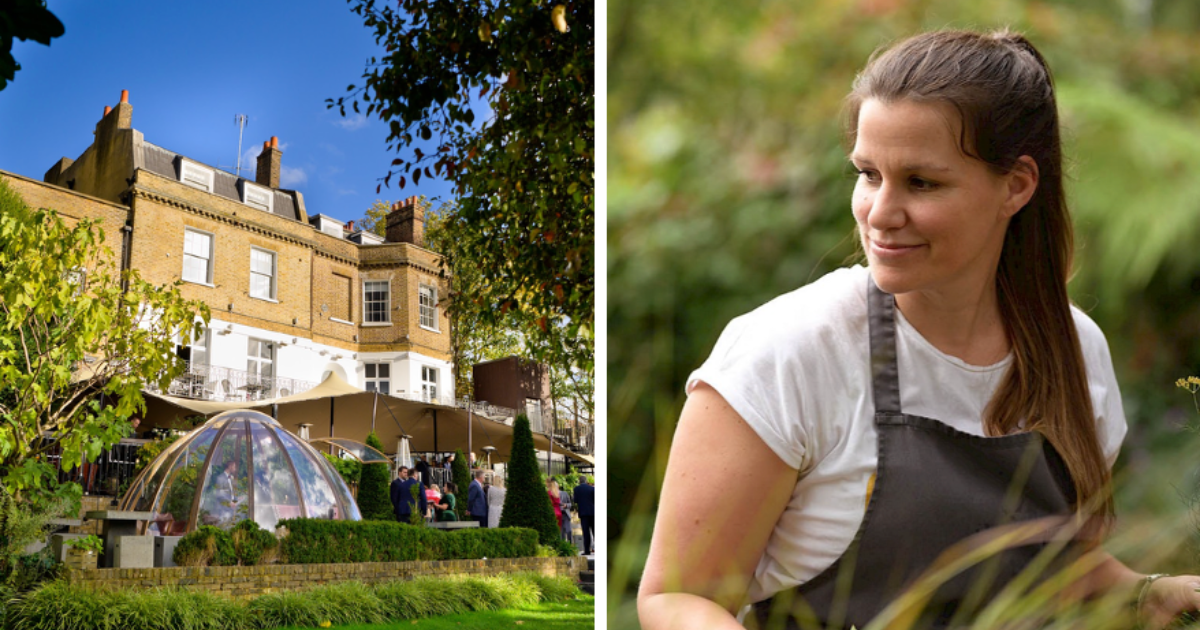
"People are looking for a home from home feel,” adds Vanessa Marx, executive chef at Bingham Riverhouse in London’s Richmond, where staff are regularly trained to focus on guest experience. “A place where they feel a sense of belonging and warmth - a personal touch, in a time where everything seems automated."
(Written by Emma Eversham)

For 18 years, The Staff Canteen has been the meeting place for chefs and hospitality professionals—your stories, your skills, your space.
Every recipe, every video, every news update exists because this community makes it possible.
We’ll never hide content behind a paywall, but we need your help to keep it free.
If The Staff Canteen has inspired you, informed you, or simply made you smile, chip in £3—less than a coffee—to keep this space thriving.
Together, we keep the industry connected. Together, we move forward.
Support Us
CONTRIBUTE

Hospitality trends for 2026: Carbs, early dining and the return of the human touch


