Trends review: What’s been hot in hospitality in 2025?


As we reach the halfway point of 2025, we review the predictions made at the start of the year to see what’s been setting the hospitality industry alight, plus take a look at what’s coming next.
When standing on the precipice of a new year it’s easy to make a bet on which trends we’ll be following over the next 12 months, but unless you’re a dedicated follower of fashion, how do you know if predictions made at the start of the year have come true?
In this feature we’ll check in with the trends the chefs and industry visionaries said would be taking 2025 by storm to see how they’re shaping up, and look at what’s still to come.
Culturally-curious diners fuel interest in Southeast Asian cuisine
Asked for their predictions back in January, Tim Dela Cruz, head chef at Smiths of Smithfield Restaurant and Benny Lee, head chef at Omboo at Sopwell House, both foresaw the rise of Southeast Asian cuisine.
Tim told us to ‘prepare for a surge of Southeast Asian flavours with Filipino and Vietnamese dishes leading the way’ and there has been strong evidence that his prediction has come true with a growth in concepts showcasing food from these countries and those of their neighbours.
We’ve seen established groups such as Banana Tree, the 21-strong group with a menu panning ‘the very best of Thailand, Singapore, Vietnam, Indonesia, and Malaysia,’ expand their estates (the group’s first site in Wales opened in Cardiff last month), while smaller players like Vietnamese Kitchen ramped up expansion of its Saigon street food brand Kêu with the opening of a fourth site in London earlier in the year.
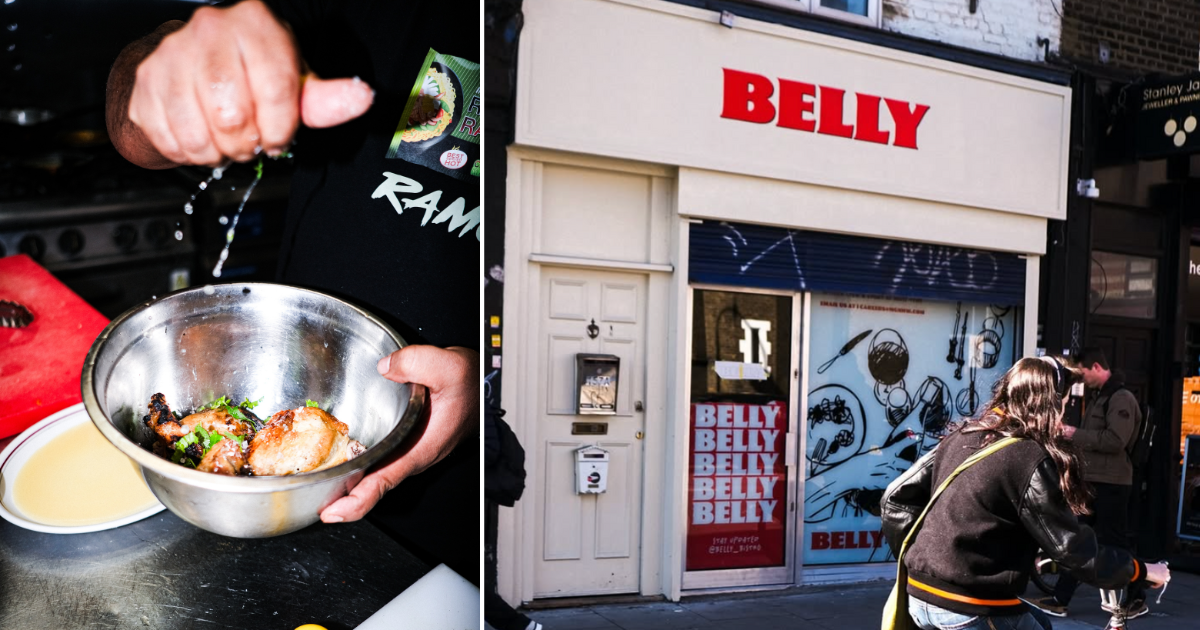
Omar Shah’s Maginhawa Group – renowned for redefining Filipino cuisine in the UK, recently opened Belly, a Filipino/European restaurant, in London’s Kentish Town. This latest outpost joins the group’s Filipino-based concepts such as Filipino/Japanese ramen bar Ramo Ramen and Filipino ice cream parlour Mamasons.
Omar says the demand comes from ‘well-travelled and culturally-curious’ diners who are more open to trying new foods, thus making emerging concepts more viable.
“We’re also seeing a wider shift in how people eat. It’s no longer just about flavour, diners want meaning, history, and identity on the plate. Filipino cuisine offers all of that. It’s layered, diverse, and deeply personal. I think the timing feels right, not just because people are ready to eat it, but because they’re ready to understand it.”
The pipeline of eateries showcasing Southeast Asian cuisine continues. This month, restaurateurs Graham Rebak and Adam Wilkie will open a second outpost of HUŎ, a concept featuring dishes from China, Thailand, Malaysia and Singapore, in Belsize Village.
The second site follows the first in Chelsea and will run alongside its sister restaurants ULI in Notting Hill and Marylebone, which all feature dishes created by Nepalese head chef Yam Gurung.
Maxim Vostretsov of Sense Asia, supplier of Vietnamese coffee brand Mr Viet, has watched this rapid growth with interest.
“We've noticed several new openings and have also talked directly with people planning to launch new venues,” he says, noting growing interest in the Vietnamese coffee and dried fruits he imports.
“This growing demand definitely reflects a deeper desire among chefs and restaurateurs to offer authentic experiences,” he adds. “People discovered Vietnamese cuisine, loved it, and now they're craving even more authenticity. It’s fascinating to think about how many layers this interest could reveal.”
Trade embraces alternative proteins
The plant-based trend has travelled an interesting
path over the last few years. More recently chefs and consumers have moved away from cooking and eating processed mock meat type products to favour more natural forms of non-meat and fish protein.
At the start of the year, chefs and suppliers put their money on alternative proteins like beans and pulses. “We’ll see a rise in more lentils and lesser-known grains as an alternative source to meat, fish and poultry,” envisioned Vivek Singh, CEO and executive chef of the Cinnamon Collection.
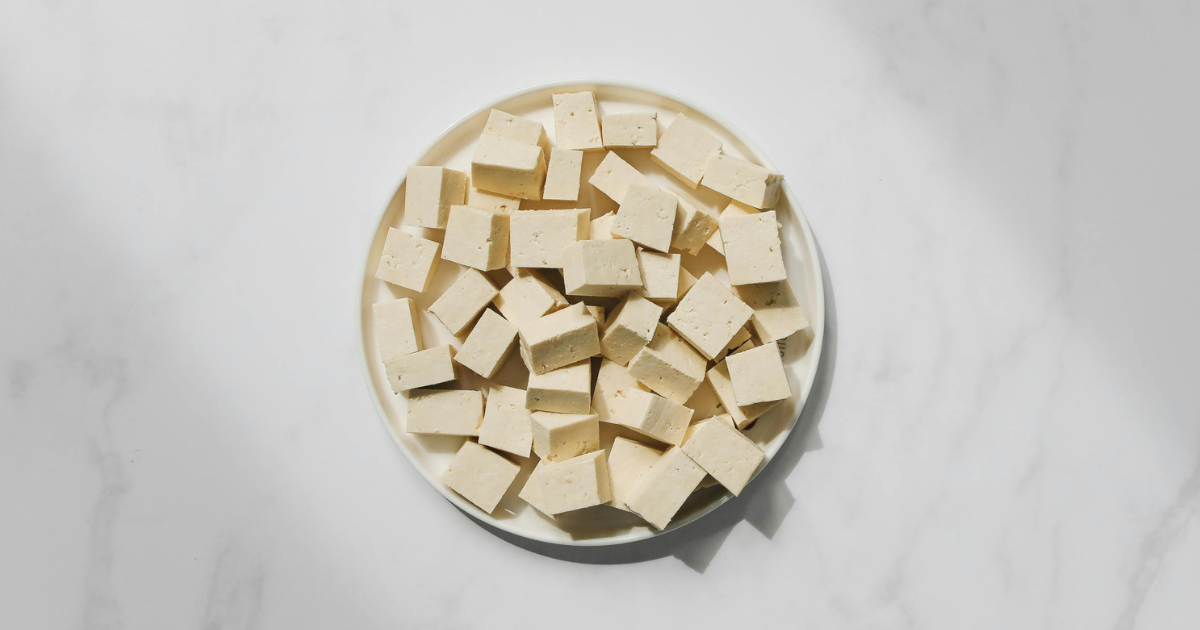
It’s not just beans and pulses that are taking up space on menus, chefs and restaurants are seeking other natural protein sources to star in dishes, says Lawrence Hill, head of foodservice at The Toofoo Co.
“While there’s been much discussion around plant-based meat alternatives, the real surge we’re observing – and actively participating in – is in the demand for natural, whole-food alternative proteins like tofu and pulses.”
The tofu brand Lawrence represents, which leads the way in UK retail, has seen demand for its product accelerate in foodservice this last year with major chains such as Wagamama, The Alchemist and Island Poke among those selecting it for menus.
“Chefs value our tofu for its extra-firm texture, which genuinely requires no pressing, saving valuable prep time in busy kitchens. Its remarkable ability to absorb marinades and flavours also makes it a chef’s dream,” he says.
With the heat being put on ultra processed foods from health campaigners, there is a growing shift from consumers towards foods in their purest form. This is likely to mean growing interest in dishes featuring recognisable ingredients like lentils, beans, seitan and tofu which is made from three organic ingredients – water, whole organic soya beans and nigari (a natural coagulant derived from seawater) – as we move through the second half of the year and beyond.
Bakery interest rises
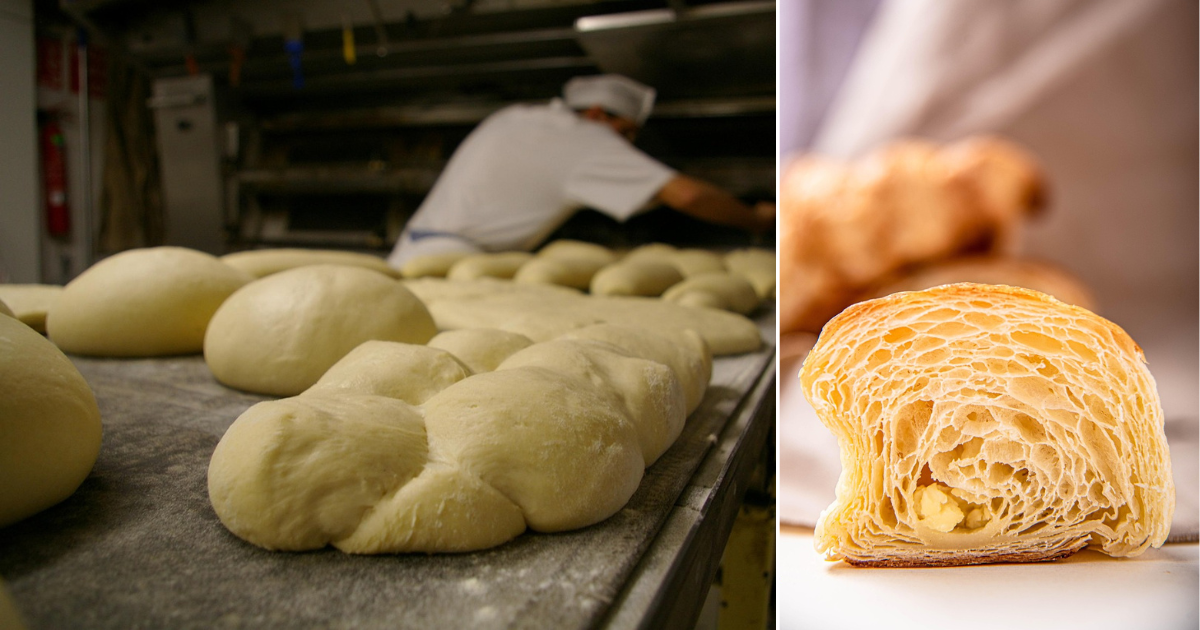
No-one predicted the rise of artisan bakeries at the start of the year, but dough not be mistaken, this is one rising trend to watch.
While bakery chain Greggs saw sales slow down at the start of the year, it’s been a different story for independent bakeries and patisseries.
Whether its bakery tourists heading to far-flung locations to pick up the perfect pastry who are fuelling the trend, or there’s simply a growing demand for decent bread, there’s no denying that the UK is becoming a hotspot for baked goods with bakeries and specialist patisseries popping up on high streets around the country.
They’re doing pretty well, too. Topping La Liste’s Best Pastry Shop category this year was Claridge’s Artspace Café led by chef Thibault Hauchard.
Also included on the list is high street bakery KNEAD. The business, founded by The Baker Boys, John Hawes and Kris Biggs, opened its fourth site in Oxford last month.
John believes the growing interest in bakeries – and the success of KNEAD and others like them - is down to a shift in consumer habits, caused in part by the economic downturn.
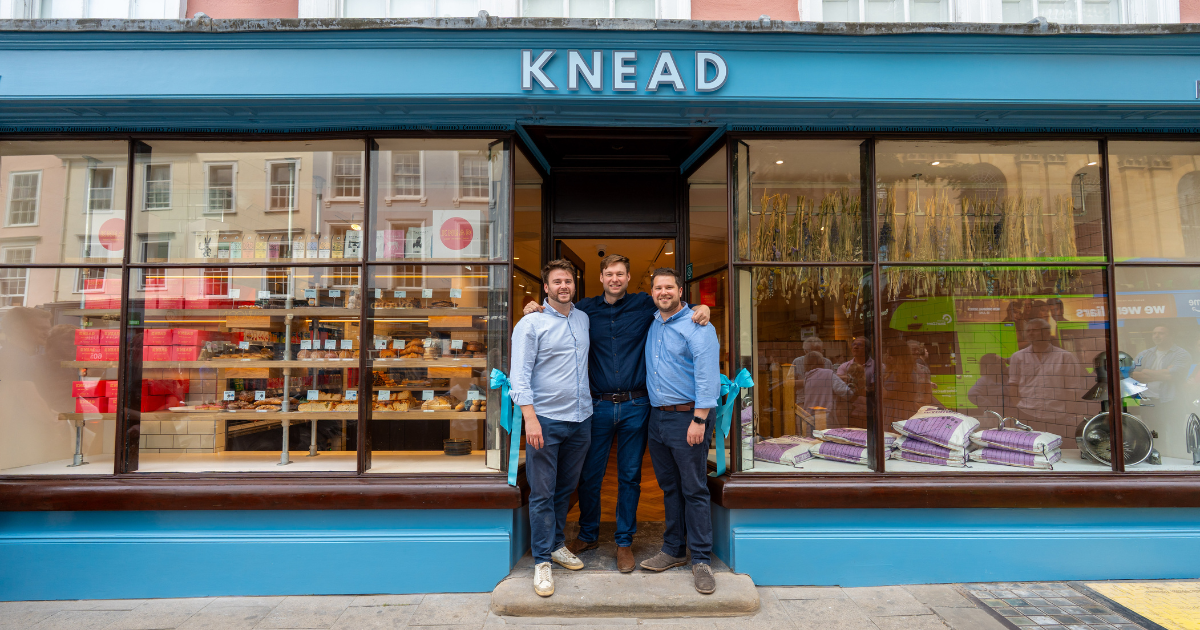
“I think people are moving their routines from a daily pint down the pub into a daily coffee and croissant,” he says. “They don’t have the same budgets that people used to have and want the convenience and speed a local bakery can provide.”
From a work perspective, the pair, who met as pastry chefs at Whatley Manor, also believe bakeries provide a better work/life balance than traditional kitchens and give pastry chefs more freedom to experiment.
(Written by Emma Eversham)

For 18 years, The Staff Canteen has been the meeting place for chefs and hospitality professionals—your stories, your skills, your space.
Every recipe, every video, every news update exists because this community makes it possible.
We’ll never hide content behind a paywall, but we need your help to keep it free.
If The Staff Canteen has inspired you, informed you, or simply made you smile, chip in £3—less than a coffee—to keep this space thriving.
Together, we keep the industry connected. Together, we move forward.
Support Us
CONTRIBUTE
Trends review: What’s been hot in hospitality in 2025?


