Why some chefs refuse to run Veganuary specials


Despite Veganuary’s visibility, many chefs choose not to run Veganuary specials. The decision is rarely ideological. It is more often rooted in the logic of the menu and the promise the restaurant makes to guests year-round.
In operations built around a clear identity - whether tasting menus, produce-led cooking, or a specific cuisine - January-only dishes can feel like an interruption. Chefs spoke about protecting consistency: the guest should understand what the restaurant is, regardless of the month.
Several chefs also noted that vegetable dishes were already embedded in their menus. In those cases, the kitchen’s stance was simple: vegetables should not need a campaign to be taken seriously.
Veganuary as visibility, not instruction
Some chefs framed Veganuary as a marketing mechanism that can be useful without being definitive.
Ritchie Stainsby said: “I do see Veganuary as a marketing move, but I think it's super important to do that - you have to market things that are more niche.”
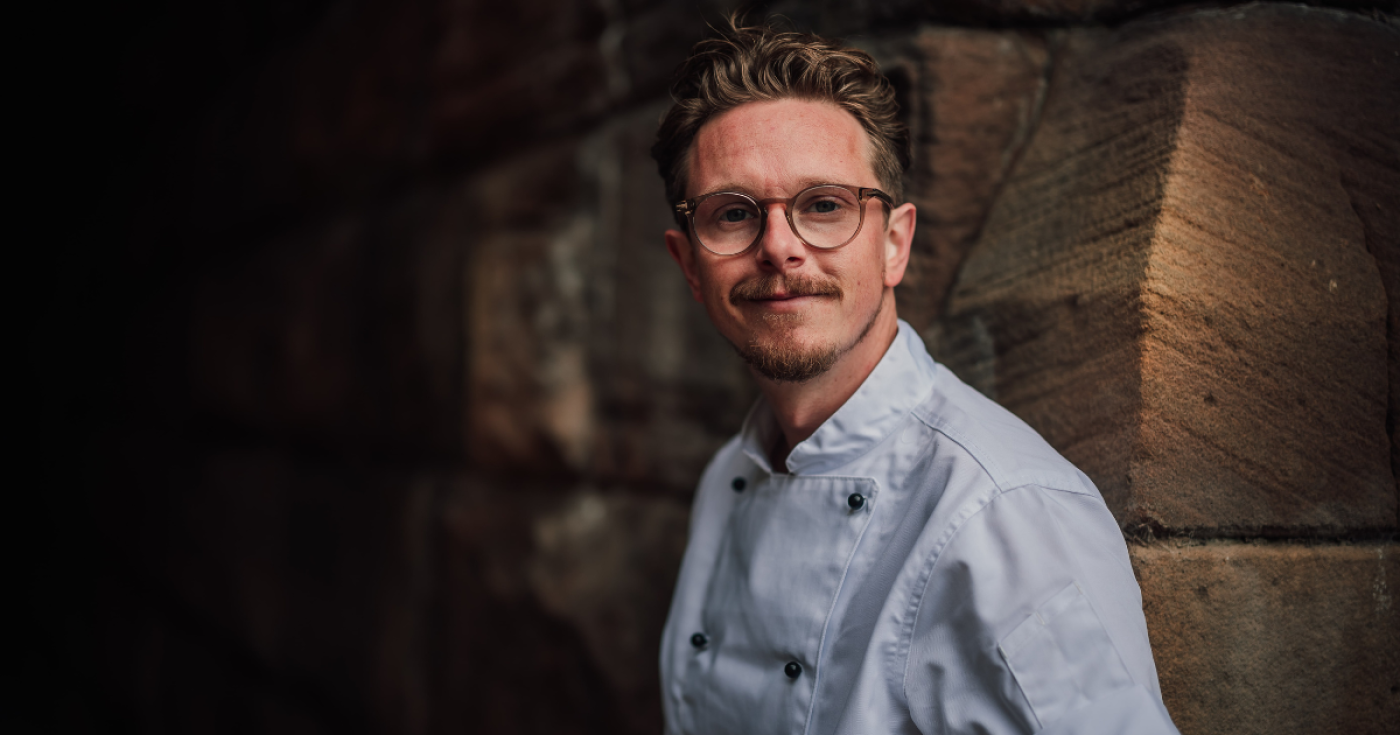
In this view, Veganuary is a tool: it creates a reason for diners to look again, to try a dish they may not otherwise order, or to engage with vegetables in a more deliberate way. The risk is not the visibility; it is the temptation for kitchens to treat the month as a box-ticking exercise.
Chefs know that if a restaurant runs Veganuary specials, they should be developed with the same seriousness as any menu change - tested, costed, and executed properly - not rushed out because January ‘expects’ it.
Avoiding tokenism and protecting standards
A repeated concern was tokenism: dishes that read as replacements, rather than dishes that stand on their own.
There were also operational reasons to avoid specials. If the kitchen introduces new dishes without allocating time for training and repetition, standards can slip. In January, when teams can be lean and morale can be fragile, chefs were wary of adding complexity for
limited payoff.
Ultimately, the chefs who opted out of specials framed it as confidence: if your menu already reflects your cooking philosophy, the best choice may be to keep doing it - consistently, without relabelling.
Commercial realities in January
January remains commercially sensitive. Menu changes carry costs: development time, additional mise en place, potential waste from unfamiliar ingredients, and more pressure during service. For some operators, that is a hard trade-off in a month when covers are uncertain.
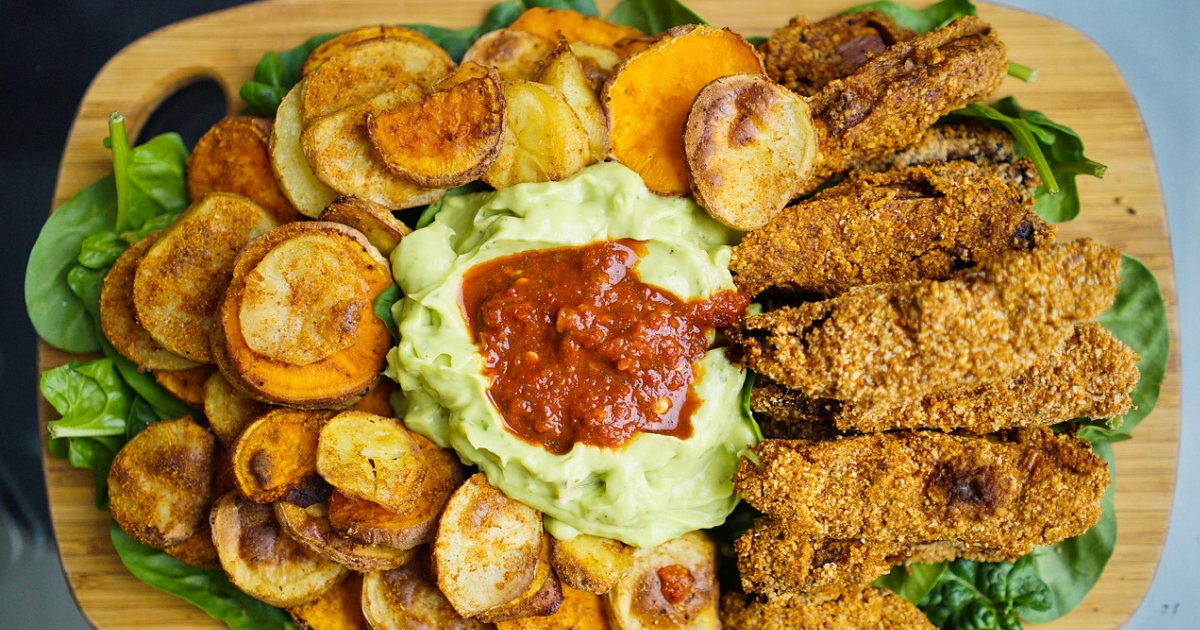
Where Veganuary specials did appear, chefs said they worked best when they were small, deliberate interventions: one dish, properly executed, rather than a full menu rework that strains the brigade.
In practice, the most reliable way to protect quality is to build clear section ownership. When vegetable plates are treated as a primary section responsibility, with dedicated mise en place and a defined finishing sequence, consistency improves quickly. Where they are shared informally between sections, the dish often becomes vulnerable to last‑minute substitution, rushed seasoning and inconsistent plating.
Chefs also pointed out that January is when procurement discipline matters most. If your vegetable cookery depends on a narrow set of items, availability and quality swings can be felt immediately. Building flexibility into a dish - by designing it around a technique and a flavour profile rather than a single variety - helps the kitchen adapt without reprinting menus or compromising the guest experience.
'Communication test'
From a leadership perspective, Veganuary is also a communication test. When the pass is clear on why a dish exists, what it should taste like and how it should be described, the brigade executes with more confidence. When the rationale is vague, the dish can quickly feel like an add‑on, which tends to show in the final plate.

For 18 years, The Staff Canteen has been the meeting place for chefs and hospitality professionals—your stories, your skills, your space.
Every recipe, every video, every news update exists because this community makes it possible.
We’ll never hide content behind a paywall, but we need your help to keep it free.
If The Staff Canteen has inspired you, informed you, or simply made you smile, chip in £3—less than a coffee—to keep this space thriving.
Together, we keep the industry connected. Together, we move forward.
Support Us
CONTRIBUTE
Why some chefs refuse to run Veganuary specials


