How Khadim Mané is opening doors through Senegalese food


Khadim Mané’s story is one of inspiration – both in terms of his own journey and what he is looking to do for future generations.
Arriving from Senegal in 2010, Khadim has started up his own food business and now runs a successful restaurant Little Baobab, out of The Africa Centre in Southwark, London, which he is looking to expand on.
Alongside that, the chef also runs free training programmes, with a desire to provide opportunities to people who would otherwise be unable to afford such an experience.
A free route into hospitality
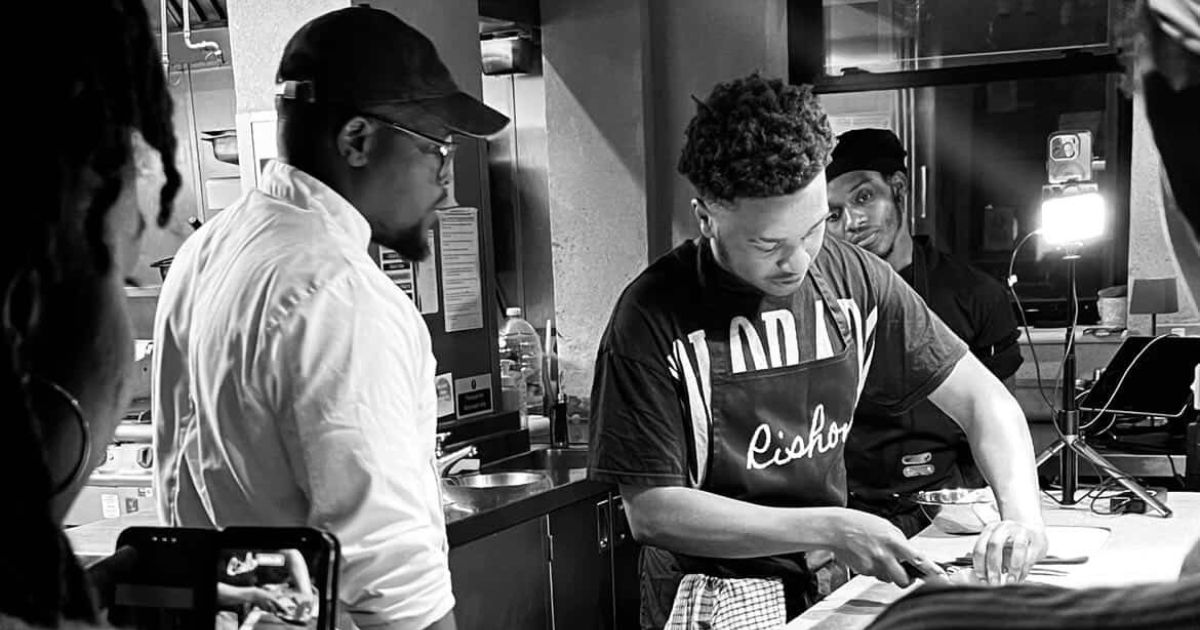
“From the beginning, I was saying it’s really important to give back,” Khadim told The Staff Canteen.
“I could see that a lot of young kids around me were saying they wanted to learn how to cook, but they did not have the possibility to pay for chef schools and chef training.
“I had the space and the time, why not share the knowledge I have with those young kids?
“Anyone interested can come to the Little Baobab family. When I get something in my head, I try to make it happen.
“The programme is a mix of things I have learned through my own journey, combined with West African cuisine, techniques, ingredients, culture and history.
“It is not only about teaching people how to cook a dish. It is also the story, about explaining where the food comes from, how it ended up being here, for example how the Portuguese influenced it.
“For me, it is very important that young people understand the food.”
He continued: “It is completely free. I wanted it to be free because I know what it feels like when you want to learn but you cannot afford the training.
“When I came from Senegal to London, I did not speak any word of English.
“I met a Moroccan guy who saw something in me and helped. I did so many festivals with him.
“That is how I started cooking for people, doing birthdays, small events and then building towards Little Baobab.
“I worked hard for it, but was lucky because someone saw something in me.
“So now, when I see young people who want to learn, I want to show them it is possible.”
Training young chefs
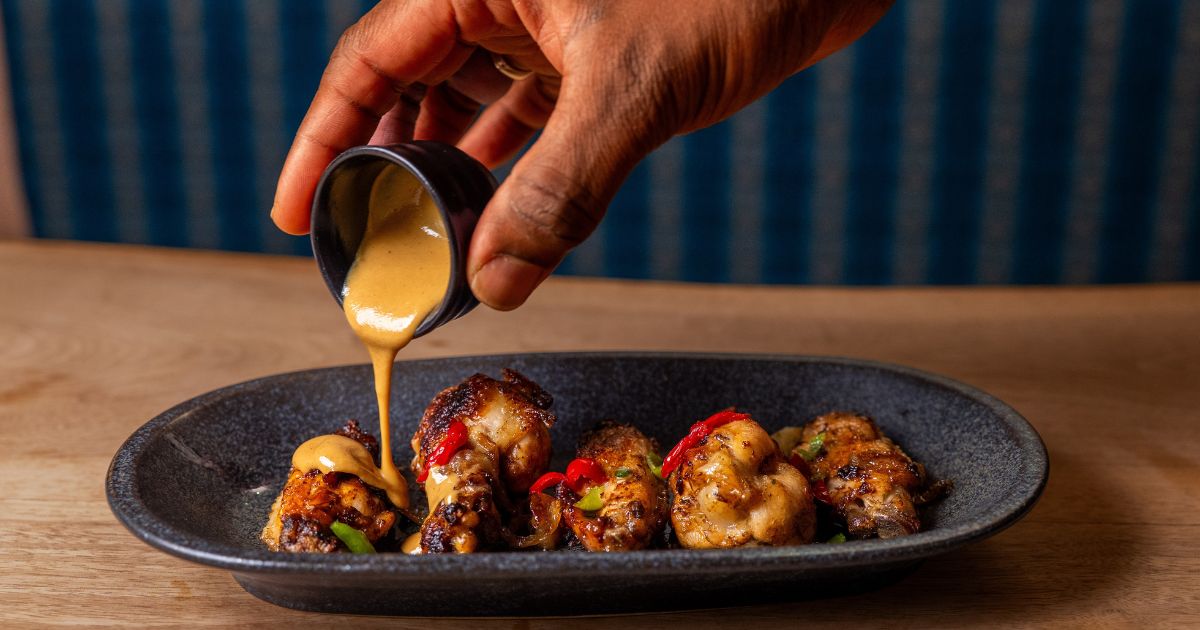
The six-week training courses for 18 to 30-year-olds of all backgrounds, which also includes paid-for health and safety courses, have been a big hit, selling out well in advance, with 10 students taken on at a time.
“I would be happy to take 20, but the space is not big enough,” Khadim said.
“There is already a waiting list, so the demand is there.
“The students are really committed. From the first group, six of them are now working with me in some way. Three are working in the restaurant and others help at festivals or during holidays when they are free from university.
“The idea is not only to train them and then leave them. It is to give them experience, job opportunities and contacts.
“If they want to take the next step, they can talk to me or I can introduce them to friends who have got a restaurant and they can follow their own journey.”
Building Little Baobab from scratch
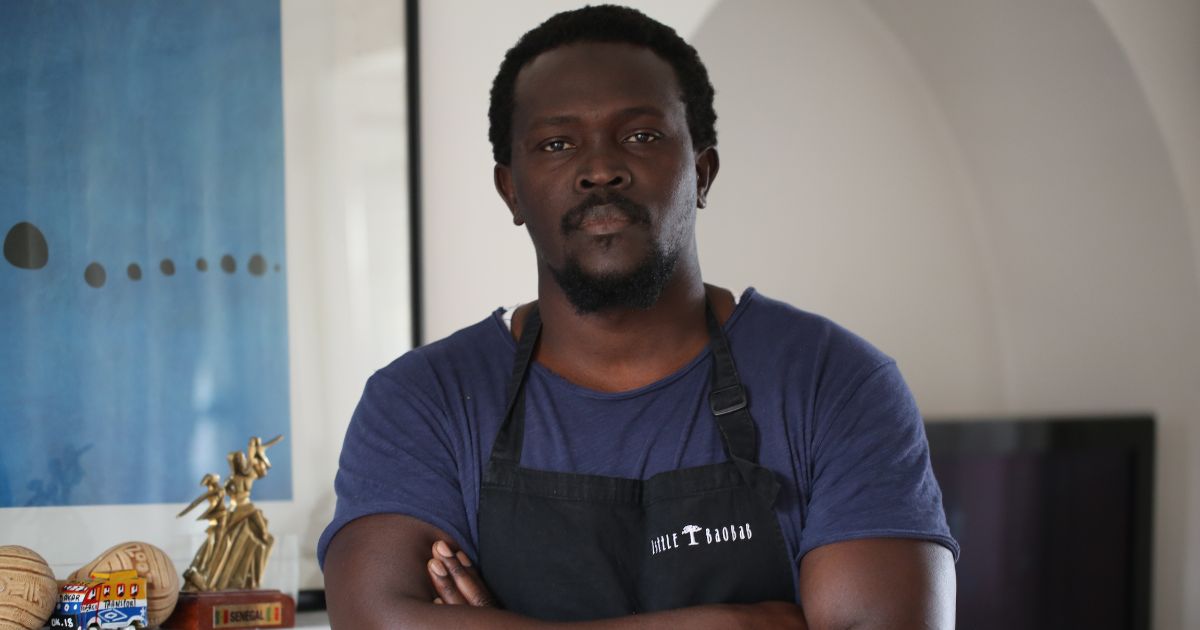
Khadim’s inspiring story saw him progress from helping out at festivals to building a restaurant from the ground up.
“It is hard building things from scratch,” he explained.
“I had loyal customers and anywhere I would go for the pop-up or festival, they would follow me.
“It’s always hard to be seen, especially by people that don’t know Senegalese food. It’s different if you go to France, Spain or Italy, compared to the UK. People will say ‘Senegalese food? I have never had that’.
“There’s a lot of times you push yourself to be there, but the visibility I have had recently has helped.
“Before the restaurant, I did five years of pop-ups where I was hiring a place once a month and doing food and live music.
“Then in the summer, I’d do festivals like Glastonbury, WOMAD, We Out Here and Secret Garden, so you get seen more.
“When we came to The Africa Centre, other companies had tried and did not last very long because the footfall is not great here.
“When I started here, because of a small following I had, it helped a lot. The live music I played too put me in a good position.
“At first, the contract was for two years, but now they want me to continue and expand.”
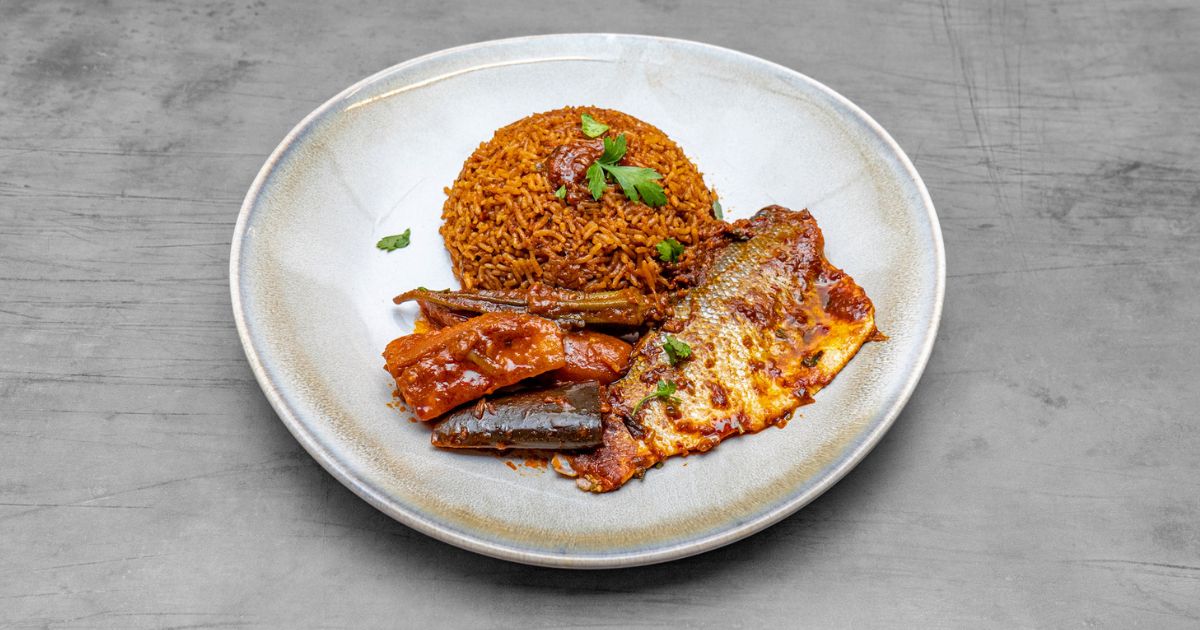
What is Senegalese food?
Asked how he would best describe Senegalese food, Khadim said: “Everything is fresh, we don’t use spices.
“You eat the food, you feel happy and you don’t stop smiling.
“People have heard African food is just heat. It’s not that, because I always give people a choice.
“When they come, I have my own chilli sauce, so you can add it on your food to go get that kick.
“But I cater for everyone. If you come to my restaurant, you see there’s a great mix of people here, and food suit for vegans, vegetarians, meat lovers, for everyone.
“That fresh ingredients we’re using make a big difference, because we have something called nokoss – our secret touch.
“It’s like a paste of fresh garlic, ginger, green pepper and spring onion and as you cook, you build the flavour with that.
“If you go to Senegal, you find that there.”
Changing perceptions of West African food
The London dining scene is becoming increasingly diverse, from street food level all the way up to the Michelin Guide.
“It’s moving really, really fast,” said Khadim.
“You can say this has been in past three to five years. I always say thank you to Nigerian and Ghanaian people, they are an English speakers, and they’re having a fight always about who makes the best jollof rice.
“It originated from Senegal, so we don’t need to be a part of that fight!
“We have a two-Michelin-starred West African restaurant now (Ikoyi). That is something really, really big, to be in that position.
“London is great because people are really willing to try everything. If they don’t like it, they’re not going come back, but if they like it, you will see them again.
“Now they have more trust and more confidence in going to an African restaurant and trying that.
“Things are really changing.”
Khadim Mané and Little Baobab: key facts
Chef: Khadim Mané
Restaurant: Little Baobab
Location: The Africa Centre, London
Cuisine: Senegalese / West African
Focus: Senegalese food, live music, community and hospitality training
Training programme: Free chef training programme for young people
Programme size: 10 students per term
Purpose: To give young people practical kitchen skills, work experience and confidence to enter hospitality
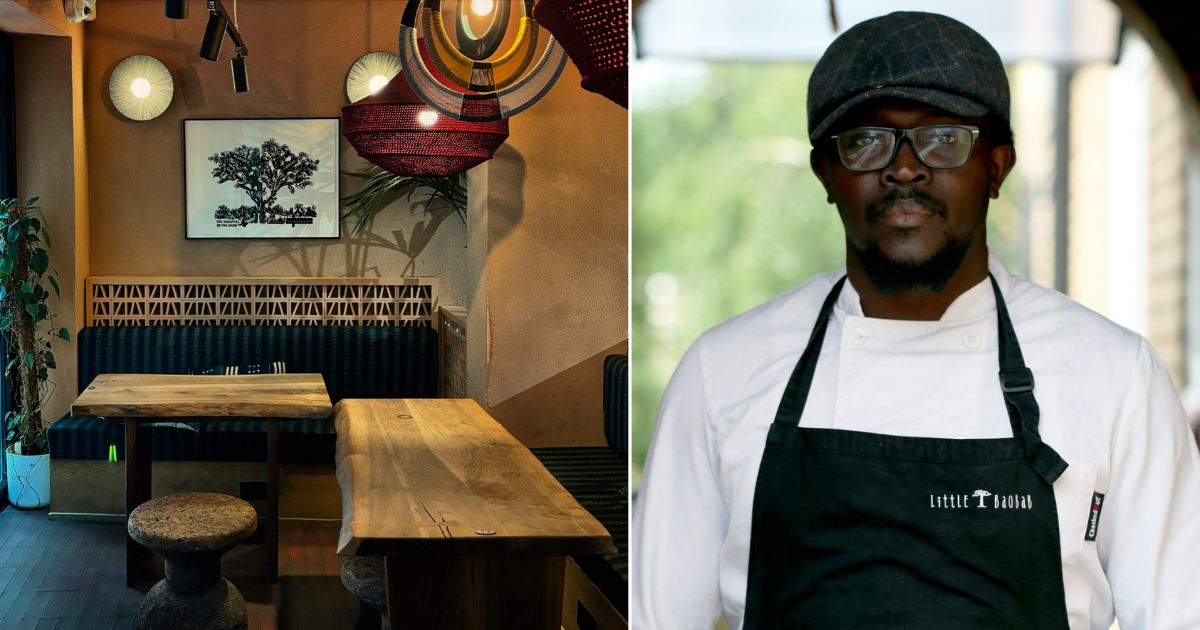
The future of Little Baobab
Looking to the future, Khadim added: “In less than three years I want to have my own home to expand the business and also the Little Baobab family, which is the school I’m doing.
“If there’s more Senegalese food around, I’m happy for that as well.
“Some people say about Senegal, even the ambassador, they come to me and say I’m the first one who put that in place here in London, in showing people the Senegalese culture.
“It’s something really important, to represent where you come from.
“That’s my vision – and that if say Senegalese cuisine, you say Little Baobab first.”
He continued: “For young people, I want to keep the training free.
“For adults, we can do paid one-off cooking classes, and that money can help support the free training for young people.
“I work with Migrateful, a charity helping asylum seekers and migrants, and we had 52 chefs there in Holborn and they have a cookery school there.
“In the future, I would love to have a proper community space where we can do more.”

For 18 years, The Staff Canteen has been the meeting place for chefs and hospitality professionals—your stories, your skills, your space.
Every recipe, every video, every news update exists because this community makes it possible.
We’ll never hide content behind a paywall, but we need your help to keep it free.
If The Staff Canteen has inspired you, informed you, or simply made you smile, chip in £3—less than a coffee—to keep this space thriving.
Together, we keep the industry connected. Together, we move forward.
Support Us
CONTRIBUTE

How Khadim Mané is opening doors through Senegalese food


