the introduction of lighter dishes to allow diners to finish their meals.
"As well as drastically reducing appetite, the fat jabs also slow digestion, which has the effect of restaurant diners feeling full very quickly and unable to finish their plate” she explains.
Indeed, GLP-1 diners will certainly be avoiding the traditional three-course menu, so restaurants must flip the switch on their usual approach, says Toby.
“Think modular rather than fixed,” he suggests. “Menus that allow guests to build their own experience; choosing one or two standout dishes rather than committing to everything, are incredibly empowering. Most importantly, make it feel intentional, not like an afterthought.”
Nutrient-dense dishes
For restaurants serious about serving diners with limited appetites, Dr Sarah suggests featuring ‘nutrient-dense’ ingredients, such as lean proteins, vegetables and whole grains and including fermented foods, like kimchi, sauerkraut, miso, kefir.
“Fermented foods provide live cultures, acidity and freshness, which can help make dishes feel lighter, boost palatability, and support overall gut comfort, this is particularly important for diners who may experience slower digestion,” she explains.
She also advocates ‘gentle cooking methods’ like steaming, grilling and poaching and avoiding overly rich or greasy sauces that could trigger nausea.
One chef who has already put this approach into practice is Jack Stein. Last Christmas, the chef director of Rick Stein Restaurants was challenged by CheqUp to create a menu for its festive pop-up restaurant Seasons Eatings.
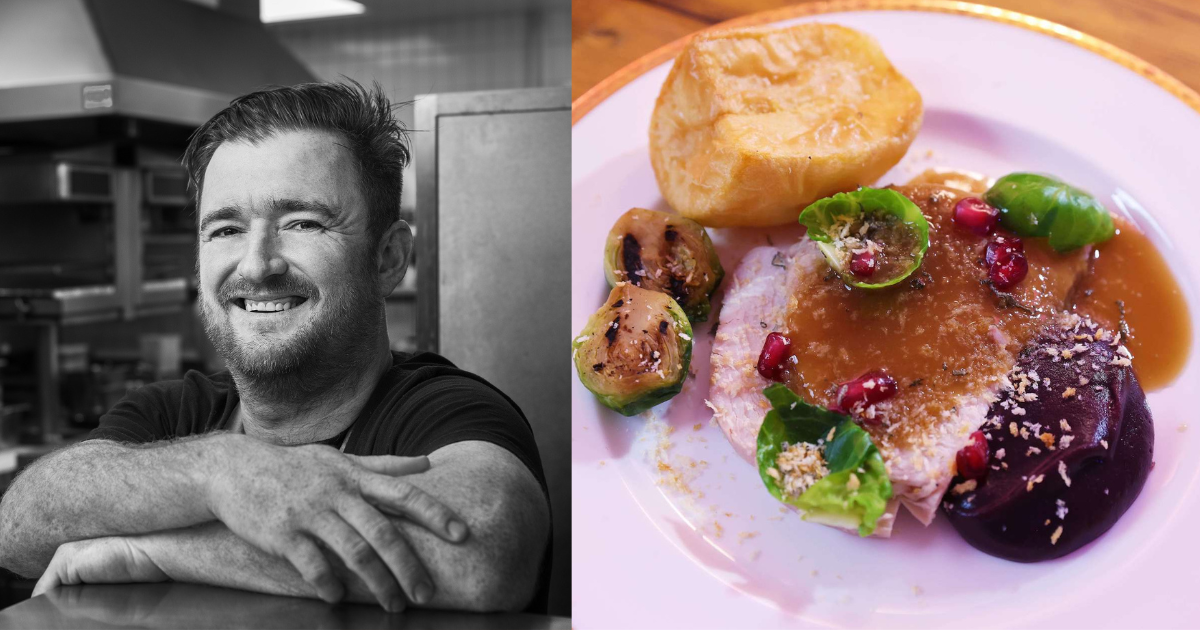
Jack reimagined the traditional Christmas dinner, creating a calorie-controlled menu that included canape starter options of cured salmon, yuzu dressing and wasabi crumb, or beetroot, pickled shallot and sesame dust, and a main course of poached turkey breast with red cabbage purée, charred sprouts, lemon–sage crumb, roast potatoes, soy-mustard mushroom gravy & pomegranate, or a vegan option of miso-glazed roasted celeriac with glazed tempeh and red wine, cranberry & marmite.
Dessert was a dark chocolate mousse with burnt orange zest while the vegan option was dark chocolate clementine bites with pistachio and sea salt.
"The real challenge is making sure everyone feels part of the meal, whatever they eat,” he says.
"For me, that’s where the fun begins - finding ways to make dishes full of flavour, colour, and generosity for every plate. Using things like black vinegar, soy, miso, or citrus to add depth and balance without relying on butter or cream.
“We used ingredients like lean turkey, oily fish, cruciferous vegetables and citrus to help with satiety and digestion, while the smaller plates meant [diners] could enjoy every flavour without overdoing it.”
Inclusive dining
The key takeaway for any chef or restaurateur looking to attract diners taking GLP-1 medication is to make their approach as inclusive as possible. Diners on a weight-loss journey don’t want to stand out, or feel like a burden, says Toby, so make it easy for them to be included.
“A lot of it comes down to removing pressure,” he adds. “Our recent research around Christmas eating behaviour found that almost a quarter of people on a medical weight loss journey tell us they feel uneasy discussing their appetite at the table, so restaurants shouldn’t rely on guests having to explain themselves.”
Training front-of-house staff to discreetly offer small portions and offering doggie bags as standard to remove pressure to finish a meal could also help, suggests Dr Sarah.
But principally, a considered menu featuring appealing dishes for those with diminished appetites, whether they’re lighter starters that can double as mains, optional sides, or desserts designed to be shared, will stand any restaurant in good stead, says Toby.
“Not everyone wants or can manage a large three-course meal, so giving permission, through menu design, to eat less without it feeling awkward is important.”
Written by Emma Eversham