Understanding Australian work culture in hospitality


Understanding how Australians work is essential for chefs moving to or starting careers in the country’s hospitality industry.
Australia combines global professionalism with a relaxed, collaborative attitude - kitchens run efficiently, but respect, balance, and inclusivity are deeply valued.
Strong workplace standards, clear communication, and the Fair Work framework ensure that chefs are treated fairly while still being part of fast-paced, creative environments.
At a Glance
- Average working week: 38–50 hours
- Key values: teamwork, respect, balance
- Legal foundation: Fair Work Act 2009
- Popular shift culture: four-day rosters and split shifts
- Kitchen hierarchy: collaborative, less rigid than Europe
The Australian Kitchen Hierarchy
Most professional kitchens in Australia follow a familiar structure - apprentice → commis → demi → chef de partie → sous → head chef. Yet, the hierarchy is used more flexibly than in Europe or the UK. Titles matter less than capability, and collaboration often replaces strict command.
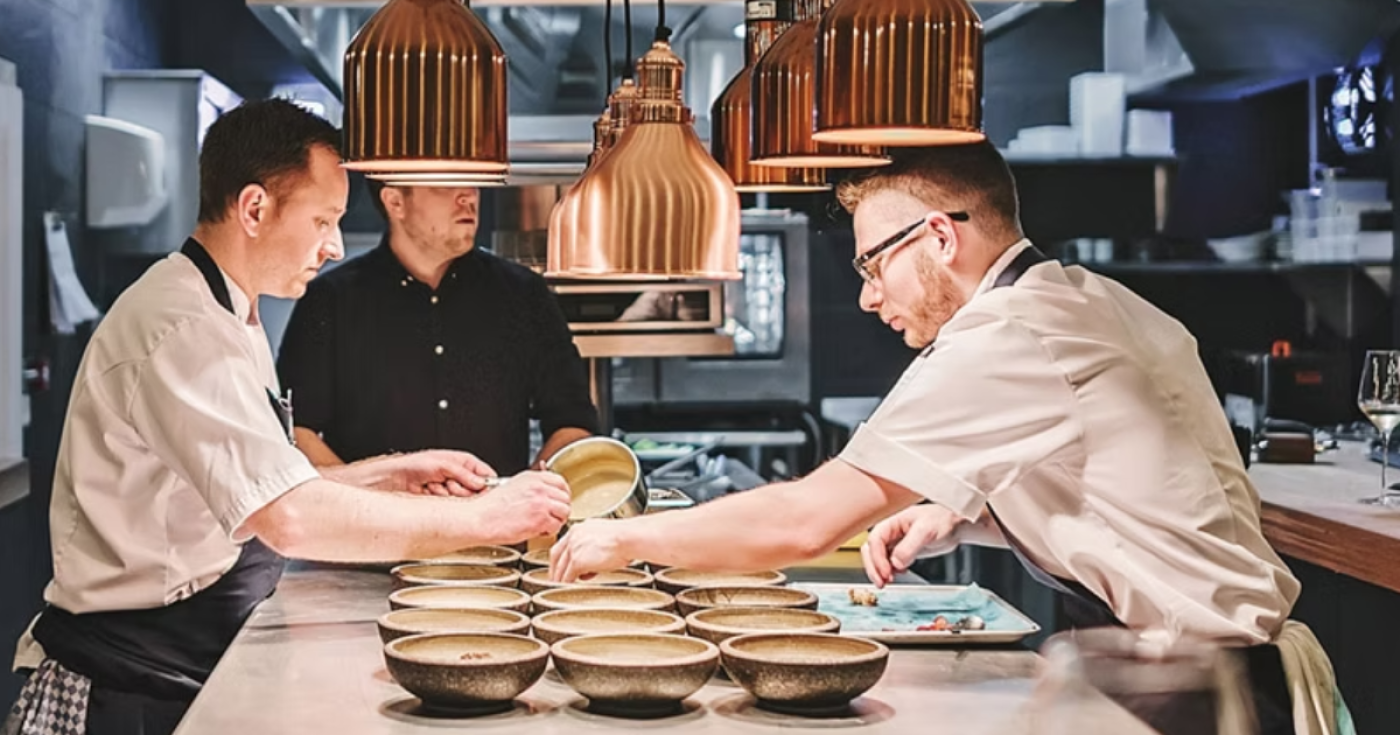
Chefs are encouraged to share ideas, contribute to menu development, and take ownership of their sections regardless of seniority. In fine dining and large hotels, traditional structures still exist, but communication tends to be more open. It’s common for Head Chefs to jump on the pass or help with prep during peak service, reinforcing the “we’re all in this together” mindset that defines the Australian kitchen.
Communication and Team Values
Australian kitchens are renowned for their easygoing but professional atmosphere. Clear communication, informality, and humour are core to how teams function. Respect runs both ways — junior chefs are expected to speak up, and leaders are encouraged to listen.
With multicultural teams the norm, inclusivity and understanding are critical. Chefs from the UK, Europe, and Asia often note how approachable Australian Head Chefs can be. Leadership is typically based on mentorship rather than authority, with feedback delivered constructively. Many venues promote open-door cultures where personal wellbeing and teamwork are prioritised alongside culinary standards.
Working Hours and Rosters
The standard hospitality week in Australia is 38 hours, as set out by the Fair Work Act 2009, but most full-time chefs work closer to 45–50 hours, especially in fine dining or resort environments. Split shifts remain common, but many modern venues now adopt four-day rosters to promote balance. Public holiday and weekend penalty rates are a defining feature of the Australian system.

Under the Hospitality Industry (General) Award [MA000009], chefs receive higher pay for late nights, Sundays, and public holidays. Time-off-in-lieu (TOIL) arrangements are also common for salaried staff who work beyond rostered hours. Regional differences exist — in coastal or rural areas, rosters may follow seasonal demand, while major cities often maintain stable full-time contracts.
Fair Work, Rights and Responsibilities
Every chef employed in Australia is protected by the Fair Work framework, which sets national standards for pay, overtime, annual leave, and workplace safety.
Key entitlements include:
- Award Pay Rates: Legal minimum wages by position and experience level.
- Overtime & Penalty Rates: Higher pay for evenings, weekends, and holidays.
- Annual Leave: Four weeks paid leave per year (plus leave loading in some cases).
- Superannuation: Employers must contribute 11% of your salary to a retirement fund.
- Payslips & Transparency: Employers are legally required to provide detailed payslips showing all entitlements.
For official information, visit:
• Fair Work Ombudsman – fairwork.gov.au
• Australian Taxation Office – ato.gov.au
Work-Life Balance and Lifestyle
Many chefs move to Australia seeking a better balance between career and quality of life. The culture values downtime just as much as dedication. Shorter commutes, strong coffee culture, and outdoor living help offset long kitchen hours. Progressive employers now offer four-day work weeks, mental-health support, and structured breaks.
Staff meals are standard, and venues often provide flexible rosters around family or study commitments. Weekends at the beach, hiking trails, and barbeques are part of everyday life - a contrast to the long, relentless shifts common in parts of Europe or Asia.
Diversity and Inclusion in Australian Hospitality
Australian hospitality thrives on diversity. Kitchen brigades frequently include chefs from the UK, New Zealand, India, Korea, Japan, and across Europe. Gender representation continues to improve, supported by initiatives such as Women in Hospitality (WOHO), founded in Sydney to promote mentorship and equal opportunity.
There’s a growing emphasis on professional respect between front- and back-of-house teams. Collaboration across service, wine, and kitchen teams has become a defining strength of the Australian dining experience. Mentorship is another key theme - senior chefs actively support apprentices through formal training programs, with government-funded apprenticeships helping new cooks enter the trade.
Final Thoughts
Understanding Australian work culture helps chefs integrate quickly, avoid misunderstandings, and thrive in a system built on fairness, teamwork, and respect. Kitchens may be fast-paced, but they’re also inclusive, forward-thinking, and committed to balance.
For those planning a move or already working in Australia, embracing this culture is the key to building a successful and rewarding career. Stay connected through The Staff Canteen Networking Lunches and follow TSC Australia for interviews, insights, and upcoming events that celebrate the country’s vibrant chef community.

For 18 years, The Staff Canteen has been the meeting place for chefs and hospitality professionals—your stories, your skills, your space.
Every recipe, every video, every news update exists because this community makes it possible.
We’ll never hide content behind a paywall, but we need your help to keep it free.
If The Staff Canteen has inspired you, informed you, or simply made you smile, chip in £3—less than a coffee—to keep this space thriving.
Together, we keep the industry connected. Together, we move forward.
Support Us
CONTRIBUTE
Understanding Australian work culture in hospitality


