Where chefs thrive: The best Australian cities for culinary ambition


Australia’s restaurant and hospitality industry has evolved into one of the most competitive and creative dining ecosystems in the world.
For chefs, the choice of city shapes everything: ingredient access, training opportunities, kitchen culture, cost of living and potential career growth.
Five destinations consistently stand out as the country’s strongest culinary centres: Melbourne, Sydney, Brisbane, Adelaide, and Hobart. Each offers a distinct mix of opportunity, lifestyle and produce access, catering to different ambitions within the professional kitchen.
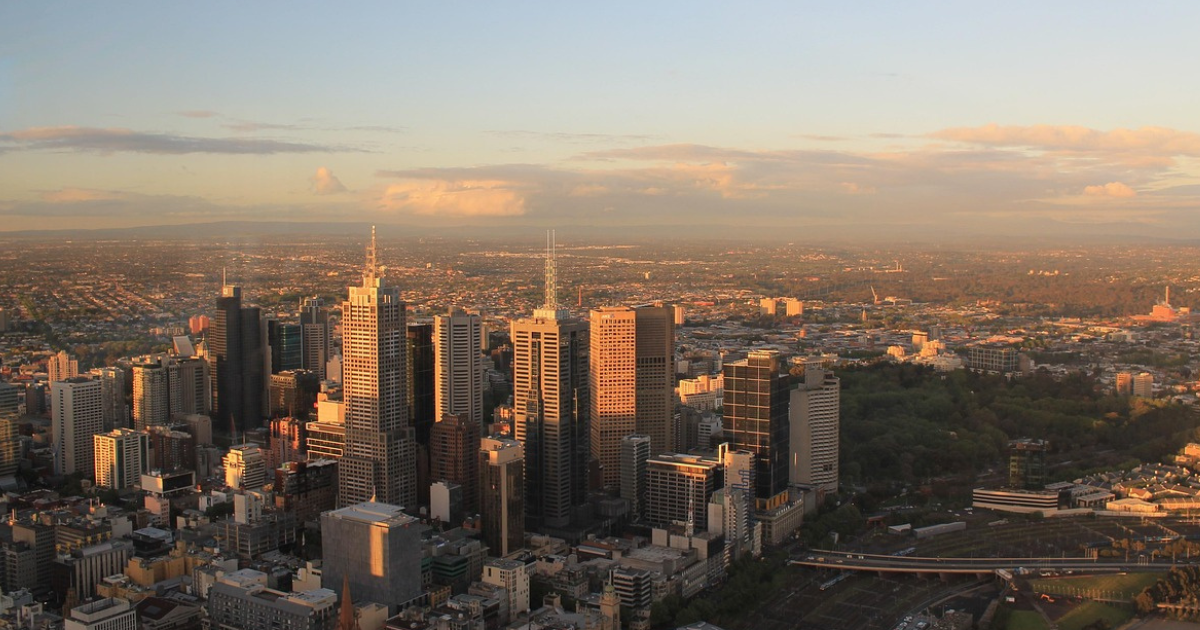

Melbourne, Victoria
A Culinary Capital Built on Creativity
Often described as the nation’s culinary epicentre, Melbourne is home to Australia’s densest concentration of high-end restaurants, independent cafés and chef-owned ventures.
According to Tourism Victoria, the city hosts more than 3,500 restaurants and cafés, serving over 70 national cuisines. Its global reputation has been strengthened by venues such as Attica and Vue de Monde alongside a thriving casual and brunch scene.
The city’s location gives chefs unparalleled access to premium produce — from Gippsland beef and Yarra Valley dairy to Mornington Peninsula wine and Port Phillip Bay seafood. Victoria’s food and fibre exports exceeded A$17 billion in 2024, underlining the strength of its supply chain.
Melbourne’s hospitality culture also values individuality. Many chefs progress from commis to head chef faster than in larger global markets due to the density of independent venues and the city’s appetite for innovation.
Key strength: Creative freedom and diverse dining culture
Main challenge: High competition and elevated living costs
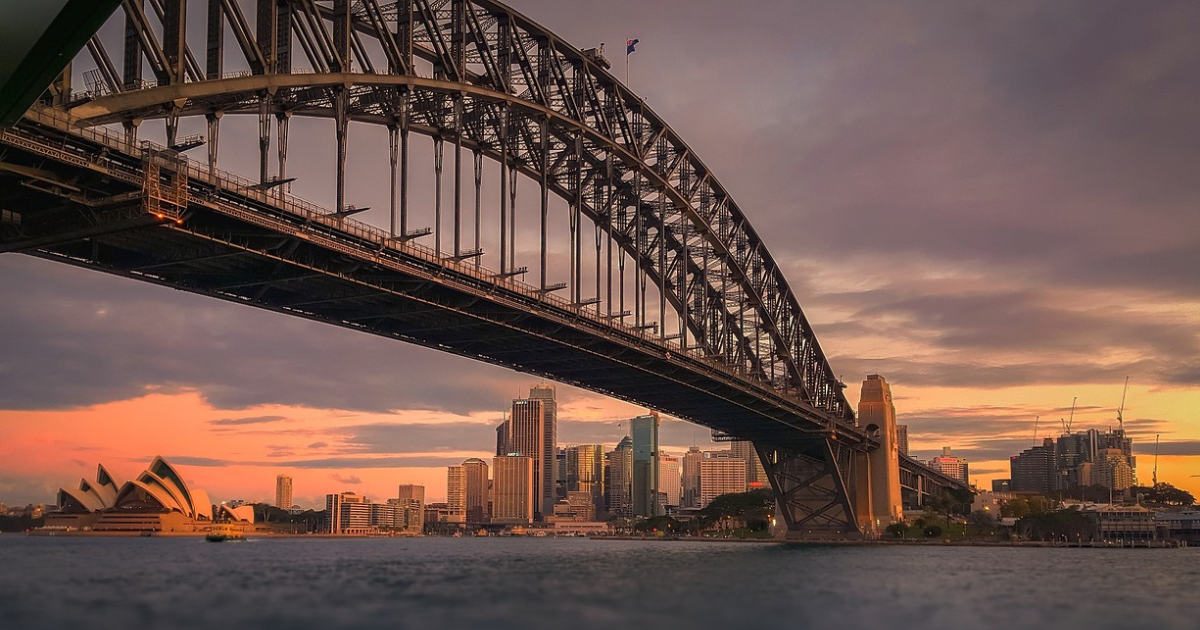
Sydney, New South Wales
Scale, Ambition and Global Exposure
Sydney combines a world-class restaurant scene with international tourism and a strong hotel market. The NSW hospitality sector employs over 300,000 workers, supported by consistent tourist inflows of more than 11 million domestic overnight visitors annually (Destination NSW, 2025).
From Quay and Bennelong to Sixpenny and Firedoor, Sydney’s fine-dining profile is unmatched nationally. For chefs, this environment offers the chance to work alongside global names, access large hotel kitchens, and experience multicultural menu design at scale.
However, the market is expensive and competitive. Commercial rents and wage pressures are higher than any other Australian city. Success often relies on joining established restaurant groups or developing a niche culinary identity.
Key strength: International exposure and career prestige
Main challenge: High cost base and intense competition
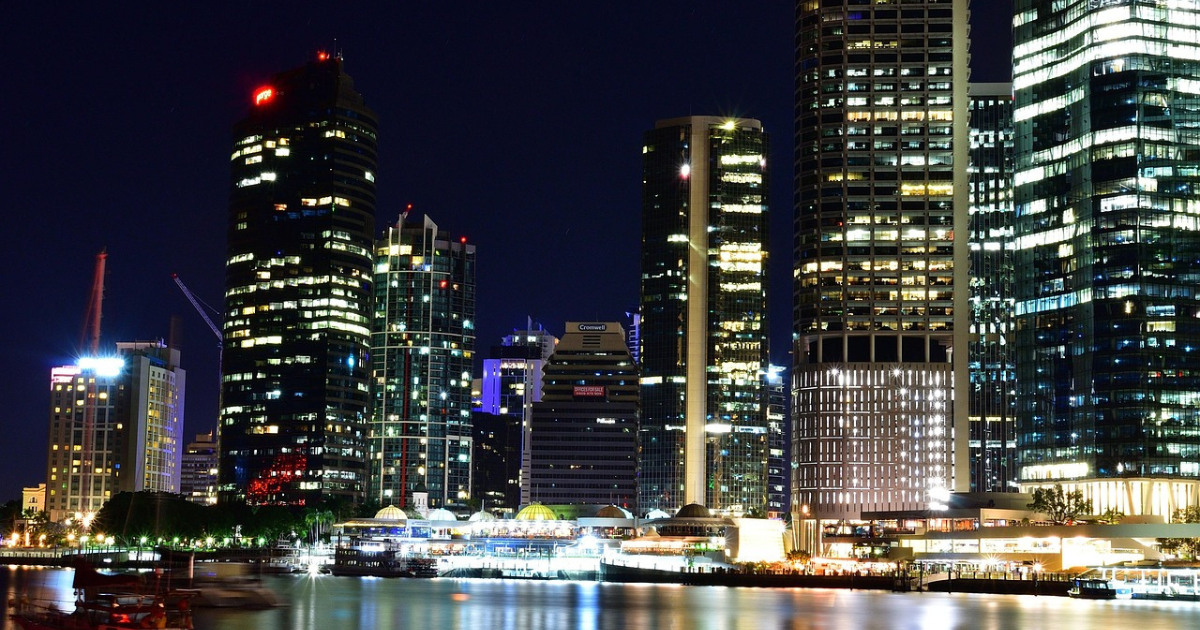
Brisbane, Queensland
Growth, Sunshine and New Opportunity
Brisbane has rapidly transformed from an under-the-radar market to one of the most exciting emerging food destinations in the country.
Brisbane’s visitor economy set records in 2024–2025, with spend and visitor nights surging as the city gears up for the 2032 Olympics - conditions that have

accelerated hospitality expansion and new kitchen opportunities
Venues such as Restaurant Dan Arnold, ESSA, Gerard’s Bistro, and Agnes have redefined the city’s fine-dining image, while coastal produce from Moreton Bay and the Sunshine Coast provides exceptional seafood access.
Brisbane’s lower operating costs, compared with Sydney or Melbourne, make it attractive for ambitious chefs aiming to open their own kitchens. Culinary education infrastructure is strong, with institutions such as TAFE Queensland and Le Cordon Bleu Brisbane supporting apprenticeship routes.
Key strength: Lower entry costs and expanding fine-dining market
Main challenge: Smaller industry network compared with larger capitals
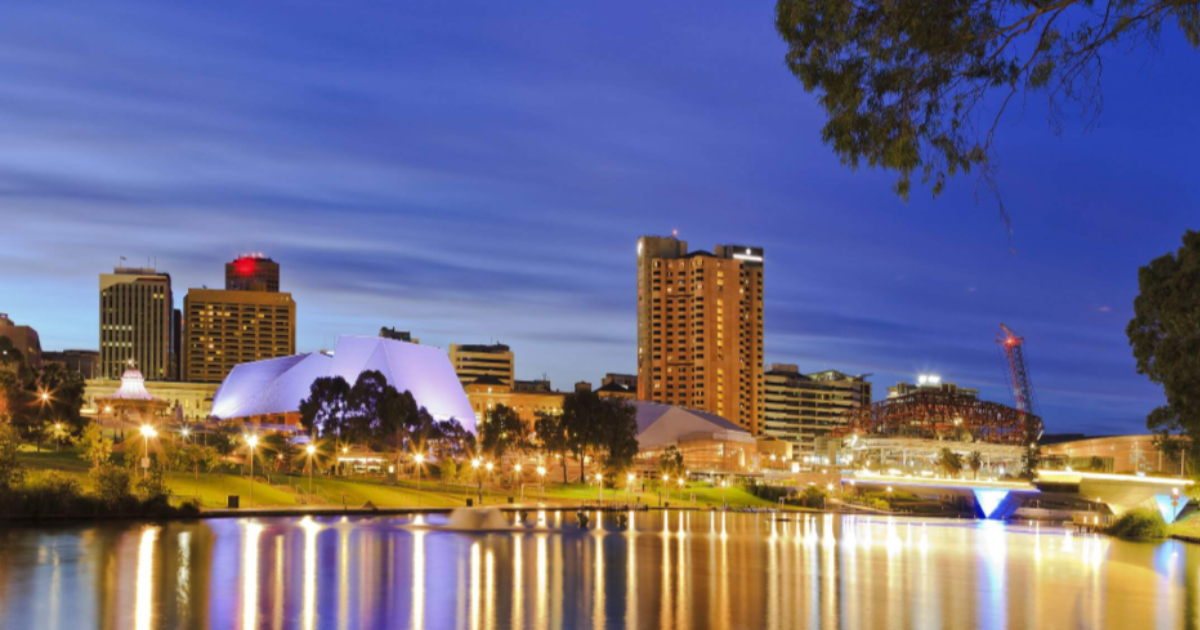
Adelaide, South Australia
Provenance, Wine and Manageable Scale
Adelaide has emerged as one of the most balanced cities in which to work as a chef. It offers manageable living costs, proximity to world-class produce and wine regions, and a strong sense of community among operators. South Australia produces around 80% of Australia’s premium wine exports, and many chefs collaborate directly with growers in Barossa Valley, McLaren Vale and the Adelaide Hills.
Notable restaurants such as Restaurant Botanic, Penfolds Magill Estate, and Aurora highlight a regional, produce-driven ethos that resonates globally. The city’s compact size encourages collaboration between chefs, suppliers and producers, fostering creativity without the competitive intensity found in larger capitals.
Key strength: Direct access to wine regions and seasonal produce
Main challenge: Smaller consumer market and limited international exposure
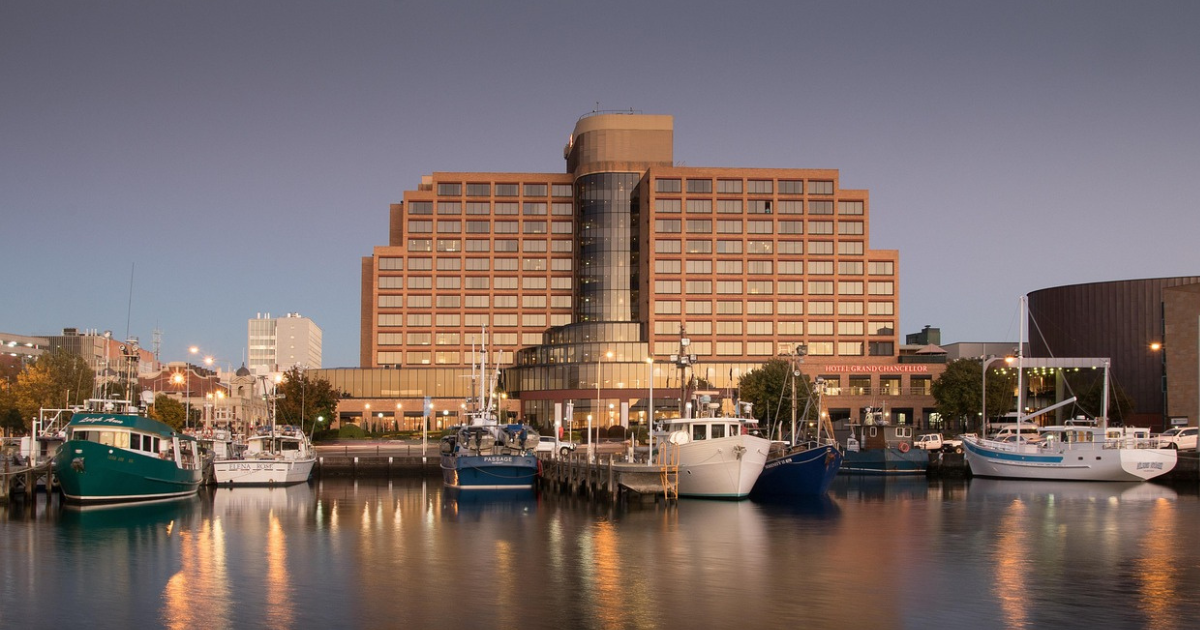
Hobart, Tasmania
Provenance-Led Dining and Destination Growth
Hobart has developed a national reputation for sustainability-led fine dining and provenance-driven menus. Tasmania’s cold-climate agriculture, aquaculture and artisan producers give chefs access to some of the cleanest ingredients in the Southern Hemisphere - including abalone, salmon, oysters, and dairy.
Restaurants such as Fico, Templo, Peppina, and The Agrarian Kitchen Eatery have elevated Tasmania’s culinary profile, while MONA’s influence on tourism has helped transform Hobart into a genuine destination city for chefs.
Tourism Tasmania reporting and recent government updates indicate the state is back around 1.3-1.35 million visitors (year to June), with food tourism a major driver
Key strength: Strong farm-to-table networks and culinary authenticity
Main challenge: Limited restaurant volume and remote logistics
Choosing the right city
Selecting the right base in Australia depends on professional ambition.
- For global fine-dining experience: Sydney or Melbourne.
- For entrepreneurial chefs building a concept: Brisbane or Adelaide.
- For sustainability-focused or produce-driven menus: Hobart.
Each city offers distinct advantages, but all share an emphasis on local sourcing, culinary innovation and high standards.

For 18 years, The Staff Canteen has been the meeting place for chefs and hospitality professionals—your stories, your skills, your space.
Every recipe, every video, every news update exists because this community makes it possible.
We’ll never hide content behind a paywall, but we need your help to keep it free.
If The Staff Canteen has inspired you, informed you, or simply made you smile, chip in £3—less than a coffee—to keep this space thriving.
Together, we keep the industry connected. Together, we move forward.
Support Us
CONTRIBUTE
Where chefs thrive: The best Australian cities for culinary ambition


