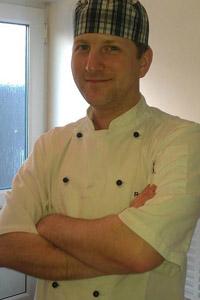
Robert Brown takes us through his personal experiences whilst being in the Culinary Industry. These key skills that young Chefs and industry professionals learn as part of their basic training.
How long have you been in the role?
2 and a half years.
What got you into cooking?
I have a strange reason for becoming a Chef. Originally I was going to become a music teacher as this was my passion, however I was in a number of bands and illegal substances were about and I failed to achieve my grades because of this; also my father kicked me out of home when he found out. I then found a YTS (youth training scheme) in catering and decided I would win my dad’s respect back, by making the best out of the opportunity. I kicked my habits and got my head down doing my NVQs and became a Chef.
When did you realise that this was the route for you and what was your first position?
My first position was as a trainee the day after my last GCSE exam. I had decided for the reasons above that I would embark on being the best Chef I could be. I was naturally of an artistic and creative mind so I became obsessed and threw myself into books and learning as much as I could.
When were you exploring your options was there someone of somewhere you could go to gain advice?
I had no avenues for advice, as none of my family had become or been Chefs.
Knowing what you know now would you go back and do anything differently?
I became a Head Chef at 21 I would love to go back and maybe spend a bit more time as a Chef de partie before going so high so soon, however it also
had its pluses in my maturity and how I now am very resilient to adversity.
As Executive Chef what does your role entail?
My role entails leading and nurturing a brigade of six, always inspiring them to meet their full potential. I also look after all catering operations, a one rosette restaurant pushing for two, a bar area for snacks, a Thai restaurant and weddings functions and breakfasts.
I am responsible for liaising between the owners and the staff, and keeping a positive attitude throughout about the success of the business.
How many years do you think it takes to get to this exec. level?
I believe it takes a lot of experience not just in Cheffing, but in personable skills, a minimum of 15 years but there is not a number really.
Has your experience always been in hotels?
I have worked in all sectors, from restaurants to gastropubs and even in industrial.
What is it about this sector that you enjoy?
I enjoy the fact that with a bigger operation there is more support to meet your aspirations than in many small struggling businesses where you might be too busy firefighting to focus on things that you want to.
What would be your top tips for someone looking to follow in your footsteps?
Get a good grounding with a classically trained Chef. Keep yourself up to date with all that is going on in the world, so you keep at the cutting edge when needed and do not rush; take your time and only work in jobs that will progress to where you aspire to be.