In an industry still grappling with churn, burnout, and a shrinking pipeline of young talent, Bistro X in Fitzroy is quietly experimenting with a different model. Executive Chef Ben John doesn’t talk about culture as a buzzword.
He talks about systems, fundamentals, and creating an environment where chefs are encouraged to think, speak, and contribute.
He calls it a creative playground, but on a busy Friday night, it’s anything but loose.
A service built on collaboration
Creativity at Bistro X starts with how the kitchen physically operates. The venue inherited a former Thai kitchen layout, which meant the line needed rethinking. Instead of locking chefs into rigid stations, Ben has designed service so that every dish draws input from multiple sections.
On a full service, chefs move across the line, passing garnishes between grill, larder, and sauce. Proteins and components are brought to the pass, where the whole team is involved in plating.
“It creates a real hum in the kitchen,” Ben says. “It’s focused, organised, and it allows chefs to feel immersed and involved. I don’t want anyone hesitating or waiting to be invited in.”
Every chef is expected to be able to run the pass, a move Ben believes removes fear and unlocks confidence, particularly in younger cooks.
Teaching without stopping the kitchen
For Ben, protecting standards doesn’t mean limiting learning. It means structuring it properly and making education visible.
“If one chef asks me how to fillet a fish or break down a protein, I’ll tell the whole kitchen,” he says. “We stop, we watch, and I talk through every step. If we lose ten minutes, that’s fine. That time is priceless.”
Those lessons are reinforced in quieter moments, often through staff meal. Chickens might be broken down for lunch service or new techniques tested without pressure.
“Staff meal is a kitchen’s biggest learning tool,” Ben says. “It’s the one place you can try something different every day.”
Pressure, mistakes, and recovery
During service, Ben avoids micromanaging. He positions himself where he can see everything, from oil temperature to how a protein reacts in the pan.
“You leave your chefs to cook, but you watch with a keen eye,” he explains. “Mistakes will happen. None of us are perfect.”
What matters is how chefs respond when things go wrong.
“I say this all the time: you’re going to go down hundreds of times in your career. It’s not about going down, it’s how you carry yourself when you’re there, and how you climb back up. Communication is your biggest tool.”
Why restraint starts with fundamentals
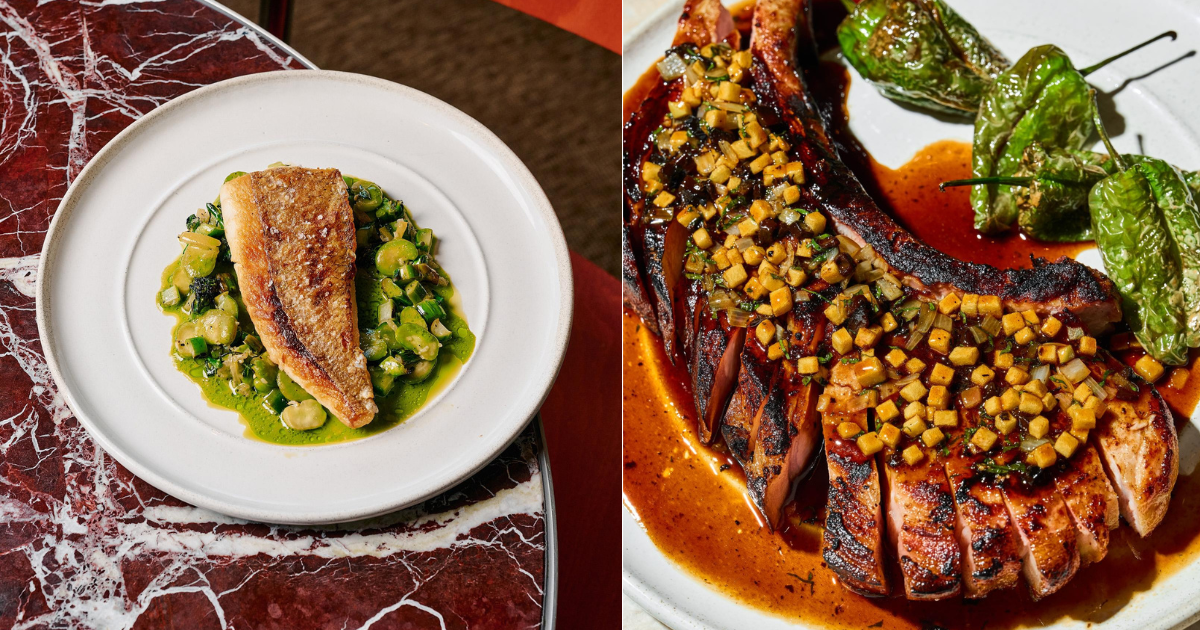
Bistro X’s food is defined by restraint, but Ben is clear that simplicity only works when fundamentals are solid.
“Young chefs want to impress. They try to attack everything,” he says. “But it starts with mastering the basics first.”
That means the right tool for the job, proper setup, knowing when to multitask, and tasting constantly.
“Once those habits are built, you can do less and achieve more,” Ben says. “But the skill has to come first.”
Shared ownership of the menu
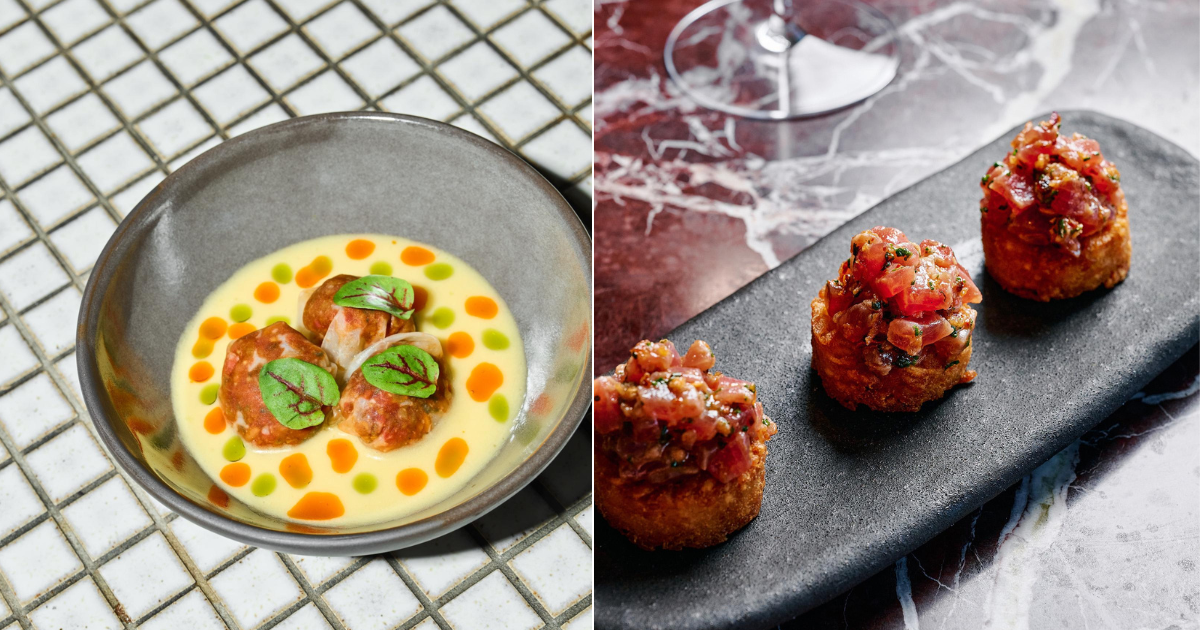
Menu development at Bistro X is collaborative. Every chef tastes new dishes and is encouraged to question balance, seasoning, and intent.
“I wouldn’t create a menu my chefs couldn’t achieve,” Ben says. “When they understand the dish, the mise en place becomes far more powerful.”
Junior chefs are also tasked with bringing forward ideas, with feedback that goes beyond flavour.
“It’s not just about what tastes good,” he explains. “You have to think about seasonality, time pressure, and who’s running that section during service.”
Mentoring as the real retention tool
In today’s job market, Ben sees mentoring as essential.
“Cooking is incredible, but it’s more than a prep list and a recipe,” he says. “If chefs go home thinking, ‘I learned something again today,’ that’s how you keep them.”
Mentoring, he believes, must be personal and tailored to the individual, not a one-size-fits-all approach.
Teaching the business, not hiding it
Ben is open with his team about food cost, wastage, and the financial realities of running a kitchen.
“I’ll always ask them to think, ‘If this was my kitchen, would I do this?’” he says.
Hiring for hunger, not ego
When it comes to recruitment, Ben prioritises attitude over polish.
“If someone is passionate, high energy, and hungry to learn, I’ll take that every time,” he says. “I can teach someone how to cook. I can’t teach ego.”
What chefs should leave with
If a chef moves on from Bistro X, Ben hopes they leave feeling stronger than when they arrived.
“I want them to go with their head held high,” he says. “With confidence in their skills and the feeling that they achieved something.”
Community, learning, focus, and enjoyment sit at the centre of Ben’s approach. At Bistro X, those ideas aren’t just talked about. They’re tested every night, one service at a time.





