Sydney restaurant Saint Peter has been named at number 66 on the World’s 50 Best Restaurants extended list, marking a significant moment for chef Josh Niland and his Paddington dining room.
The placement puts Saint Peter among a small group of Australian restaurants recognised on the global stage this year through the World’s 50 Best Restaurants.
A milestone moment for an Australian restaurant
The World’s 50 Best long list, which ranks restaurants from 51 to 100, is widely viewed as an indicator of international momentum. For Saint Peter, the inclusion reflects years of consistent work around technique, sustainability and a clearly defined cooking philosophy rather than a sudden shift in direction.
Josh has led Saint Peter since its early days in Paddington, building a restaurant defined by whole-fish cookery, deep technical discipline and a refusal to treat seafood as a narrow category. The long-list placement places Saint Peter in conversation with some of the most closely watched kitchens internationally and signals growing recognition of its approach beyond Australia.
For chefs watching from within the industry, the result reinforces that sustained focus and clarity can still cut through on a global platform.
A restaurant built on method, not novelty
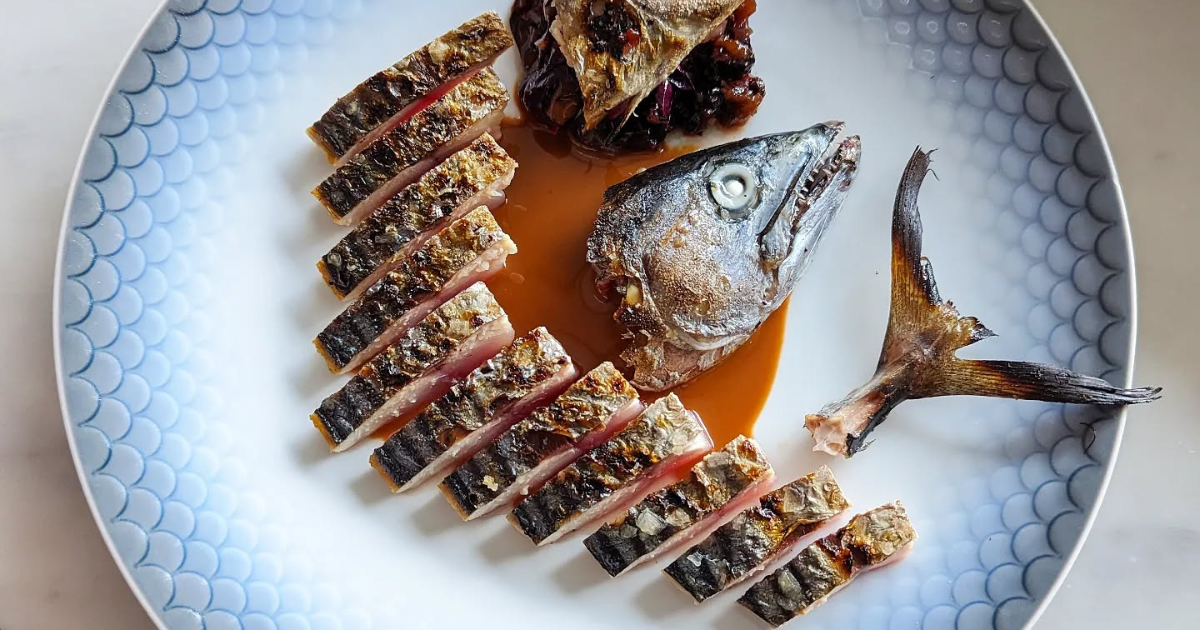
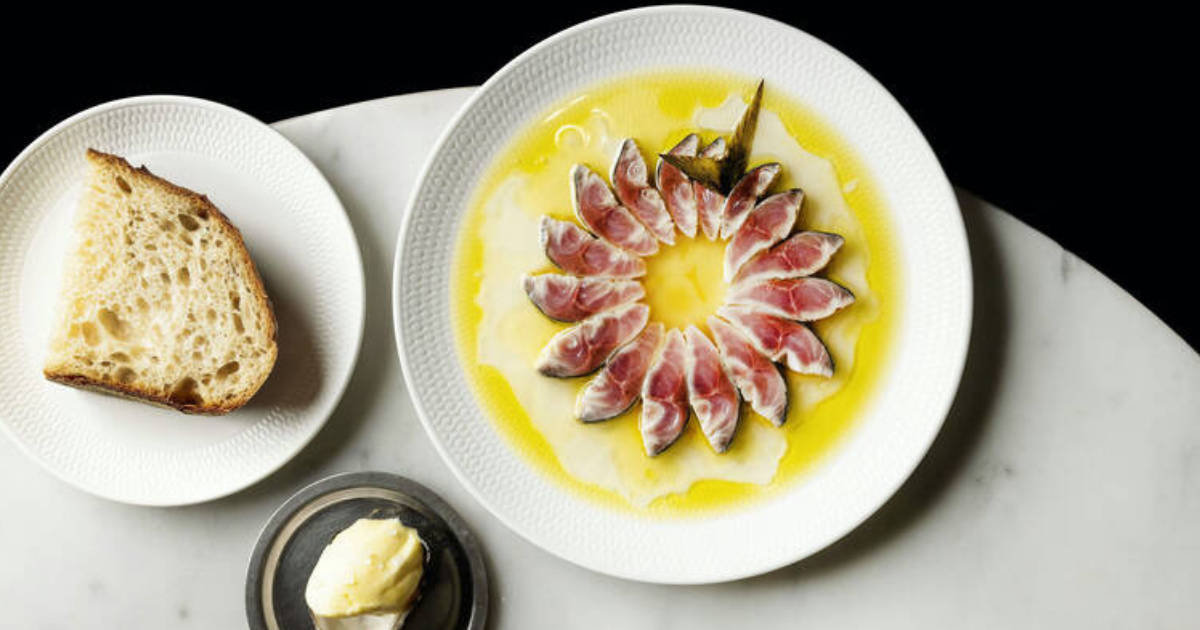
Saint Peter’s recognition is closely tied to its methodical approach to seafood. The kitchen works across entire fish, from collars and frames through to offal, applying techniques more commonly associated with meat cookery. Dry ageing, curing and careful butchery are treated as core practice rather than talking points.
Menus at Saint Peter have always been shaped by what arrives at the door. Fish selection, ageing time and preparation determine the final dish rather than fixed recipes. This has allowed the kitchen to maintain consistency in approach while remaining flexible in execution.
For many chefs, that balance between structure and adaptability is what makes Saint Peter influential. The restaurant demonstrates that technique can be rigorous without becoming rigid, and that sustainability can be embedded in daily operations rather than framed as a separate concept.
Paddington as a long-term home
Saint Peter’s location in Paddington is also part of its story. The restaurant has remained committed to its neighbourhood rather than chasing scale or spectacle. That decision has allowed the kitchen to refine systems, train staff and build a stable team over time.
The dining room itself reflects the cooking. It is focused, restrained and direct. Service is designed to support the menu rather than distract from it. For chefs, this clarity matters. It shows how a restaurant can achieve international recognition without expanding into multiple sites or softening its identity.
The long-list inclusion highlights that global visibility does not require geographic compromise. Saint Peter’s work remains rooted in Sydney while engaging with international peers on equal footing.

What the ranking means for chefs
For Australian chefs, placement on the World’s 50 Best list still carries weight. While the rankings attract debate, they continue to influence international travel, media attention and professional opportunity. Being named on the extended list places Saint Peter on the radar of chefs, diners and industry figures who follow the awards closely.
The recognition also reinforces the idea that Australian cooking can be globally relevant without relying on luxury ingredients or imported formats. Saint Peter’s work centres on local seafood and disciplined technique, offering a model that other chefs can study and adapt within their own contexts.
For younger cooks, the result underscores the value of committing to a point of view and developing it over time. Saint Peter did not pivot to meet external expectations. Instead, it refined what it already believed in.
Josh Niland’s growing international presence
Josh’s profile has grown steadily over the past decade through his restaurant work, writing and advocacy for whole-fish utilisation, including his books and educational work beyond the restaurant. His influence extends beyond Saint Peter through teaching, collaboration and example. The long-list recognition adds another layer to that influence, positioning him as a reference point for sustainable seafood practice globally.
Importantly, the recognition reflects the kitchen as a whole. Saint Peter’s systems, training and team culture underpin its success. The result is not about a single dish or moment, but about years of applied learning and repetition.
That emphasis on process rather than personality is something many chefs will recognise and respect.
Australian representation on the global stage
Saint Peter’s inclusion at number 66 adds to Australia’s presence on the extended list and keeps the country visible within the World’s 50 Best ecosystem. While only a handful of Australian restaurants typically appear each year, their placement continues to shape perceptions of the national dining scene.
For the industry, this visibility matters. It opens doors for collaboration, exchange and professional movement. It also creates benchmarks that local chefs can measure themselves against without needing to leave Australia to do so.
Looking ahead
The long-list placement does not signal a change in direction for Saint Peter. If anything, it validates the path the restaurant has already taken. The kitchen remains focused on refining technique, sourcing responsibly and training its team within a clear framework.
For chefs following the story, Saint Peter’s recognition offers a reminder that sustained, disciplined work still resonates. In an industry often driven by novelty and speed, the restaurant’s measured approach stands out.
As the World’s 50 Best announcements continue, Saint Peter’s position at number 66 will be viewed as both a milestone and a marker. It reflects where the restaurant is now and hints at how far focused Australian kitchens can go when they commit fully to their craft.





