Liam Dillon on building a produce-led menu at The Boat


Before service at The Boat in Lichfield, Liam Dillon is outside watering the garden.
Earlier this year, The Boat was awarded a Michelin star, a milestone which has brought greater attention, higher guest expectations and fresh momentum to what Liam is building in Lichfield.
Behind the restaurant, herbs, vegetables and flowers are beginning to push through for the season. Chickens move around nearby, two pigs are housed further down the land and an aquaponic growing system is still being tested.
None of it, Liam insists, is a finished product.
“We’re going to be quite far off being self-sufficient,” he said.
“You need a hell of a lot of space and a lot of bodies to do it solely.
“I think it’s just good having a nod to what’s in season.”
That honesty sits at the centre of what Liam is trying to build at The Boat. The restaurant has developed a strong reputation for produce-led cooking, but Liam is careful not to romanticise the reality of running a kitchen garden and microfarm alongside a modern fine dining restaurant.
Instead, he speaks about it as something still evolving.
A garden born out of Covid
The Boat’s growing project began during Covid, which Liam describes as a “silver lining” period for the restaurant.
“I started gardening with a little pick and a shovel and it led on from there,” he explained.
"I feel like Clarkson’s Farm!"
The land behind the restaurant gradually expanded through a mixture of experimentation, curiosity and available space. Liam hired machinery, built beds and started growing ingredients he could use within the kitchen.
For him, the garden became another way to connect more closely with ingredients and the identity of the restaurant.
“Through where I’ve worked, it’s been a massive part of the food,” he said.
“I’ve always loved the idea of being really connected, and we’re lucky being where we are. I’m not in the city centre. I’m out a little bit and it’s an excuse to use that space.”
The garden also gave Liam a different kind of focus during a period when he was pushing for progress with the restaurant.
“I was waiting for Michelin for, not nine years, but the last three years I thought we were kind of there,” he said.
“It gave me an excuse to still work on the brand, work on the business, and where I wanted to go.
“It was a stress release and it was the time that I could just organise my mind on days off. I could be out there turning beds over or building beds.”
Liam admits he was not naturally academic at school, but kitchens unlocked something different in him.
“As soon as I stepped into kitchens, my appetite for learning just came out of nowhere,” he said.
“I want to learn everything, I want to know everything.
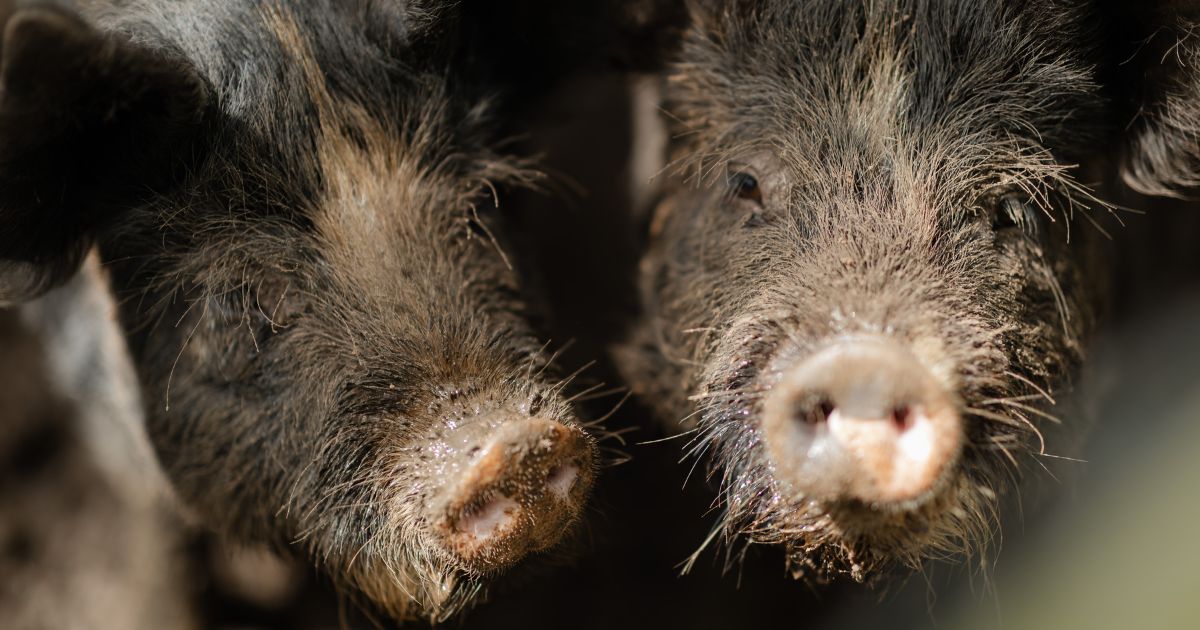
“Having this excuse to be in the garden, learn to beekeep, learn to look after pigs, learn to look after chickens, start to look at this aquaponic system we’ve got running as well.
“I felt like I was wasting time just doing the same thing over and over.”
Rather than aiming for complete self-sufficiency immediately, Liam has focused on bringing small but meaningful ingredients into the menu.
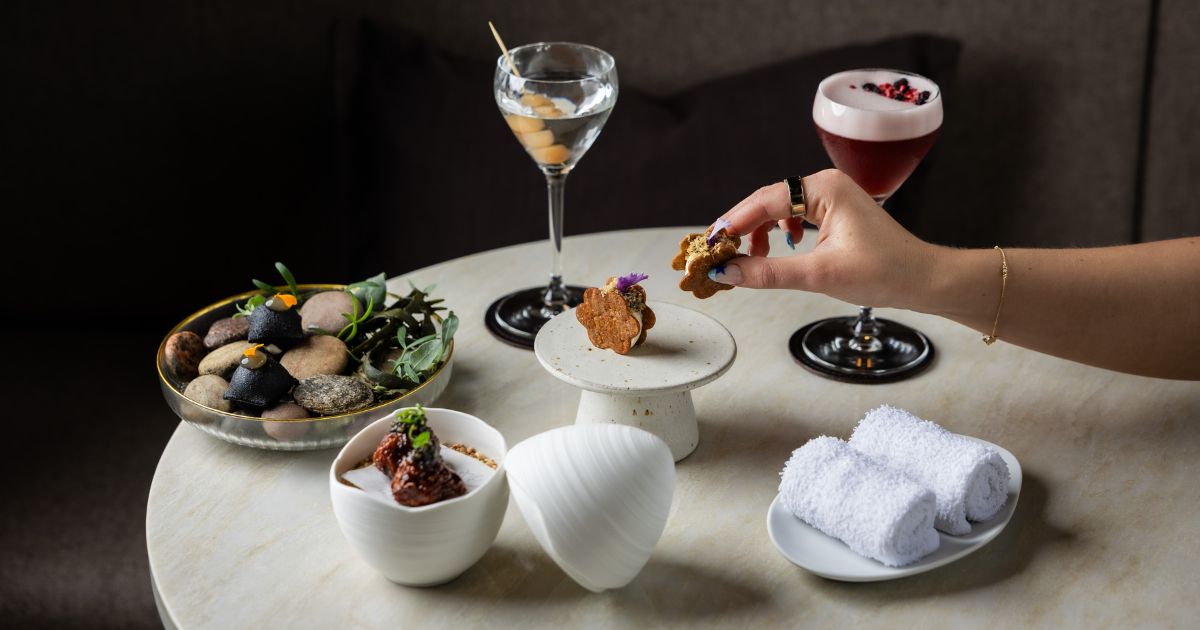
Eggs from the chickens, honey from the restaurant’s hives, herbs and finishing ingredients all support the menu, giving the kitchen direct access to small but meaningful elements from the land throughout service.
“Every year we’re trying to be self-sufficient on an ingredient,” Liam said.
“So outdoor rhubarb, we’ll use our own when it gets to that stage. Sweet cicely works perfectly with our strawberry dish, so we have all that growing.
“Year on year, we’re trying to make sure that the following year we have what we need.”
Building dishes around the land
That relationship between garden and kitchen has gradually started influencing the way dishes are developed at The Boat.
Liam describes himself as highly visual and says ideas tend to begin once he can physically see and handle ingredients rather than sketching concepts on paper.
“For me, paper and pen - I’m rubbish,” he admitted.
“I want to see it, touch it, feel it and then we go from there.”
One current dish pairing strawberries with sweet cicely, hay and white chocolate grew directly from what was happening around the restaurant grounds.
“We’ve gone strawberries and sweet cicely because we love that combination,” Liam explained.
“We got hay in there because of the pigs and the whole idea around that.”
While the restaurant is not yet producing dishes entirely from its own land, Liam says that remains an ambition.
“I wanted to get to the stage where one dish was solely from the grounds,” he said.
“You could maybe do it for a couple of weeks or a month and think, ‘that’s really cool’.
“More often than not now, there’s something on every dish from the grounds and I’m happy with that for the time being.”
Asked which dish best sums up The Boat right now, Liam does not choose the most obvious garden-led plate. Instead, he points to fried chicken and caviar, a snack developed from the fried chicken idea the team worked on during Covid.
The Boat may now have a Michelin star, a kitchen garden and its own livestock, but the food still needs to be enjoyable, recognisable and rooted in pleasure rather than concept alone.
Livestock, honey and learning new skills
The project has expanded beyond vegetables and herbs.
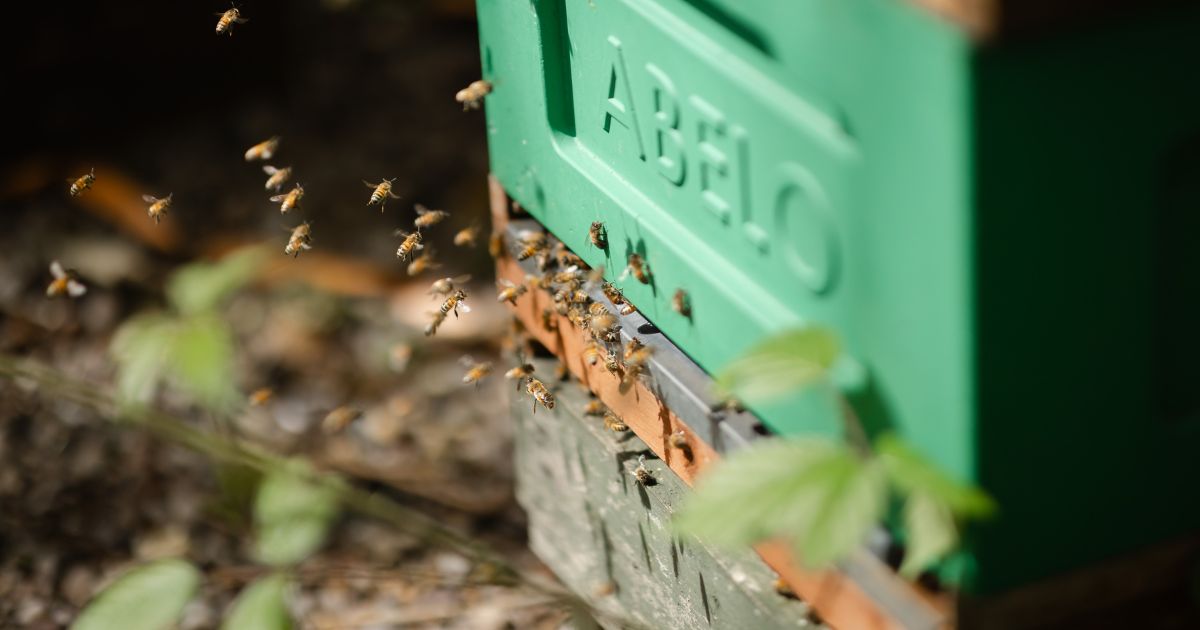
Liam completed a short beekeeping course before spending nights watching YouTube videos and teaching himself the practical side of hive management.
He had initially hoped to work with a beekeeper who would manage the hives on the land and supply honey back to the restaurant, but when that did not work out, Liam decided to start learning the process himself.
“I got really into YouTube,” he said.
“I was looking at different people, how they beekeep, their opinions, UK, America, every night, just more videos, more techniques.”
The honey now appears within a pre-dessert built around lemon parfait, bee pollen, crème fraîche sorbet and meringue.
But the bees and livestock are not treated as gimmicks or marketing tools. Liam speaks candidly about the emotional complexity that comes with keeping animals which will eventually become part of the menu.
“You do get attached,” he admitted.
“They start to trust you and take feed off you.
“It’s a weird one and the more I think about it, the more it freaks me out, but you’ve got to stand true to your morals.
“If you’re giving them the best life and they’re there to be eaten, as long as they’re done in the right way, there shouldn’t be any problems with that.”
At the same time, he believes chefs should understand the realities of meat production if they are going to serve it.
“The end idea for the pigs is that they will create our charcuterie for everyone that comes in here,” he explained.
“We’ll use every single bit of that pig.”
The reality of running a produce-led restaurant
Despite the growing operation becoming an increasingly important part of The Boat’s identity, Liam is careful not to present it as a perfect solution.
British weather, yield, timing and consistency all create regular challenges. That means The Boat still relies heavily on trusted suppliers alongside what is produced on site.
“You can’t just say, ‘sorry, we don’t want to do that dish anymore,’ because people are coming to expect it now, especially with the star,” Liam explained.
The same applies commercially.
While the garden provides ingredients, identity and creative inspiration, Liam openly admits it has not transformed the financial reality of running the business.
The Boat’s Michelin star, awarded earlier this year, has increased visibility and accelerated development plans for the restaurant, including a major refurbishment and a rethink around the guest experience.
But Liam says the pressure has also changed.
“We attract a lot more foodie guests now because of the star,” he said.
“They’re travelling and they’ve had this style of food before.”
For Liam, the star has landed after years of feeling that The Boat was moving towards that level.
“I wouldn’t say I was chasing a star,” he said.
“We were always upping the standard. We were trying to get a team managed to buy into what we’re trying to get to, and that’s only elevating the experience of the guests.”
Asked whether he had put pressure on himself each year around Michelin, Liam was honest.
“I got quite jealous of not being included, 100%,” he said.
“It drives you to, well, why have I not been able to do it? Why?”
Evolving the experience at The Boat
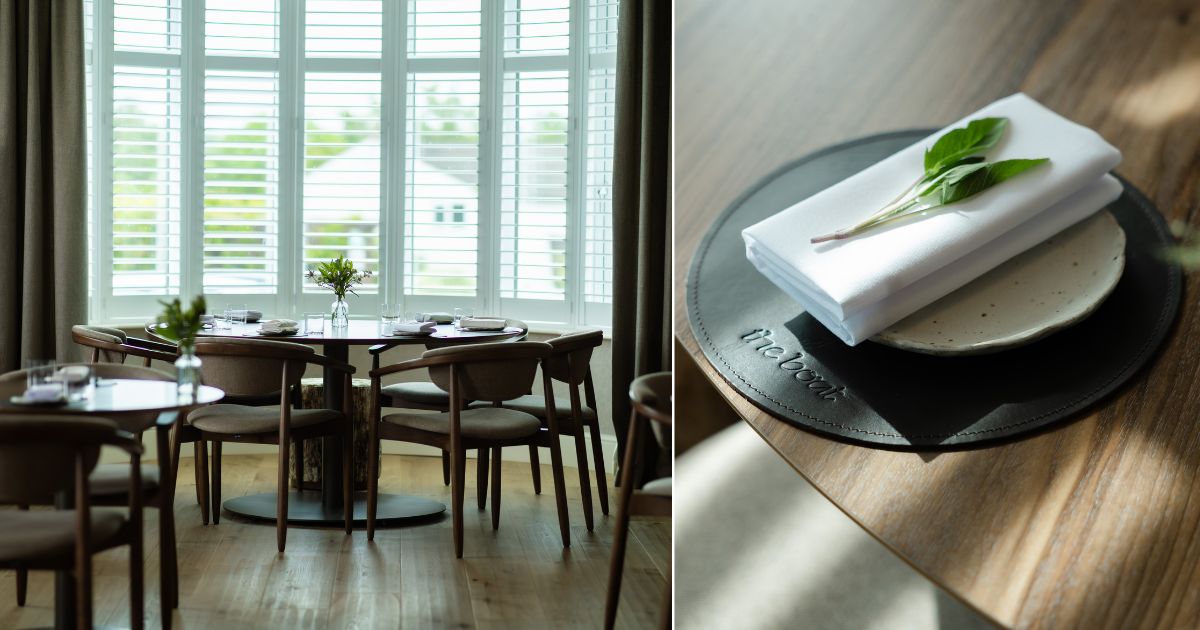
The newly renovated restaurant now reflects Liam’s broader vision for what The Boat should become.
Guests move through different spaces during service, beginning in the lounge before entering the dining room and, in future, interacting more closely with the kitchen team.
“I think now we have to deliver something extra,” Liam said.
“Before Covid, you could just go out for dinner and that was enough.
“You don’t want to be preached to. You come in for dinner and you want to enjoy your time.”
“I just want people to understand what we’re trying to achieve. The grounds, the whole brand, quality and care.”
Looking ahead
There is still plenty Liam wants to build.
He wants more produce from the land, more charcuterie from the pigs and a deeper connection between the garden and the menu, but the direction of travel is gradual rather than complete.
But perhaps the most striking thing about The Boat is that Liam speaks about all of it without pretending he has fully figured it out.
The garden remains a work in progress, the business still faces pressure and the operation continues to evolve.
That honesty is ultimately what makes the restaurant feel distinctive.
For Liam, success is no longer simply tied to accolades.
“I haven’t made a profit in nine years,” he said.
“Success for me isn’t a flashy car. I want my team to be engaged in what we do, and I haven’t made it now we’ve got a star. It’s been a very emotional journey and we’re carrying on.
“So it is about bums on seats, happy faces, memories, growing and leaving something behind.
“I’ve got a daughter on the way. If she can be head KP here one day, then I’ll be happy.”

For 18 years, The Staff Canteen has been the meeting place for chefs and hospitality professionals—your stories, your skills, your space.
Every recipe, every video, every news update exists because this community makes it possible.
We’ll never hide content behind a paywall, but we need your help to keep it free.
If The Staff Canteen has inspired you, informed you, or simply made you smile, chip in £3—less than a coffee—to keep this space thriving.
Together, we keep the industry connected. Together, we move forward.
Support Us
CONTRIBUTE
Liam Dillon on building a produce-led menu at The Boat


