How to become a successful chef in 2026


Becoming a successful chef has never been easy, but in 2026 the challenges facing the industry are greater than ever.
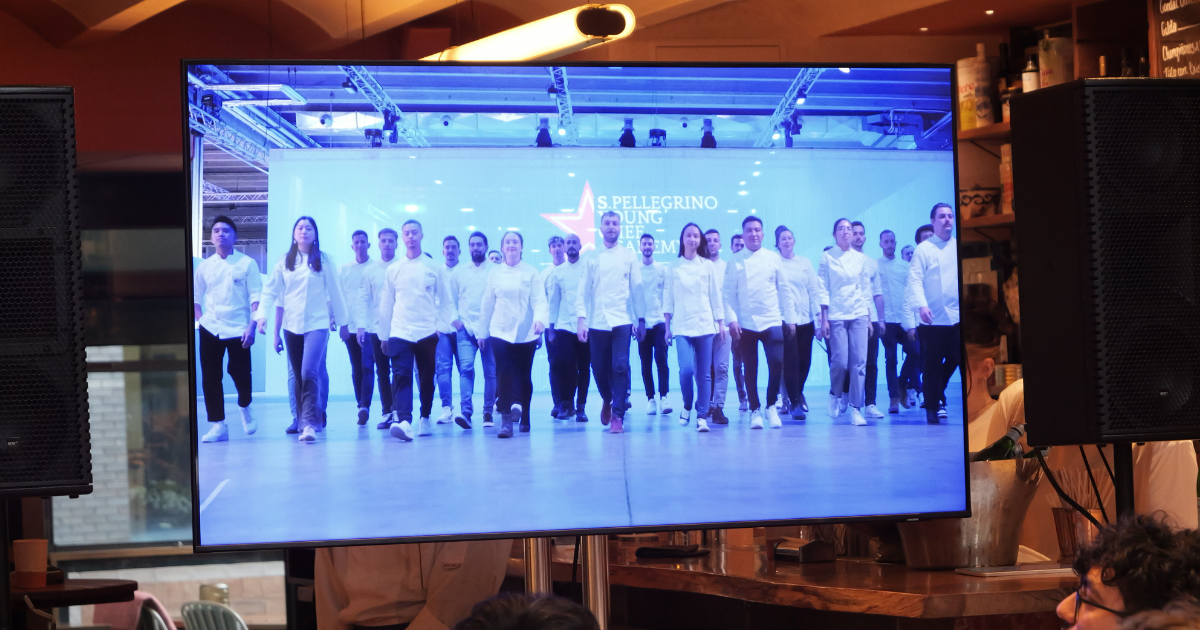
San Pellegrino Young Chef Academy is fully aware of this. That is why it runs its Academy and why it brought together more than 40 of the UK’s best up-and-coming chefs for its latest On The Line lunch at Legado.
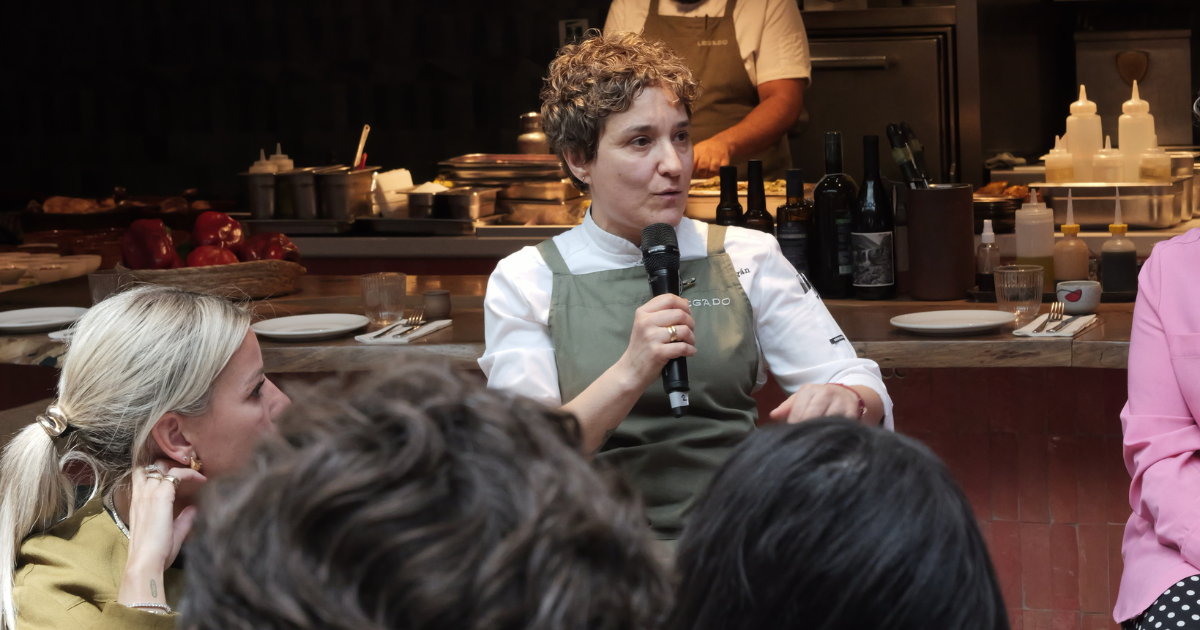
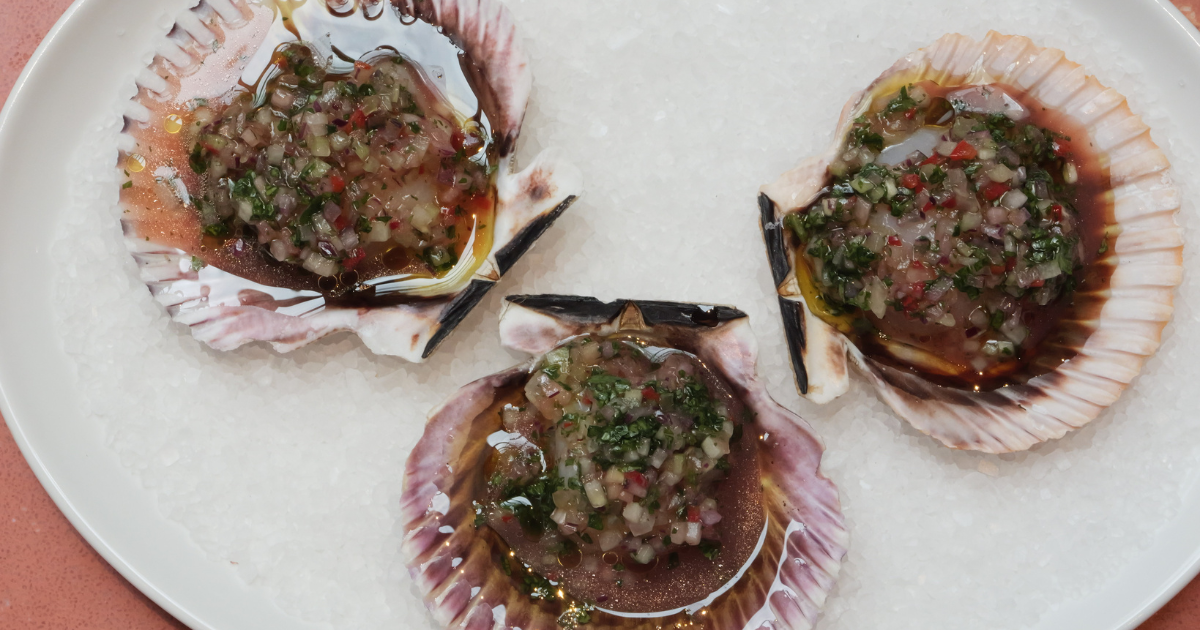
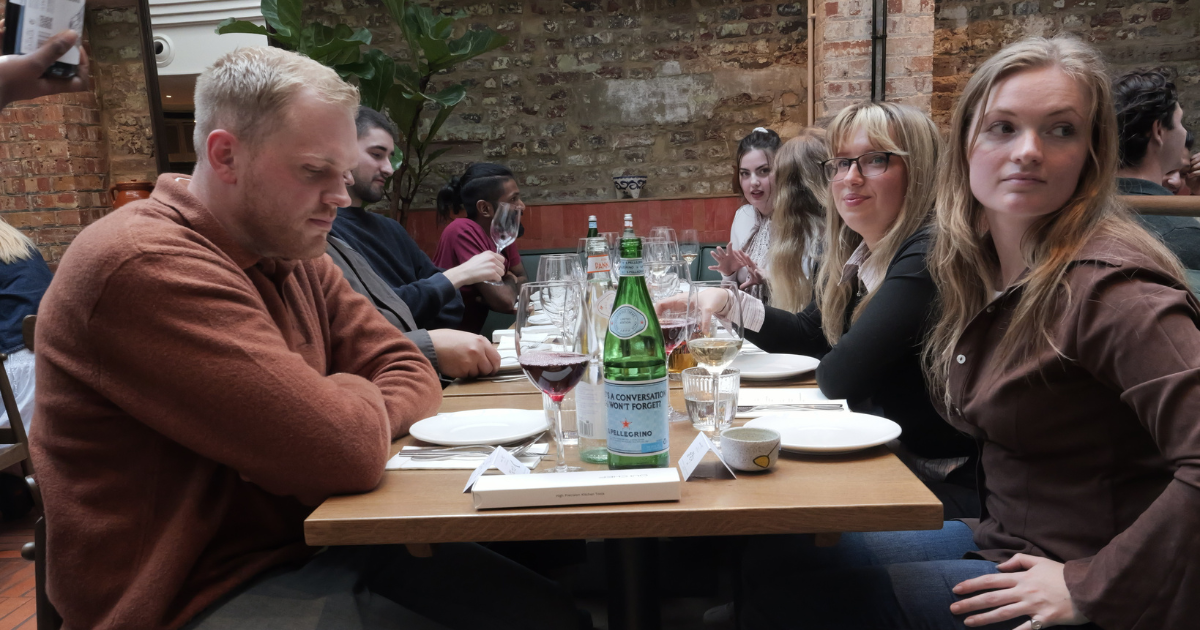
Before the chefs were treated to a three-hour meal courtesy of Nieves Barragán Mohacho and her team at the Michelin-starred London restaurant, they were able to enjoy an insightful conversation with Dara Klein, head chef and founder of Tiella Trattoria, Sally Abé, head chef and founder of Teal, and Nieves herself, chef director of Michelin-starred Legado and Sabor.
From getting hired and finding your own style as a chef to opening a restaurant and building a team, the trio offered invaluable insights for the next generation of hospitality professionals.
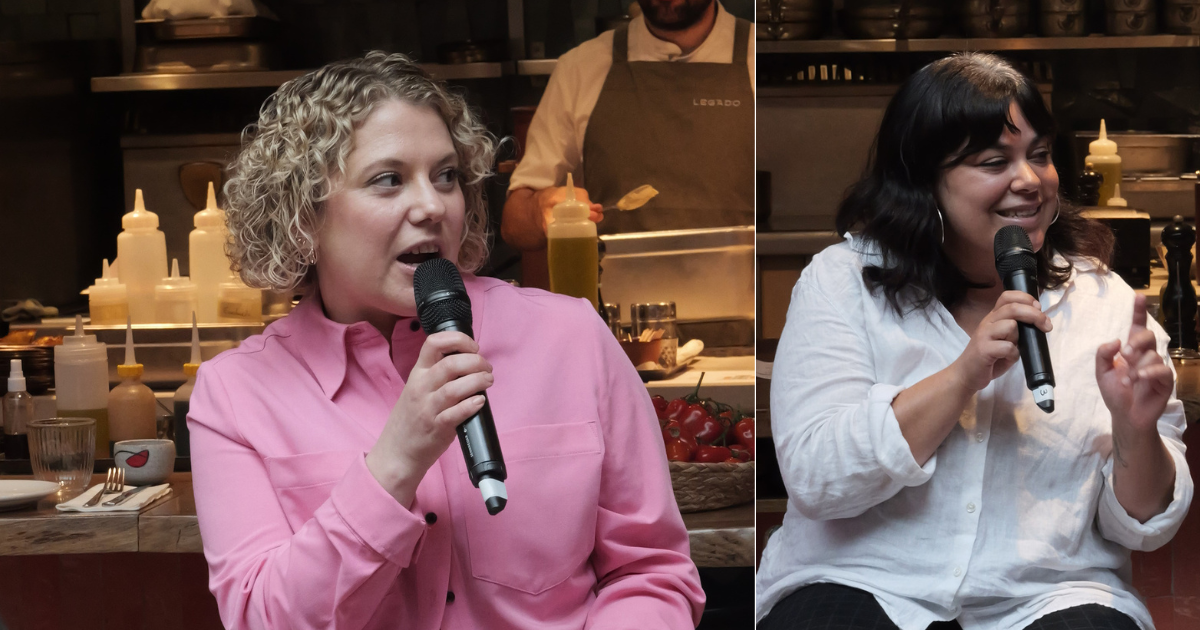
Here are their top tips on becoming a successful chef in 2026.
How to get hired in a professional kitchen
Technical skills are always important for aspiring chefs, but all three panellists agreed that attitude, personality and a willingness to learn remain the qualities they value most when recruiting.
Having the right attitude especially is a good place to start.
Sally said: “I always hire based on personality. One of my frequent sayings is that you can teach someone how to chop a carrot, but you can't teach them not to be a d***!
“I curate the culture in my kitchen very, very carefully. I've got no time for bad behaviour or bullying or putting people down.
“If you want to work hard and you want to learn and you're eager to show those things and you've got common sense, then I'll generally give you the job.”
The importance of energy and enthusiasm, alongside that common sense, is a trait valued in most kitchens. Dara’s kitchen is no different.
Dara said: “It’s an energy thing as well. You can tell when people have really got a spark behind their eyes.”
For Nieves, patience is always a virtue when it comes to the kitchen. This applies to younger and more inexperienced cooks, but to veteran chefs too.
Nieves said: “I think it's attitude. That's what I'm looking for. When you see a young chef start, they really listen to you, they want to work for you, they want to understand.
“Some chefs, they are impatient. They are already waiting two months in one position and they're already going to change. It's impossible.
“We all need to be very patient. You need to understand what is changing. Every month is different, every seasonality in the year changes.”
How to find your identity as a chef
One of the most common questions young chefs ask is how to develop their own style of cooking.
It can be one of the biggest challenges to overcome when chefs begin to think about opening their own restaurant.
Nieves’ advice is that chefs should not worry too much about what they want to cook, so long as they are cooking with passion.
Nieves said: “I always say to the chefs that you need to cook with your identity. You need to put how you feel, what is your passion. I still believe that you need to cook with your identity, who you are and what you like to cook.
“Everything, we need. We need fine dining, we need tapas, we need every single type of restaurant in London. You just need to find your identity.
“Believe in yourself. Focus on what you're doing and stay true to your own personality.”
For Sally, finding her identity was not a quick process.
Sally said: “I started to find my identity when I took my first head chef role at The Harwood Arms. I’ve got a vested interest in British food and I delved into the history and the culture of British cuisine. When you look back, that's when you're able to move forward.
“For me, it's not about reinventing the wheel. It's about doing a tried and tested combination of flavours, but in a way that feels true and honest to me.”
Identity is not shaped overnight, but according to the panellists, it will come as and when it is ready, so long as chefs remain passionate, curious and eager to improve their skills.
What does it really take to open a restaurant?
Opening a restaurant remains the ultimate dream for many chefs, but the challenges of doing so are ever-present.
Still, Nieves described it as both the hardest and most rewarding challenge of her career.
Nieves said: “It's the hardest thing that I've ever needed to do. But it's the most satisfying.
“A lot of sleepless nights, a lot of headaches. But when you have a passion and you create something like this, it's the most beautiful thing in the world.”
Contrasting with Nieves’ words around the beauty of opening a restaurant, Sally stressed the importance of practicality and sound business planning.
Sally said: “Do your numbers.
“Make sure you figure out a business plan. Make sure you know exactly how much money is coming through the door every week to pay your staff, keep the lights on and pay the rent.
“You can make the nicest food in the world, but if you're not busy, you're not going to stay open very long.”
For Dara, intuition also played a major role, as did having a partner to lean on.
Dara said: “I say trust your gut. At every stage of the process, my intuition was the number one thing. I tend to lead with the gut feeling.
“A business partner really, really helps. It's a beautiful thing to build something with someone else.”
Do your numbers and trust your gut. But most importantly, dream your dreams. That is advice every chef would do well to follow.
Is social media important for chefs?
Regardless of what you think about it, social media is now a major part of restaurant marketing.
And in such a hectic industry, with such long working hours, it can be hard to keep up with creating content.
Dara admitted that social media does not come naturally to her, even though its impact is clear.
Dara said: “The internet and I, we don't gel. I find that it's a whole other job to keep up with it and constantly share what you're cooking and what you're doing.
“But I do think it's pretty necessary in this day and age. If we don't post stories or post in a week, we do see a difference in footfall.”
Sally described social media as both an opportunity and a challenge.
Sally said: “It can be great for the restaurant, but it also can be a bit of a noose around your neck at the same time.
“There are lots of restaurants that have these amazing social media accounts, but they've got maybe five or six people behind the scenes working with them. It's impossible to keep up with those people.
“I think for me, it's trying to just have a little bit of fun with it, just be honest with it, show what you're doing.
“So it's good to use it as a tool, but I think it's just important to be your own name with it and not compare yourself to others too much.”
Success in 2026 is about more than cooking
The reality of being a successful chef in 2026 extends far beyond what happens on the plate.
Dara, Nieves and Sally understand what it takes to succeed in the hospitality industry, and they shared some of that knowledge with the young chefs at San Pellegrino Young Chef Academy’s On The Line lunch.
Patience, attitude and passion will take a chef a long way in the industry. But above all, never losing sight of who you are as a chef is perhaps the most important lesson the panellists wished to impart.
As Nieves put it: “Believe in yourself.”
In an industry that constantly evolves, that may be the best advice of all.
If you’re a chef aged 18–30 with at least one year of experience in a professional kitchen, applications remain open for just a few more days for the 2026 Academy. Enter now, via this link: https://bit.ly/4wIiDw4.

For 18 years, The Staff Canteen has been the meeting place for chefs and hospitality professionals—your stories, your skills, your space.
Every recipe, every video, every news update exists because this community makes it possible.
We’ll never hide content behind a paywall, but we need your help to keep it free.
If The Staff Canteen has inspired you, informed you, or simply made you smile, chip in £3—less than a coffee—to keep this space thriving.
Together, we keep the industry connected. Together, we move forward.
Support Us
CONTRIBUTE
How to become a successful chef in 2026


