Michelin vs the Hats: How rating systems differ


For chefs, a star or a hat can mean everything.
While the Michelin Guide remains the global benchmark for culinary excellence, Australia’s Chef Hat Awards - run by The Good Food Guide - represent a parallel system with its own prestige, criteria and influence.
Both shape careers, attract diners, and set the tone for national dining standards, but they do so in markedly different ways.
Origins: The Red Guide and The Good Food Guide
The Michelin Guide began in 1900 as a French tyre company’s travel aid, encouraging motorists to explore and, by extension, wear out their tyres. By 1926, the guide started awarding stars to exceptional restaurants; by 1933, the now-familiar one, two and three-star system was introduced.
Today, Michelin covers more than 40 territories across Europe, Asia and the Americas, with separate guides for Great Britain & Ireland, France, Japan, and more.
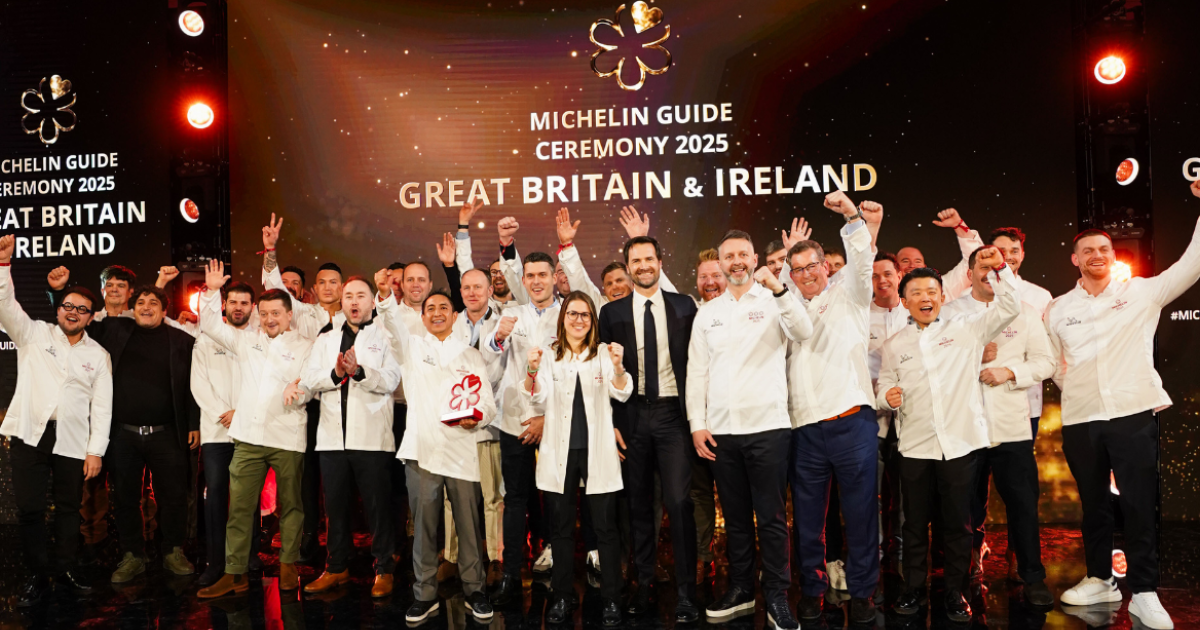
Australia’s Chef Hat system emerged in 1980 through The Sydney Morning Herald Good Food Guide (later joined by Melbourne and national editions). Instead of stars, restaurants were scored out of 20 and awarded between one and three hats.
The system has since become a national institution, with “hatted” venues regarded as the pinnacle of Australian dining.
Scoring and Standards
Michelin stars are awarded anonymously by full-time inspectors using five universal criteria:
-
Quality of ingredients
-
Mastery of cooking techniques
-
Harmony and balance of flavours
-
The chef’s personality reflected in the cuisine
-
Consistency across the menu and over time
A one-star restaurant signifies “a very good restaurant in its category,” two stars denote “excellent cooking, worth a detour,” and three stars “exceptional cuisine, worth a special journey.”

By contrast, the Chef Hat system uses a points-based structure. Judges - typically senior critics and food writers - score restaurants on food (up to 20 points), with service, ambience and value contributing to the final decision.
-
One Hat: 15–16 points
-
Two Hats: 17–18 points
-
Three Hats: 19–20 points
Unlike Michelin’s rigid global standard, the Hat system is more reflective of regional style and local expectations. A two-hat restaurant in Sydney may not resemble a two-hat venue in rural Victoria - but both are celebrated within their local dining scenes.
Reach and Relevance
Michelin’s strength lies in its international recognition. A star in London, Paris or Tokyo carries comparable weight, creating a common language for gastronomy worldwide.
The system has been criticised, however, for historical Eurocentrism and for being slow to recognise new culinary styles and regions. Expansion into Thailand, Singapore and the Middle East has diversified its scope, but not without controversy over consistency.
The Hat system, meanwhile, has a national focus. It celebrates Australian produce, regional dining and individuality. The awards have helped define the country’s culinary identity - championing chefs such as Peter Gilmore, Ben Shewry and Neil Perry - and have become a vital guide for domestic diners and travellers.
Impact on Chefs and Diners
Both systems carry immense professional weight. A new star or hat can transform a restaurant’s fortunes overnight; losing one can be equally significant.
Yet while Michelin’s stars are viewed as near-immutable badges of excellence, the Hat system encourages evolution. Seasonal re-reviews and regional focus allow chefs to experiment without the same fear of losing global standing.

Chefs who have worked within both frameworks - such as Clare Smyth, who trained under Gordon Ramsay before consulting in Australia - often note that Michelin recognition brings global attention, while Hat awards bring community prestige and a deep connection with local diners.
Different Paths, Same Purpose
Ultimately, Michelin and the Hats serve the same goal: to recognise and reward excellence in cooking. Where Michelin provides a global benchmark, the Hat system celebrates regional distinction.
Both remind chefs and diners alike that great food is about more than technique - it’s about a sense of place, purpose and passion on the plate.
Written by abi kinsella

For 18 years, The Staff Canteen has been the meeting place for chefs and hospitality professionals—your stories, your skills, your space.
Every recipe, every video, every news update exists because this community makes it possible.
We’ll never hide content behind a paywall, but we need your help to keep it free.
If The Staff Canteen has inspired you, informed you, or simply made you smile, chip in £3—less than a coffee—to keep this space thriving.
Together, we keep the industry connected. Together, we move forward.
Support Us
CONTRIBUTE
Michelin vs the Hats: How rating systems differ


