Luxury hotel kitchens can look different from the outside. Bigger teams, bigger budgets, more structure, more moving parts.
But for Deepak Mishra, the real lessons were never just about scale. They were about discipline, consistency and learning how to lead under pressure without losing sight of the guest.
Deepak came to Australia nearly 30 years ago as a young chef from India, determined to learn European cooking properly. He had trained in hotel school back home, where classic French cooking shaped much of the foundation, but he wanted more. Melbourne became the start of that journey.
“I came to Australia close to 30 years ago and was a young man wanting to learn European style of cooking,” he says. “I was very clear that I want to work with the best chef and I want to work with the best hotel brand.”
That ambition took him through some of the best-known hotel kitchens of the time, beginning in Melbourne at Grand Hyatt and Hotel Windsor, before later leading at luxury brands including Oberoi, Fairmont, Langham and Pan Pacific. Working under chef Tom Milligan at Hotel Windsor became one of the defining relationships of his career. Deepak spent years working his way up under Tom, from chef de partie to becoming his second in command. He still describes Tom as a mentor today.
“What I am as a chef, he has a lot to play,” Deepak says.
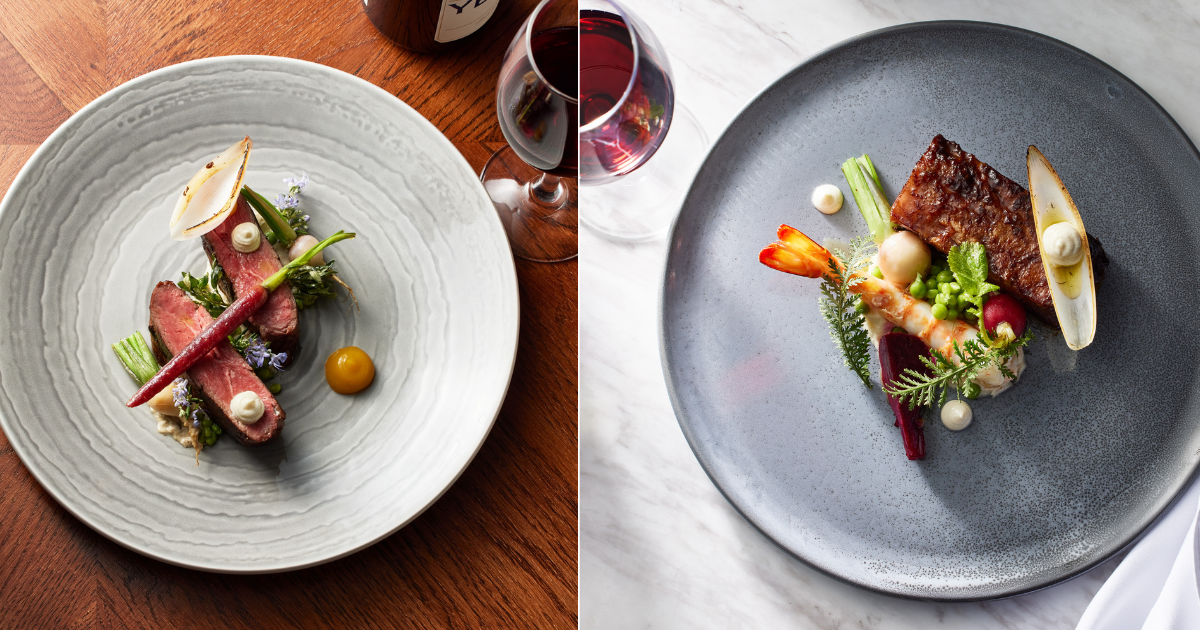
Where the real training starts
For Deepak, hotel kitchens gave him something more than technical repetition. They taught him how to think in systems, how to work at volume without dropping standards, and how to understand the kitchen as part of a much bigger guest experience.
“The main difference between the standalone restaurant and the high-end hotels is the room component and how the room component blends into the food and beverage,” he says.
That changes the shape of the work. In hotels, the kitchen is not just serving the restaurant. It may also be part of a broader operation that includes room service, events, amenities, breakfast, bars, banqueting and multiple outlets, all running at once. In many cases, the support structure is larger too, with butchery, bakery, pastry and other specialist departments sitting under one roof.
The scale can be immense. Deepak has led teams ranging from 60 or 80 chefs and stewards through to departments of more than 200, and later broader food and beverage structures of around 300 people.
That kind of operation forces clarity.
“Nothing works without a system,” he says. “I am a very strong believer of discipline system and planning.”
The structure behind consistency
One of the strongest parts of Deepak’s interview is how matter-of-fact he is about process. In hotel kitchens, he says, everything has a standard operating procedure. That applies to the smallest tasks as much as the biggest ones. It also underpins the consistency guests expect.
“As an executive chef, it’s very important to have the communications very clear,” he says. “The team members need to know what is expected from them.”
That structure is not there for show. It is there because the guest ordering a dish today has to receive the same standard tomorrow. Menus are tested, costed, photographed and rolled out through a process. Senior chefs then take that standard back to their teams and make it happen day in, day out.
“Consistency is the key,” Deepak says.
That is one of the hardest lessons younger chefs only fully understand later. Not just how to cook something well once, but how to build a kitchen that can produce it properly every time.
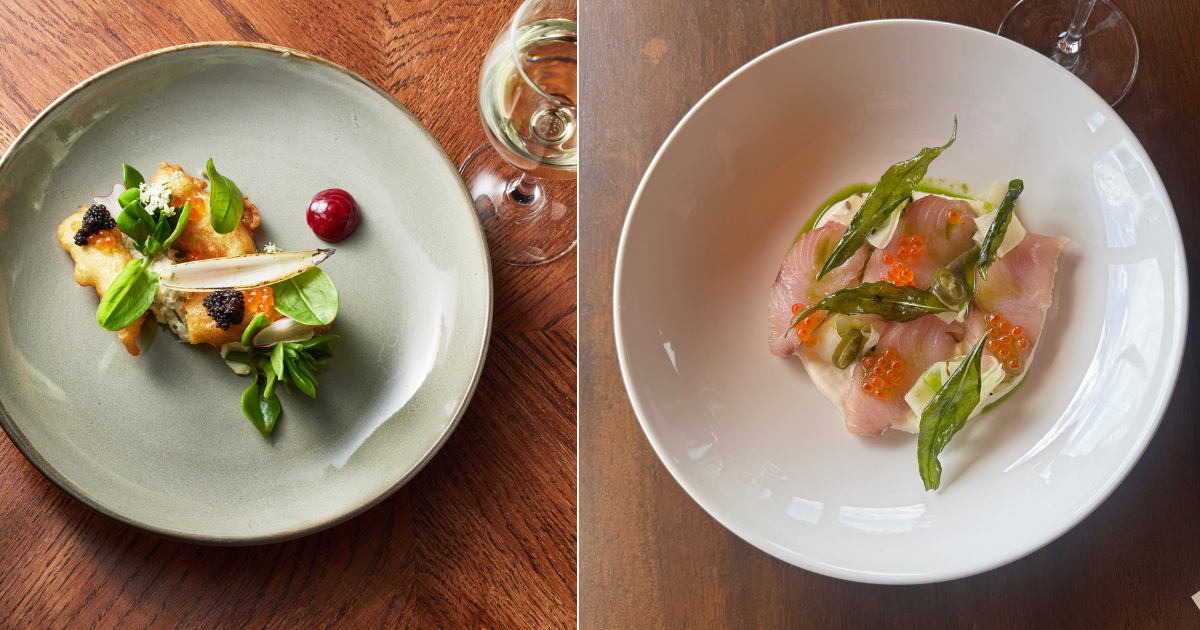
More than systems and spreadsheets
There is a common perception that hotel kitchens are so process-driven that personality and creativity suffer. Deepak knows that view well.
“The perception is the creativity suffers in hotels,” he says. “But you can be much more creative in restaurant.”
He understands where that comes from. Restaurants can move quickly. A dish can be reworked several times in a few days. Hotels move differently. There is more process, more sign-off and more structure around change.
But for Deepak, that does not mean the craft disappears. It just means the creativity has to live inside a disciplined system. The pressure is different, the planning is heavier and the margin for inconsistency is smaller.
He also points out that hotel kitchens are often responsible for some of the highest-stakes service environments in the industry. Large-scale weddings, major functions, VIP guests, tailored room amenities and highly personalised requests. That kind of work demands precision and imagination at the same time.
“Bottom line is very important,” he says. “A chef has to be good in managing the finances.”
That is another part of the hotel kitchen that younger chefs often only recognise later. Great cooking matters. So does cost control, forecasting, structure and the ability to make a large operation work commercially.
Leadership without the theatre
If the first phase of Deepak’s career was about sharpening his cooking, the next phase was about changing the way he led.
He speaks openly about that. In his younger executive chef days, he says, he was hot-headed. Plates flew.
Anger showed. Over time, he realised that style of leadership could not build the kind of team he wanted.
“I told myself, I’ll not be that kind of boss,” he says.
He traces a lot of that shift back to his time with Oberoi Hotels, particularly at Oberoi Rajvilas in Jaipur, where he says the culture of luxury hospitality changed him. The focus there was not just food, but the full guest experience. It was about humbleness, anticipation and making people feel looked after at a level beyond the plate.
“That was a game changer in my career,” he says.
That experience reshaped the way he thought about leadership too. Today, he describes himself as an open-door leader who operates from the floor rather than the office.
“I operate from the floor,” he says. “Very open communication.”
That means being present in the kitchen, mentoring on the pass, making time for one-on-ones, and creating a culture where even junior chefs feel comfortable asking questions. He is clear that hierarchy matters, but not to the point where people become afraid to speak.
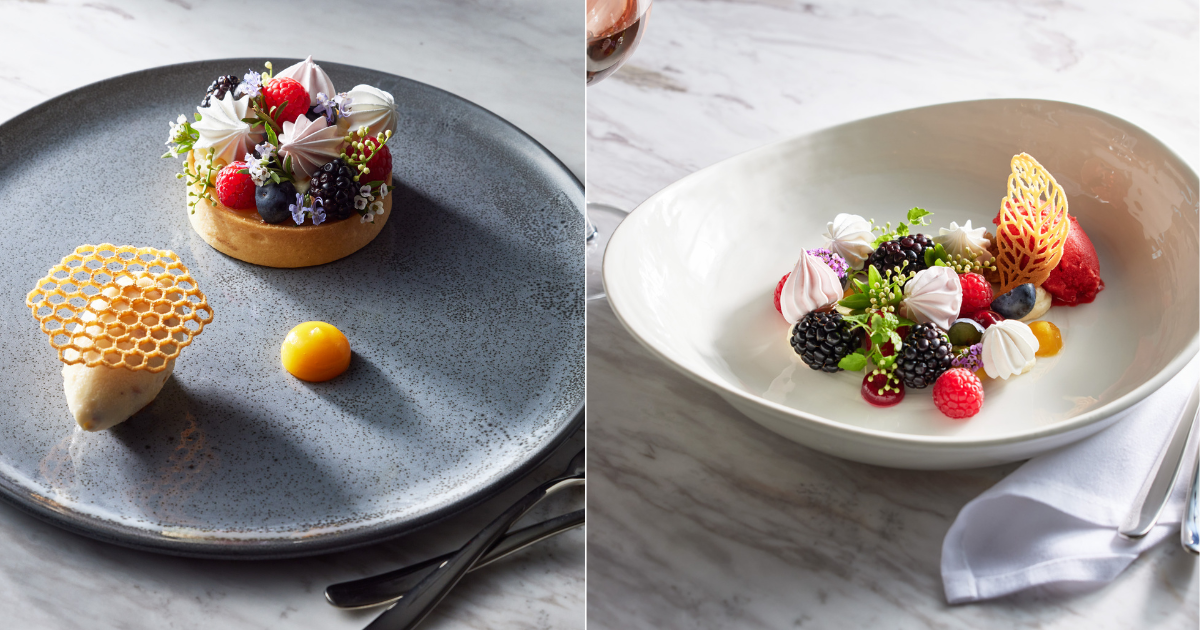
Calm is part of the job
One of the strongest parts of the interview comes when Deepak talks about pressure.
“If you lose it as a leader of the team, the entire team will look upon you and then you lost the battle straight away,” he says.
He gives the example of a 260-cover Chinese wedding at Parkroyal Pickering, where the ovens stopped working while guests were already seated. The team had to pivot immediately, pulling out sous vide equipment, pan frying, pot roasting and reworking the service on the spot. The guests never knew what had happened.
That memory still stays with him because it captures what leadership under pressure actually looks like. Not panic. Not blame. Not theatre. Just the ability to settle the room and move the team forward.
“Team, let’s get together,” he says. “Let’s have a plan how to get it done and move forward.”
That is the kind of line chefs will recognise. Pressure is inevitable. The real question is what the team sees in the person leading it.
What he looks for in chefs now
For all the scale and process in his career, Deepak’s filter for people is simple.
“When I’m building a team, I look at any chefs with the right attitude and aptitude,” he says.
Skills matter, of course, but he believes a lot can be trained. What he wants first is passion, humility, care for others and a genuine willingness to learn. Arrogance and hot-headedness do not interest him anymore.
“The team member need to be humble,” he says. “They need to be caring.”
That feels like the thread running through his story. The systems matter. The structure matters. The guest matters. But none of it works without the right people and the right culture behind it.
Today, Deepak is working across smaller operations and consultancy projects, more hands-on in service than he was in some of his larger hotel roles. He says he is on the tools six days a week now, moving between different venues, concepts and kitchens, and enjoying the shift.
But the lessons of those years in luxury hotels are still there. The planning. The discipline. The structure. The standards. The understanding that the guest experience begins long before the plate hits the table.
That is the real work he carries forward. Not just leading at scale, but learning how to do it without losing the human side of the kitchen.





