Porcine began with a simple brief: 40 seats, a chalkboard and a clear commitment to classic French cooking.
For Nicholas Hill, that meant building a restaurant with standards, identity and no smoke and mirrors. What has followed is a kitchen shaped by craft, whole-animal cooking and the kind of hard work that makes depth feel natural once the plate reaches the table.
Keeping the idea clear
Nik says the vision for Porcine was straightforward from the beginning.
“The original brief was 40 seats and a chalkboard. That’s all we needed,” he says. “It was always going to be classic French and always going to be us.”
That clarity still defines the restaurant now. Rather than build something over-designed or overly theatrical, the focus was on doing things properly and looking after people.
“We just do things the way we like to do them and make sure we are looking after people. From customers to staff we’re the same people. There’s no smoke and mirrors.”
It is part of why Porcine feels confident without feeling forced. The restaurant has grown organically, but the core idea has not shifted.
Training that still shows up on the plate
Nik is clear about the kitchens that shaped him. He says he is the product of the environments he trained in, and points especially to Sepia and The Ledbury.
At Sepia, he saw Martin Benn’s precision, organisation and constant drive to improve. At The Ledbury, he saw Brett Graham building standards from the front, service after service, and pushing the restaurant higher each week.
“I saw first hand what it takes to really push a restaurant’s reputation from the ground up,” Nik says. “It was the real deal.”
The lesson that stayed with him was simple.
“Drive the team from within and be the best cook in your kitchen.”
That way of thinking still sits inside Porcine now, both in the food and in the way the kitchen is run.
Making depth feel easy
Nik has no interest in pretending simple food is easy to cook.
“The old saying goes simple isn’t easy.”
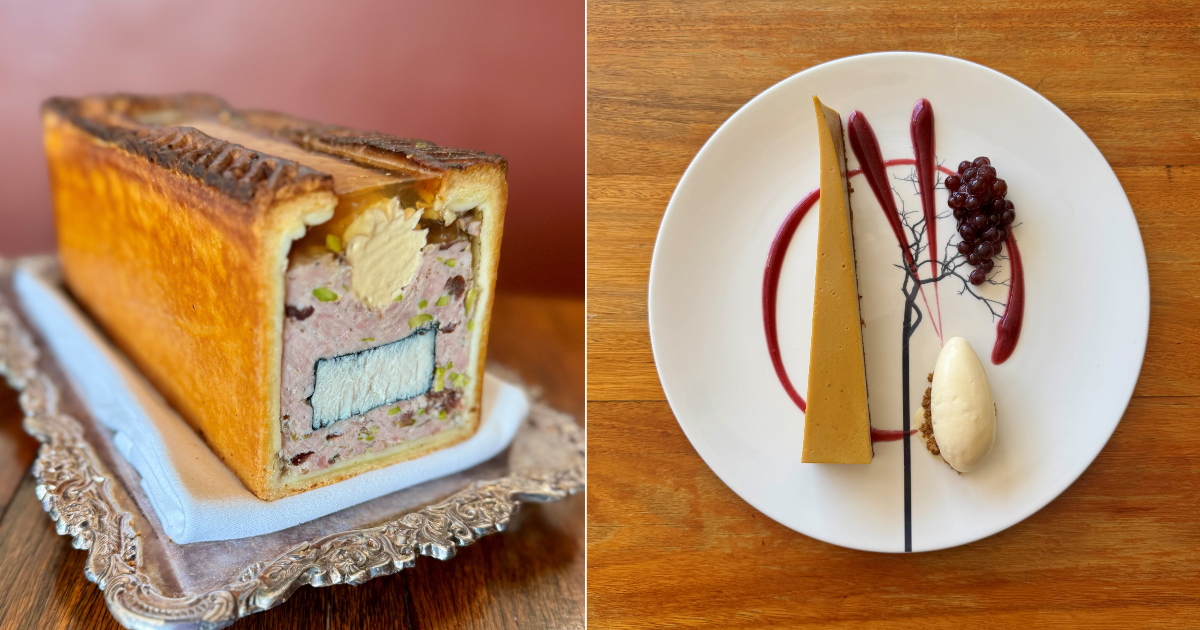
At Porcine, French cooking means technique, labour and organisation. There are always multiple pâtés in play, whether that is pâté en croûte, terrines or galantines, while rillettes and cretons never leave the menu.
A pâté en croûte might look simple once it is sliced and served with mustard, but Nik says the real work is already buried in the pastry, the farce, the aspic and the planning behind it.
That is the point. If the guest sees ease, the kitchen has done the hard part already.
“Organisation is key for these technical aspects of the kitchen,” he says. “We try to make sure it’s either hard for mise en place or hard for service. Not both.”
That balance is a big part of what makes the food at Porcine feel so composed.
Whole-animal cooking with purpose
Whole-animal butchery has become central to Porcine’s cooking, but for Nik it is not a statement. It is simply how the kitchen works.
Many of the dishes at the restaurant do not call for prime cuts alone, and he wanted to avoid building a bistro that leaned too heavily on the usual French staples.
“There are plenty of French bistros in Sydney cooking classics and many of them just become the same without a point of difference,” he says.
Instead, Nik has used the techniques he developed in Michelin-starred and three-hat kitchens to push the food somewhere more specific to Porcine.
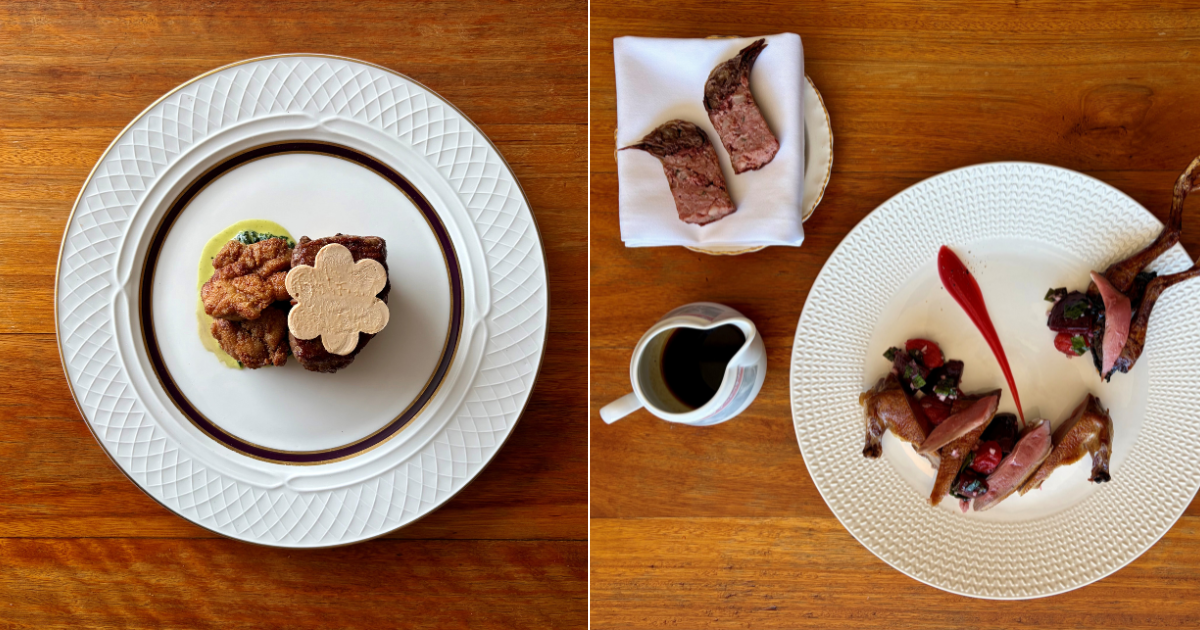
That thinking comes through clearly in the way the kitchen handles pigeon. Rather than simply roast the bird and sauté the livers, the team uses different parts in different ways. The livers become parfait for L’avant Cave.
The crown might be roasted and glazed with a savoury honey built from vermouth and juniper. The legs and wings are confited. The head and neck become sausage with lardo, black pepper and pigeon livers. The next week, it might be something else again.
“We try to keep it interesting for the chefs too,” Nik says.
For him, whole-animal cooking is not just technical. It is about planning, creativity and making sure the numbers work.
“The key is to have a plan for the beast before you put the knife to it,” he says. “It’s about selling the beast to make the most value for the customer and the business.”
Why bistro cooking leaves nowhere to hide
Asked what separates good bistro cooking from great bistro cooking, Nik comes back to process.
“Good bistro cooking, like any cooking, is the little things. Process is everything.”
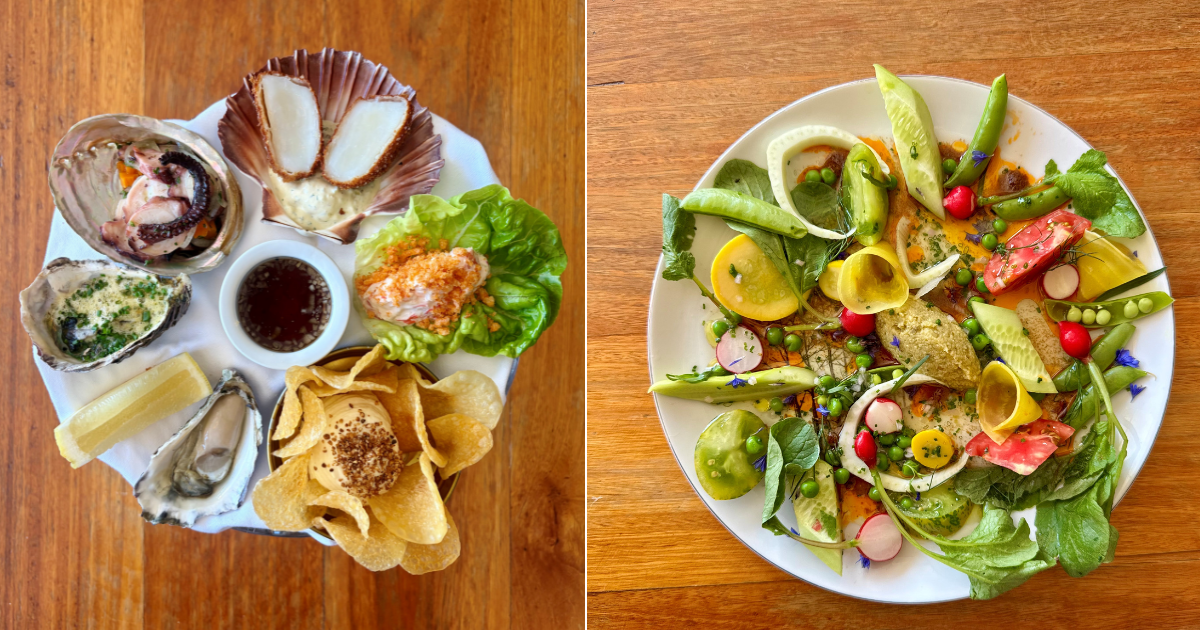
< He points to a daube of beef as an example. Marinate it properly. Use a good stock and plenty of red wine. Caramelise the vegetables properly. Pass the pommes purée until it is smooth. Make sure it is seasoned properly and served hot.
None of that sounds dramatic. That is exactly why it matters.
For Nik, classics only stay great when the small steps are respected. Skip them, rush them or accept less from them, and the quality starts to fade.
Leading from the front
Nik says leadership has turned out to be the most important lesson of his career.
The best chefs he worked for were fully immersed in the everyday life of the restaurant, and that is what he believes in now as a head chef and owner.
“To inspire the team, you have to be part of the team.”
At Porcine, standards are kept tight. The restaurant runs four days and six services back to back with the same team, which helps keep everyone focused and clear on the level expected.
“The standard. Once you set it, don’t budge, don’t accept anything less.”
He is also clear that standards should not stay still. Once a team understands the level, the job is to keep growing it and bring everyone with you.
Serious food, no pretence
Porcine may be food-driven, but Nik is quick to say it is not all about the food.
“It’s all about the people, the staff, the customers and everyone in between that has been part of the story so far.”
That is probably why the restaurant feels warm rather than overly formal. Nik says they have trusted the process, stuck to their guns and tried not to take themselves too seriously.
“After all it’s just lunch and dinner.”
It is a good way of understanding the restaurant. The standards are high, but the experience still feels human.
Bocuse, pressure and what comes next
Nik says Bocuse d’Or is a very different kind of challenge from restaurant service.
There are no customers, only judges, and the pressure comes from precision, scrutiny and repetition. He says he has entered competitions at different points in his career to test himself and keep his standards honest.
The Golden Knife gave him another way to do that.
“It’s high pressure but different pressure,” he says. “I find it equally terrifying and thrilling at the same time.”
Looking back, he points to several major turning points, from discovering pastry during his apprenticeship at Bathers Pavilion to the years he spent at The Ledbury. Those experiences changed the way he cooks and the way he leads, and he says that influence still runs through Porcine now.
As for what comes next, the answer is simple.
“From here we just keep on doing us.”
With L’avant Cave now part of the fold and Porcine continuing to grow, Nik sounds grateful for what has been built and clear about what matters.
“The success of Porcine has far outweighed what we thought we would ever achieve,” he says. “So the idea is to just keep it rolling.”





