Rick Stein’s Coogee opening has been talked about for months, but the real story is not the location or the name. It is the sourcing. The menu is being shaped by NSW waters, coastal suppliers and availability, not trends or nostalgia.
When a big-name chef opens in Sydney, most coverage fixates on interiors, bookings and signature dishes. What rarely gets explored is the part chefs pay attention to first: the supply chain. The fishers, wholesalers, tides, quotas and weather patterns that dictate what actually lands on the pass. Rick's new Coogee restaurant is an opportunity to talk about all of that, because the story behind the menu is more interesting than the celebrity attached to it.
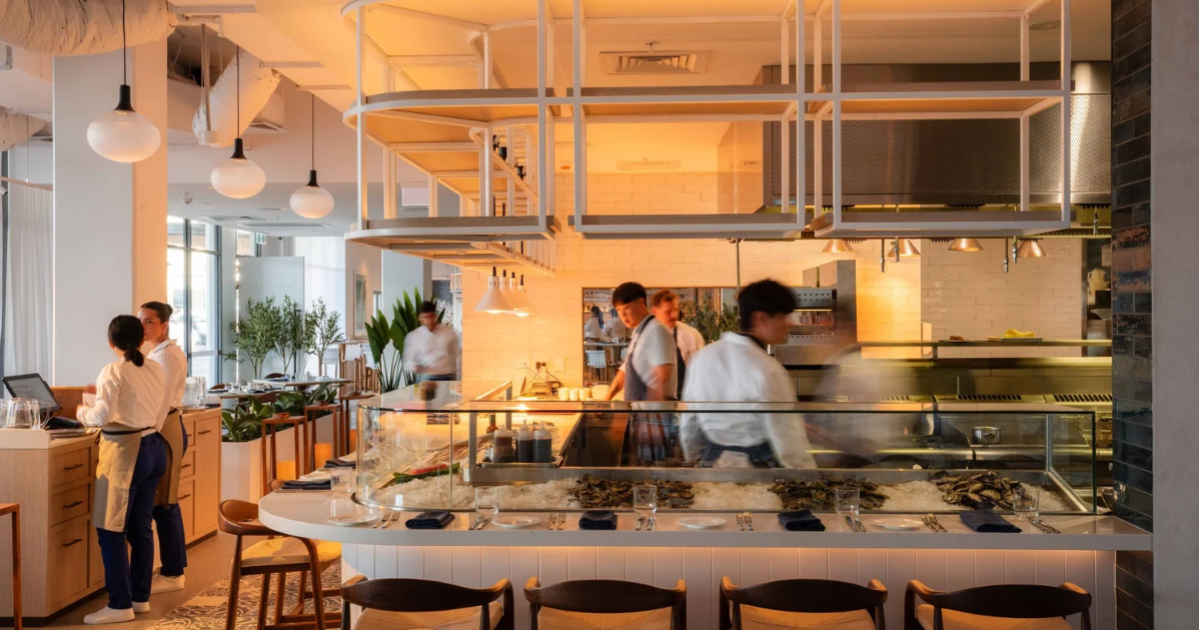
This is Rick’s first Sydney restaurant after years of running regional venues in Mollymook and Port Stephens. Coogee brings new pressures: a larger dining room, a denser market, and a faster pace than the coastal towns where the Bannisters kitchens have traditionally flourished. The challenge is simple and compelling: can a produce-first, coastal philosophy survive and thrive inside a 224 seat metropolitan restaurant?
The early signals suggest it can, but only because the team is rebuilding its supply chain for Sydney’s scale while staying anchored to regional producers and the waters they rely on.
Bridging Coastal and City Supply Worlds
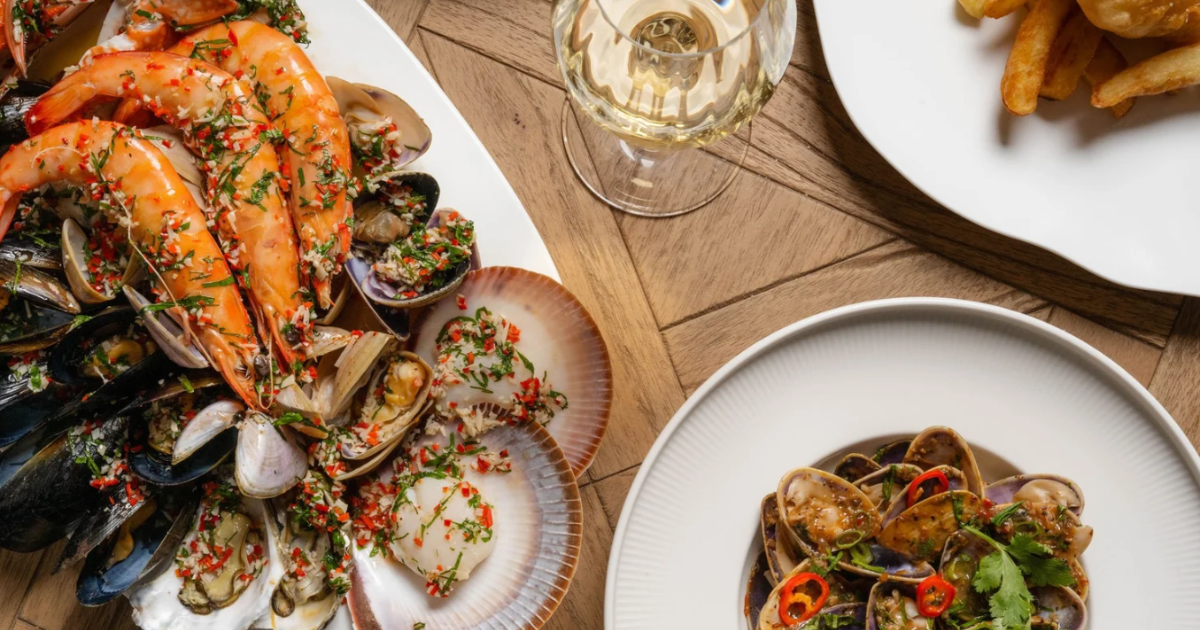
Rick’s Australian restaurants have long worked with NSW coastal suppliers, and the Coogee launch material confirms that many of those relationships will continue. The early menu highlights are distinctly coastal:
- Mahi mahi from the Nelson Bay region
- Pipis harvested around Port Stephens
- Line-caught mackerel from Ulladulla
- Blue swimmer crab from northern NSW waters
These ingredients have shaped Rick’s regional menus for more than a decade, and they bring the same identity into Coogee: local seafood, cooked simply, sourced with intent.
What shifts in Sydney is the operational environment. Coogee sits inside a major hotel and relies on a broader network of wholesalers, markets and distribution channels built for speed and volume. It is not possible to run a 224 seat restaurant the same way you run a beachfront dining room in Mollymook. To make this work, the team is merging two very different systems: small regional operators who supply based on seasonality, and Sydney’s fast-moving metropolitan distribution network.
For chefs, this is the part worth watching. If Coogee succeeds, it shows that a restaurant on this scale can protect coastal provenance rather than dilute it.
Championing a Wider Range of Local Species
Although only a handful of species have been named publicly, the intention is clear. The menu will follow what is available, not what is convenient. Sydney has traditionally relied on a narrow set of favourites. Snapper. Flathead. Kingfish. Scallops. Reliable species that wholesalers can deliver every day of the week.
Ricks’s team has always pushed diners to look beyond that. Coogee continues this approach at a bigger scale, encouraging a broader, more honest expression of NSW waters. It also opens the door for underused species to gain traction, the ones chefs often champion but struggle to put in front of a mainstream audience.
This philosophy is especially relevant now, with weather volatility and shifting catch patterns affecting supply. It is a model built around agility. Availability changes, so the menu changes. It is seafood cooking the way it should be, but rare to see in a venue of this size.
Working With the Ocean, Not Against It
The biggest operational pressure for the Coogee team will come from the ocean. Weather events can interrupt supply for days. Swell patterns can shut down pipi harvesting. Quota changes can dramatically alter what lands at market. A kitchen that relies on coastal produce has to be ready for all of it.
These are the realities chefs know well but that consumers rarely see. They affect prep lists, inventory decisions, dish rotation and team structure. They force a kitchen to be active rather than rigid. Coogee’s success will depend on how well the team understands and adapts to the rhythm of the water.
This also reflects a different mindset to many city restaurants. Instead of building a menu around consistency, Coogee is building one around flexibility. That shift alone signals something important: diners can be taught to appreciate variation when the variation is honest and well communicated.
Colin Chun’s Role at the Pass
While Rick sets the direction, head chef Colin Chun runs the kitchen. His background includes more than two decades in large-scale hotel operations, including senior roles at Hilton Sydney and multiple properties in Asia. This experience matters. It means he knows how to structure a brigade, maintain standards at volume, and manage complex operations without sacrificing quality.
His job in Coogee is to translate Rick’s produce-first philosophy into a kitchen with hundreds of covers and constantly shifting supply. If pipis drop out of availability, he adjusts. If the mackerel catch is light, he pivots. If weather disrupts the fishing grounds, he builds alternatives that still reflect the restaurant’s intent.
This is the kind of work that defines a good seafood kitchen. It requires understanding, not ego. Patience, not panic. And it rarely gets talked about, because it does not fit cleanly into a launch headline. But chefs will recognise the importance of Colin’s role immediately. He is the link between Rick’s coastal thinking and the reality of running a large Sydney restaurant.
Provenance Over Presentation
The launch messaging puts significant emphasis on local and regional seafood. There is no detailed traceability system outlined, but the philosophy is clear: the identity of the menu comes from where the seafood is caught, who caught it, and how it was harvested.
It is a direction many chefs have been moving toward already. Naming catch regions. Naming methods. Giving credit to the people behind the ingredients. It gives diners a clearer understanding of what they are eating, and it builds trust. A restaurant like Rick’s, with considerable visibility, can help shift expectations more broadly across the city.
If provenance becomes part of the standard conversation in Coogee, it has the potential to influence how other Sydney restaurants discuss their seafood, and what diners come to expect.
Why Chefs Should Pay Attention
Rick's Coogee is not simply another international expansion. It is a test case for whether a regional, tide-led sourcing model can survive and succeed inside a major Sydney venue. If it works, it could influence:
- how busy restaurants buy seafood
- which species become acceptable or even celebrated
- how provenance is communicated to diners
- how regional fishers connect to urban kitchens
- how chefs talk about availability instead of consistency
If the restaurant succeeds, it will be because the team kept the sourcing honest. Not because of the hype. Not because of the name. Because they placed NSW waters at the centre of the menu and built everything else around it.
That is what chefs will notice first.





