John Chantarasak: AngloThai’s journey from pop-up to Michelin star


While there were just three months between opening and earning a Michelin star for John Chantarasak at AngloThai, the accolade was years in the making.
AngloThai, as the name suggests, is a fusion of Thai flavours and British produce, mixing both halves of John’s heritage.
The restaurant, a joint venture by John and wife Desiree, has not even been open for a year yet, but is already on the culinary map of London.
“Once I stepped into a professional kitchen and started cooking, it felt very obvious to me that I would always want to open a restaurant of my own,” John explained.
“I had no idea how to do that. I had no money to do it. When I met Desiree, I kind of pushed this dream on to her and she wasn't even in hospitality at the time. Since then, she's retrained also to study her WSETs and now is a Master of Wine.
“So it was very much something that I had as a dream but didn't know how it would get from A to B.
“When I was in the kitchen, I really loved creating dishes of my own.
“So it was always kind of bubbling in the background.”
He continued: “It definitely took a little bit longer than expected.
“Many things that you don't know about in terms of finding the investment, finding a landlord that will support you and support your vision, and also just sticking to the integrity of what you believe in for your concept.
“Those three key things, they've taken time for us, but I think the proof is in the pudding in terms of what we've created. I think we've come out of the starting blocks with real energy and vigour and boldness.”
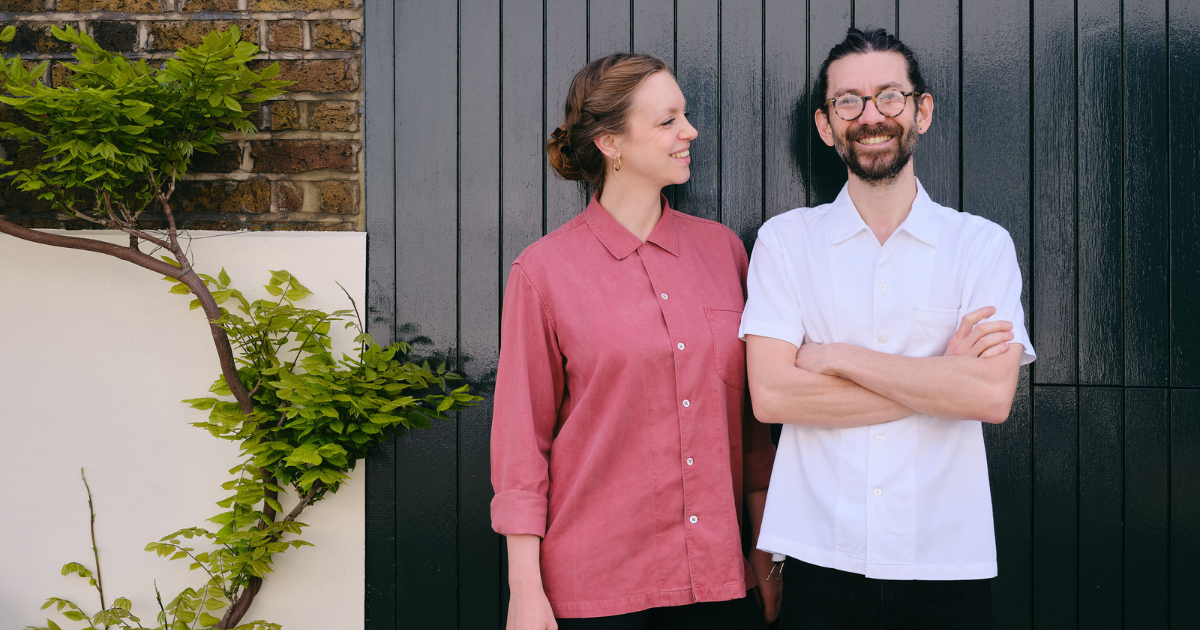
Balancing Thai flavours with British produce
Prior to developing AngloThai, John worked at restaurants such as Nahm in Bangkok and Som Saa in London, following his training at Le Cordon Bleu.
“My love and passion for food came from a very early age, but somewhat through osmosis,” said John.
“I'm the first in my family to step into hospitality. It was never anything that was on the cards at an early age and it was a bit of a last roll of the dice for me to go into catering school and end up where I am today.
“I was very fortunate to grow up in a family where my mother would put fresh meals on the table. We had a small allotment when we were growing up and there was a bit of an understanding there from an early age about where ingredients came from and what needed to happen to get fresh, nourishing food on the table.
“We were also very fortunate to travel quite frequently when I was a child. With my father being from Bangkok originally, we would travel back and forth as children to go and see that side of our family and were exposed to lots of different foods and wonderful things and different kinds of markets when we were young.
“I think all of those experiences kind of galvanised themselves into a love of food and a deeper understanding of where food came from.”
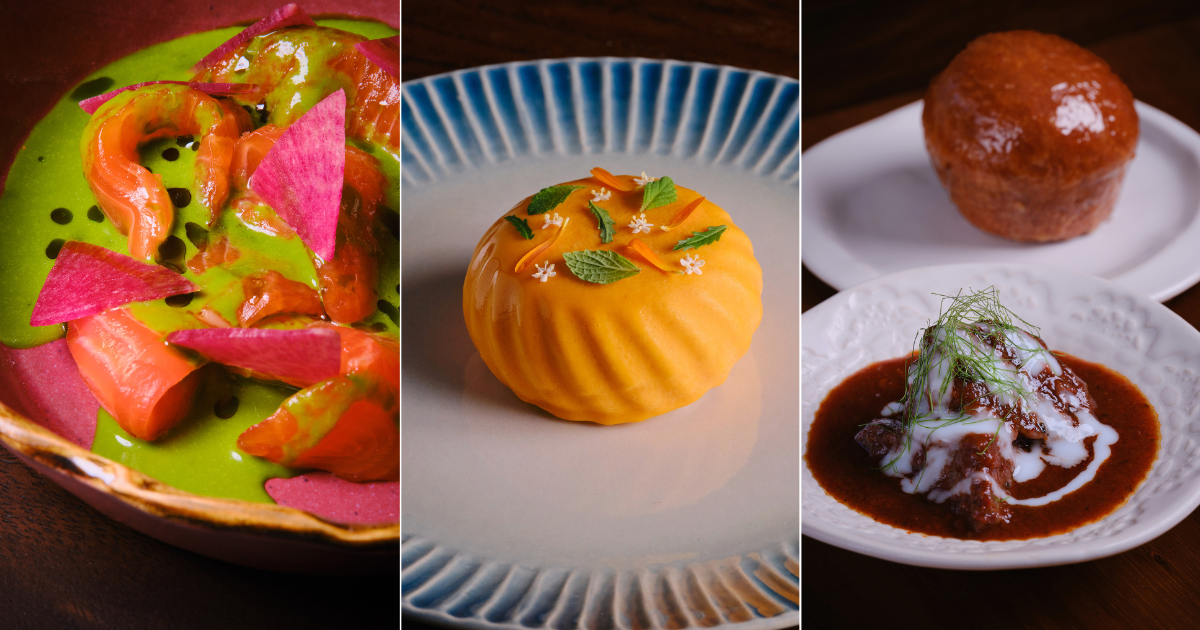
He added: “Like many other people, watching Jamie Oliver and Ready Steady Cook, I started to have a dabble myself with cooking.
“From then on, as soon as I got in the kitchen, started cooking food for myself, I started realising how rewarding it was to be able to cook something delicious and go out, buy the fresh produce and be able to produce something and be quite proud of that.”
John credits chefs David Thompson and Andy Oliver for playing pivotal roles in his culinary journey, which have ultimately seen him bring his knowledge of Thai cuisine to a western audience, initially as pop-ups, before a bricks and mortar site in Marylebone.
“My heritage is probably the main linchpin of the whole restaurant,” John said.
“My father was born and brought up in Bangkok, my mother born in Cornwall, has family there but grew up in Kent.
“So from day one when I went and trained in Thailand, learnt about Thai cuisine and learnt more about that side of my culture and my heritage, I knew I wanted to come back and open a restaurant in the UK.
“But I knew that I would also want to use the local produce available
to me. The resourcefulness and the larder of the seasonality of the UK really informed what AngloThai is today.
“It didn't look exactly like this 10 years ago, but over those 10 years we have adapted and changed the concept and tweaked it along the way.
“What we've come out with now I think is really quite unique and it really speaks to both sides of my heritage with a lot of love and respect and passion.”
He added: “When it comes to Thai cuisine, there are four Ss that are synonymous with the cuisine - salty, sweet, spicy and sour.
“We take those four Ss and we try and think how about how we can apply that to the ingredients we have here.
“For instance, with sweetness, we do use some artisan palm sugar, but we're driving that down now in favour of using local produce. So instead of palm sugar we use a local honey from Glastonbury.
“Then sourness, we do use citrus when it's seasonally available in places like Spain and Italy, but most of the time we're using things like green gooseberries, rhubarb and sea buckthorn in our cuisine.
“The kitchen here at AngloThai is set up in a way that we pay tribute to traditional southeast Asian Thai cooking, with a charcoal grill, but also we use a lot of modern techniques and modern kit.”
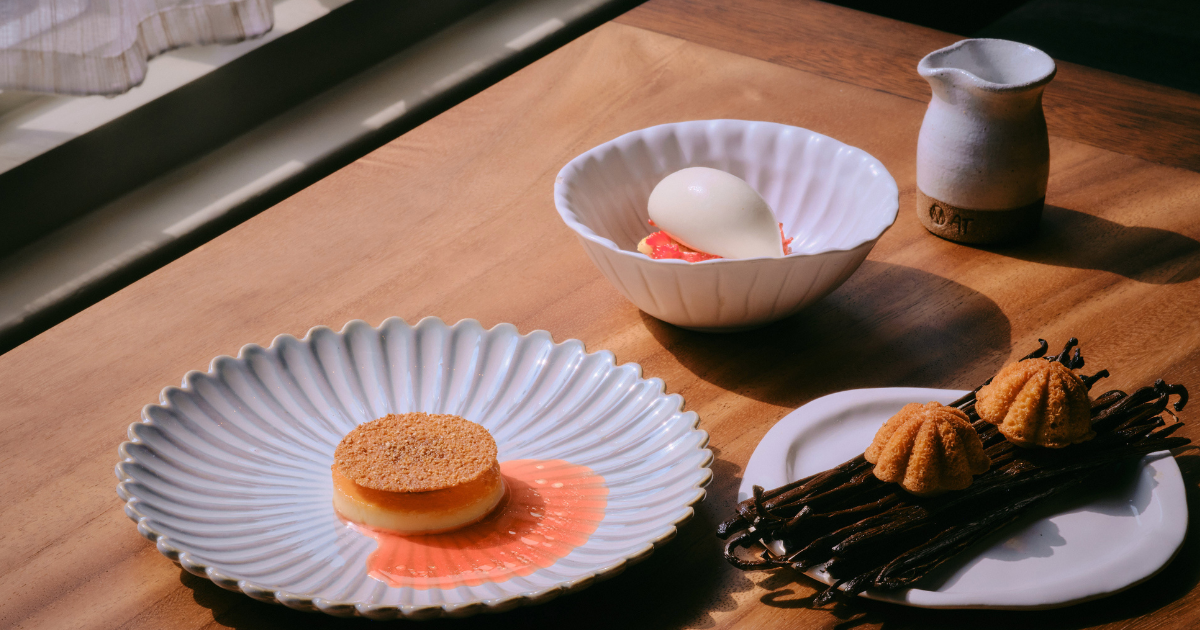
Building AngloThai with Desiree and a vision for seasonality
Discussing his work with suppliers, John said: “I think it's my responsibility to bring exciting produce into this restaurant, not only for the team to work with, but also for us to serve our guests.
“A lot of that means going out and searching for these people.
“I feel that there's a responsibility to be cooking locally and seasonally.
“I know that you can get pretty much anything you want in central London, but it doesn't really excite me or drive me. I would much rather be able to pick up the phone, know that the person I'm speaking to is only a few miles from this restaurant and have that dialogue.
“Now we're forming a relationship with our farmers and our growers to say, can you grow us this type of chilli? Can you grow us this kind of herb? And those are things that are really particularly interesting to me.”
He added: “We're a small island surrounded by coastline. In my opinion, we have the best seafood in the world.
“Then in terms of our arable agriculture land, we have perfect land for growing vegetables and rearing animals as well. I really don't think that it makes any sense to be importing anything from overseas when it comes to those ingredients because we have these ingredients already on our doorstep.”
Recognition and responsibility: earning a Michelin star
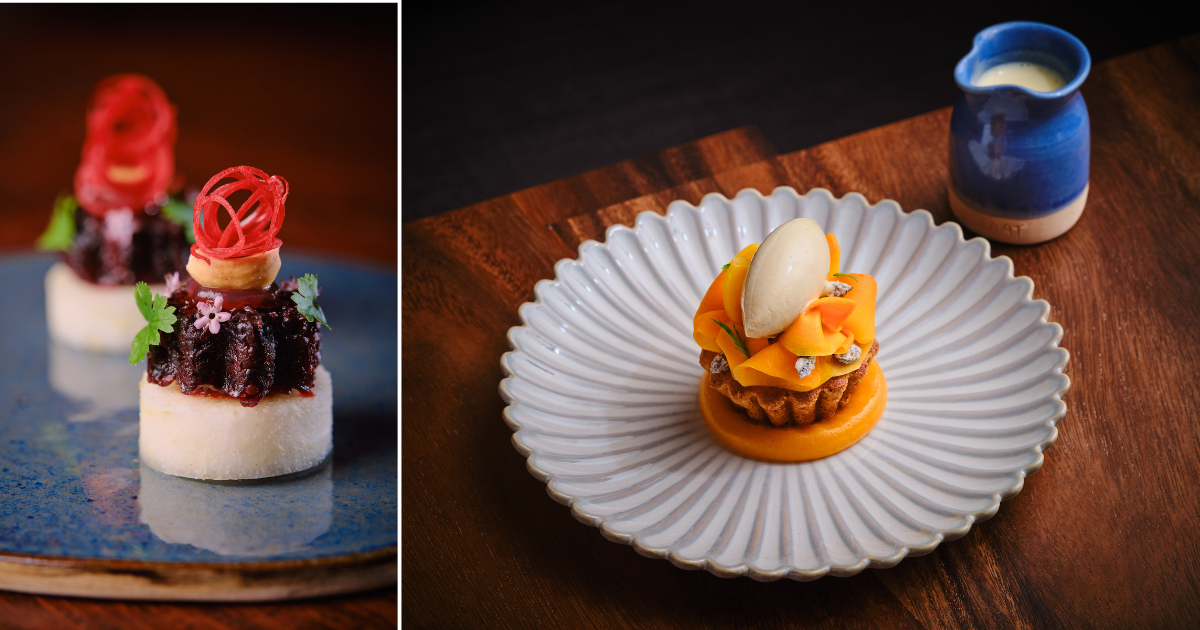
John’s concept was instantly recognised on the highest of stages, earning a Michelin star earlier this year.
“We’ve achieved a lot in a relatively short amount of time, but we feel like there's a lot more to do,” he said.
“We haven't even been through the full four seasons yet with this restaurant, which is quite remarkable.
“Achieving the Michelin star was more than a dream come true.
“I'd be lying if I said we weren't aiming to try and reach those levels, but it's a very subjective thing. We as people hadn't worked in a number of different Michelin star restaurants. We didn't even know if we would be on the map for that kind of thing.
“Opening the restaurant was the dream come true. The Michelin star was just the icing on the cake.
“It was quite a surreal moment when that happened for us. But we don't take it for granted. We're very proud of it.”
He added: “We take inspiration from Thailand, but we very much like put our own stamp on it.
“I think a lot of restaurants sometimes get a little bit lost in their journey of what they're trying to achieve. But, actually, it's your responsibility to make tasty food. And that's like the most important thing at the end of the day.”

For 18 years, The Staff Canteen has been the meeting place for chefs and hospitality professionals—your stories, your skills, your space.
Every recipe, every video, every news update exists because this community makes it possible.
We’ll never hide content behind a paywall, but we need your help to keep it free.
If The Staff Canteen has inspired you, informed you, or simply made you smile, chip in £3—less than a coffee—to keep this space thriving.
Together, we keep the industry connected. Together, we move forward.
Support Us
CONTRIBUTE

John Chantarasak: AngloThai’s journey from pop-up to Michelin star


