How restaurants can win with cocktails


Cocktails are one of the fastest growing categories in the out-of-home drinks sector. We explore some of the ways restaurants can integrate them into their offerings.
Cocktails have been present on drinks menus for a long time, but more recently they’ve taken on a bolder role.
Today the simple martini, or a gin and tonic, once served as the warm-up act to a meal, are joined by more flamboyant friends - like Elphaba’s Potion, a concoction of Palmaráe gin, Sapling Vodka, elderflower, butterfly pea, horseradish and sugar snap pea, served at Adam Handling’s recently relaunched venue Eve Bar, or Christopher’s Restaurant & Bar’s dessert replacement the Apple Pie Tini – a Cinnamon infused Stoli salted caramel vodka, crème de manzana verde, caramel syrup, apple and lemon juice - to be enjoyed at any part of the experience.
From single sips and long serves to pairings and desserts, creativity knows no bounds in today’s cocktail world. From the long lists of increasingly exotic ingredients being used, to how and when they are served, it’s a fascinating time for these potent beverages and those concocting them.
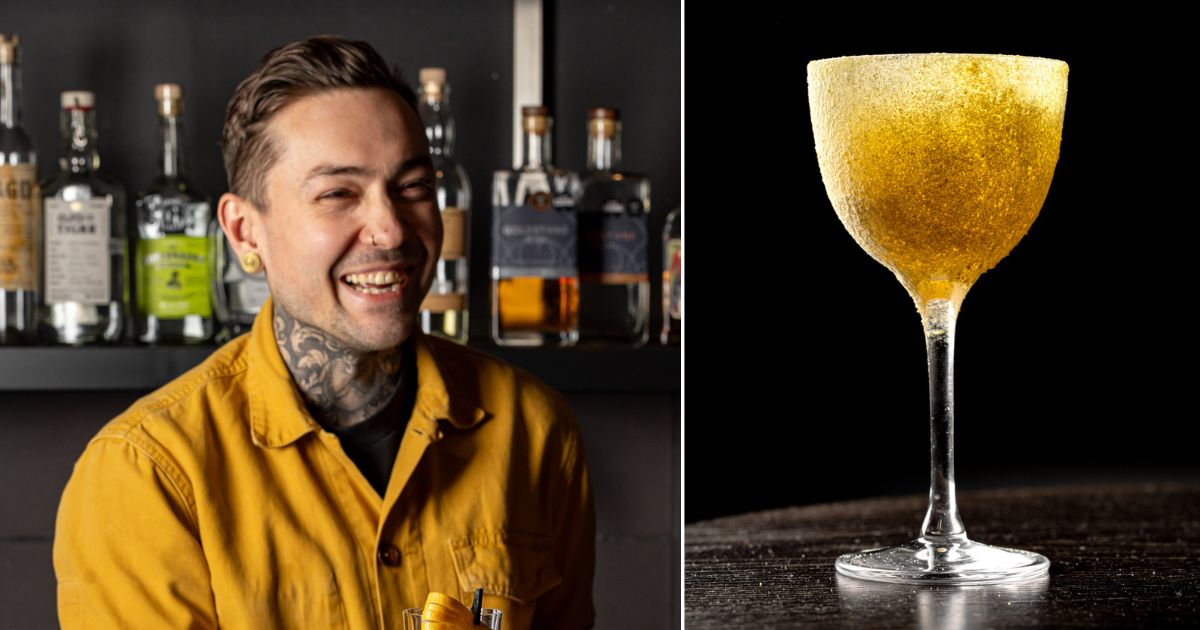
Anthony Tempia, bar manager at etch, the flagship restaurant of MasterChef: The Professionals winner Steven Edwards, is embracing this adventurous era by producing some innovative serves for the Hove restaurant.
They include the quirkily titled ‘a film by Quentin clementino’, a long cocktail featuring a heady list of ingredients: Ginato clementino gin, Italicus bergamot liquor, Suze, sage syrup, peach bitters and acid clementine juice, which is clarified with a mango, papaya and passionfruit yoghurt.
“It’s essentially a negroni twist for people who don’t like negronis, packed with tropical fruity notes,” Anthony explains.
The commercial case for cocktails
The a film by Quentin clementino is a popular choice at etch, but cocktails, in general are favoured by its diners. So far this year, the restaurant has shaken and served over 1,100 cocktails, which make up 12 per cent of drinks sales.
Etch’s experience aligns with wider trends. A report by Lumina Intelligence released at the end of last year, found that cocktails were one of the fastest growing categories in the drinks sector, with both spirits and cocktails gaining market share.
Meanwhile Bacardi's 2026 Cocktail Trends Report for 2026, revealed that cocktails are growing in popularity with Gen Z. According to the findings, 32 per cent of 18-29-year-olds are more likely to drink cocktails than wine, while half said they would rather celebrate a special moment with a cocktail than Champagne.
Using cocktail pairings to complement the menu
The rising demand for cocktails presents opportunities for restaurants, especially those willing to think outside of the box.
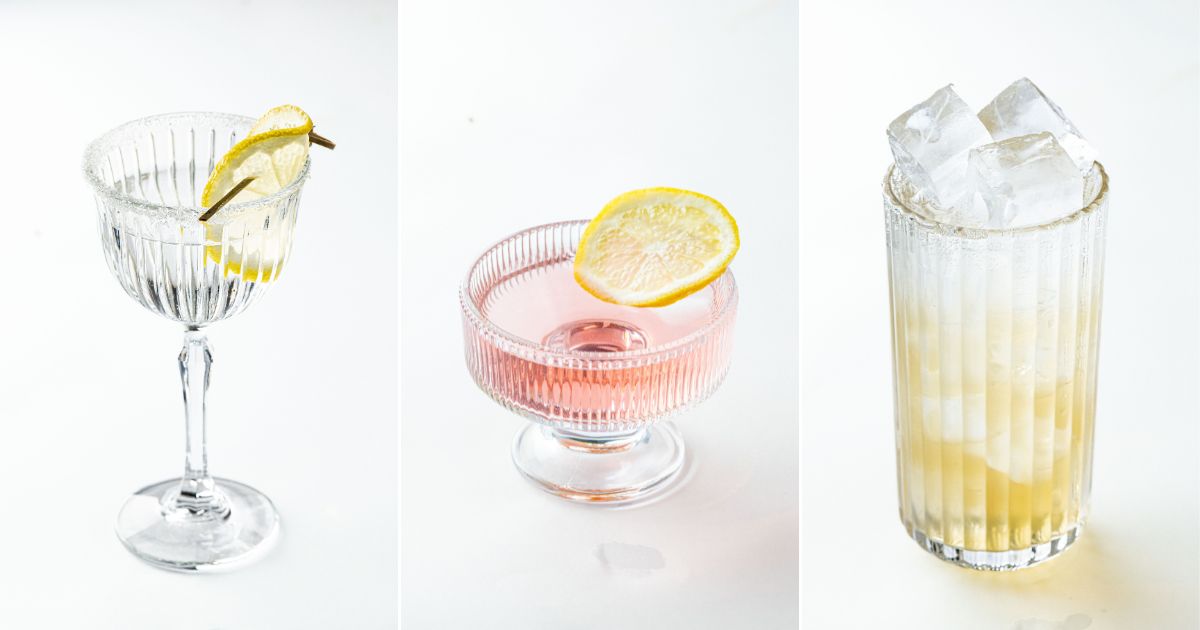
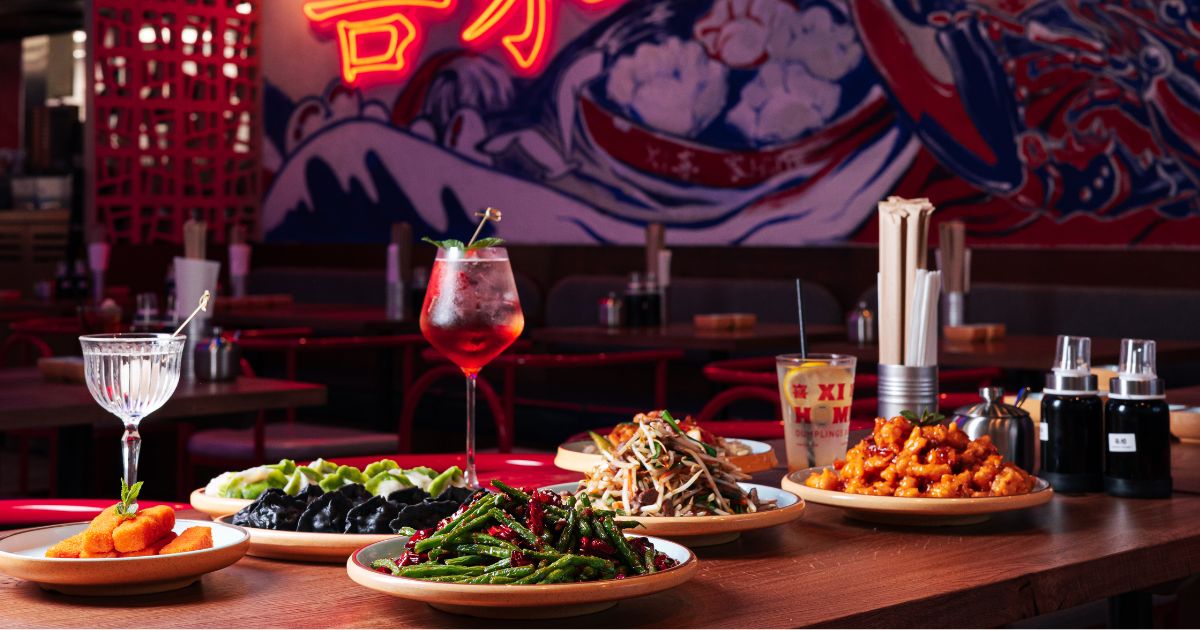
Last month, Spitalfields dumpling restaurant XI Home Dumplings Bay, did just that by working in partnership with English sake brand Shogun Sakes. The restaurant and sake producer created five cocktails designed to complement dishes on the menu.
The five serves – Cucumber Sake Spritz, Apricot Gimlet, Shogun Margarita, Peach Cosmopolitan and Penicillin Highball – are all built on Shogun’s sake, brewed in Peckham – and are on the menu as suggested pairings to dishes like XI Home’s jade lobster dumplings and cucumber salad; wasabi prawn balls; spicy pork dumplings and Zha Jiang noodles.
“We've always believed the right drink transforms a meal and working with Shogun Sakes felt like a natural fit,” says XI Home Dumplings Bay owner Wenjun Xiang, who believes using sake, which has a much lower alcohol content than many spirits, as the hero ingredient in each of the cocktails made them more suitable as pairings to their dishes.
“Sake is one of the most food-friendly drinks,” she says, “but beyond that, we are seeing a real shift in how people approach drinking; guests are increasingly seeking out low-alcohol alternatives and becoming much more mindful of what they consume.”
Matching cocktails to dishes follows a similar approach to that used to match other drinks and food, says Shogun Sakes co-founder Pete Troiano.
“Our process always starts with a bit of menu exploration. We begin by breaking the dishes down into their core personalities, whether they are fiery and spicy, light and herbaceous, or rich and comforting.
“From there, we create a cocktail that offers both complementary and contrasting flavours. We love playing with the drink’s structure and length to perfectly balance the intensity of the food.”
Pete says spicy dishes need a drink that can stand up to the heat and flavour. For example, the Penicillin Highball, which includes Japanese whisky, ginger, citrus and orange blossom, as well as sake, is suggested as a match to XI Home’s Dandan noodles or spicy pork wontons.
“For lighter, more delicate dishes, we lean toward taller, spritz-based serves like our Cucumber Sake Spritz,” he adds.
“Seafood or delicate fish dishes thrive alongside a longer drink that has enough backbone and subtle sweetness to lift the food's natural flavours. If you were to serve a short, concentrated drink here, it would completely overwhelm the palate.”
Wenjun says there’s been a ‘fantastic response’ from diners at XI Home, with cocktail orders significantly increasing since the new serves were introduced on May 1.
However, while these lower ABV cocktails are great matches to XI Home’s dishes, traditional cocktails containing more potent spirits and stronger flavours may not work so well.
Pairing can also be problematic from a service perspective, says Anthony at etch.
“Communication between bar, server and kitchen is extremely important, otherwise it can extend the period between courses should they not receive the drink in time. For this reason I think a cocktail pairing list should be separate from the main drinks list and be completely batched.”
Keeping the cocktail list short and focused
Cocktail pairings aren’t offered at etch. Instead, Anthony prefers to keep a short cocktail menu that he updates every two months to keep things fresh. Most ingredients are made in-house, including syrups, acid juices, foams and even a coffee liqueur, allowing him to tweak flavours to suit.
“The experimental phase of developing a menu is easily my favourite as you get to find out what works with what. Trying new things for every menu keeps things interesting and allows for constant improvement,” he says.
Dessert cocktails and the end-of-meal opportunity
As far as trends are concerned, Anthony is seeing more diners choosing cocktails with, or as desserts. Nostalgic, familiar flavours with a creative twist are also popular with diners.
“Currently on our dessert cocktail list we have a Pornstar/Solero ice cream hybrid which uses Passoã, Chamarel vanilla rum, acid camomile, green strawberry bitters and milk punch, which is topped with a mango vanilla cream. I find that when we do a twist on an existing product it gives our guests a sense of familiarity, making them more likely to try it.”
If you’re looking for an easy win with cocktails, developing a few that would work well at the end of a meal – those that are sweet and decadent – would be a savvy move.
According to Bacardi's 2026 Cocktail Trends Report for 2026, a growing number – 48 per cent – of Gen Z diners prefer an Espresso Martini over an espresso at the end of a meal.
Making cocktails easier to sell
But if you don’t have time or resources to experiment, how do you maximise opportunities with cocktails in your restaurant?
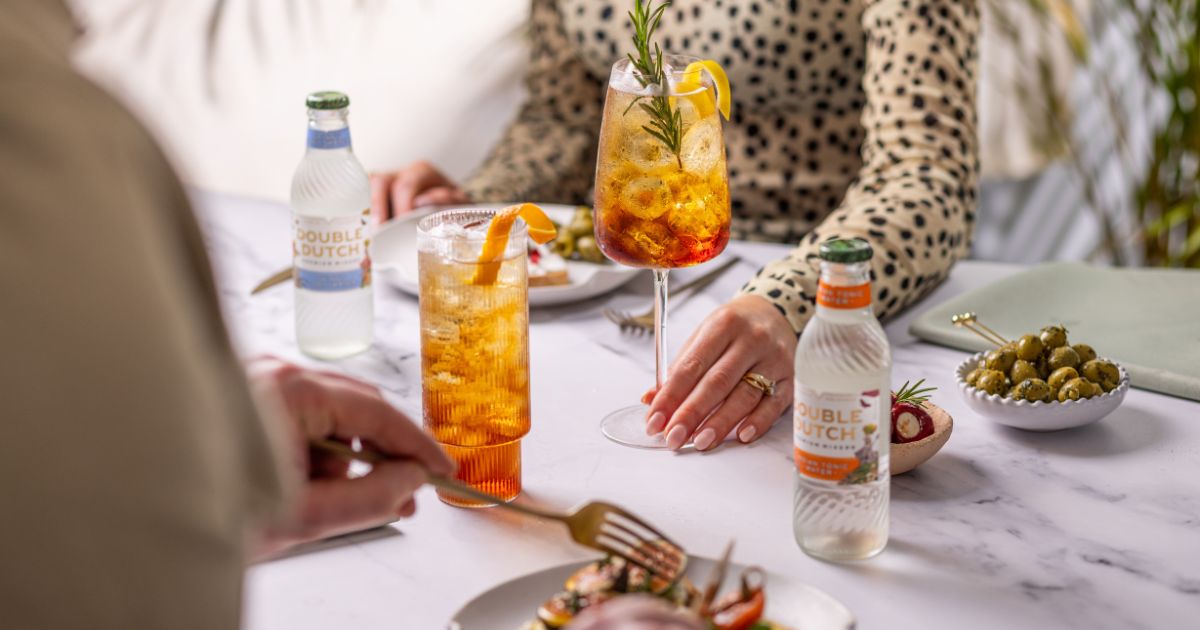
“From a commercial perspective, making cocktails stand out is often less about gimmicks and more about visibility, confidence and simplicity,” says Raissa de Haas, co-founder of premium mixer and tonic brand Double Dutch.
Raissa, whose drinks are listed with restaurants such as Soho House, Hakkasan, Chotto Matte, Cecconis, Dishoom and Gaucho, recommends investing in quality ingredients and training waiting staff to talk genuinely and confidently about what’s in the cocktail, why its flavour profile is interesting and what it may pair with on the menu.
Focusing on presentation is also key.
“Glassware, garnish and overall serve style act as silent marketing because every cocktail that leaves the bar is seen by the rest of the room. There’s a real ‘I want what she’s having’ effect when drinks look distinctive and premium,” she says.
Changing menus frequently – as Anthony does at etch – is another way to retain interest.
But if resources are low or you’re in any doubt, just keep it simple.
“A concise, well-executed cocktail list tends to outperform an overly long menu. Guests are more likely to order confidently when choices feel curated rather than overwhelming.”
(Written by Emma Eversham)

For 18 years, The Staff Canteen has been the meeting place for chefs and hospitality professionals—your stories, your skills, your space.
Every recipe, every video, every news update exists because this community makes it possible.
We’ll never hide content behind a paywall, but we need your help to keep it free.
If The Staff Canteen has inspired you, informed you, or simply made you smile, chip in £3—less than a coffee—to keep this space thriving.
Together, we keep the industry connected. Together, we move forward.
Support Us
CONTRIBUTE
How restaurants can win with cocktails


