Why chefs are the early-warning system for how Britain will eat next


Restaurants have always helped shape how Britain eats, but new research from The Staff Canteen and Hot Pickle suggests chefs and operators are now one of the clearest indicators of where UK food culture is heading next.
The Shifting Plate, a UK food and drink industry research project, surveyed 123 chefs and restaurant operators across independent restaurants, pub dining, hotel restaurants, groups and chains. Respondents included head chefs, chef patrons, owner-operators, general managers and executive chefs, with businesses ranging from under £15 to £150+ spend per head.
The value of that audience is important. This is not insight drawn from a consumer panel removed from the day-to-day reality of hospitality.
It comes from the people writing menus, buying ingredients, adapting to costs, speaking to suppliers and watching what guests order, reject, share and come back for.
That is why chefs matter in the food trends conversation. Restaurants are not simply a mirror of consumer behaviour. They are where ideas are tested with paying guests in real time.
As Ollie Lloyd explained during The Shifting Plate webinar, restaurants act as a live laboratory for food trends, with chefs and operators constantly testing dishes, ingredients and experiences before they move more widely into retail, home cooking and mainstream food culture.
For The Staff Canteen, that makes chef-led insight commercially valuable. When chefs see a shift in flavour, sourcing, portion size, dietary requests or spend, it is often an early signal of what suppliers, brands, retailers and operators will need to respond to next.
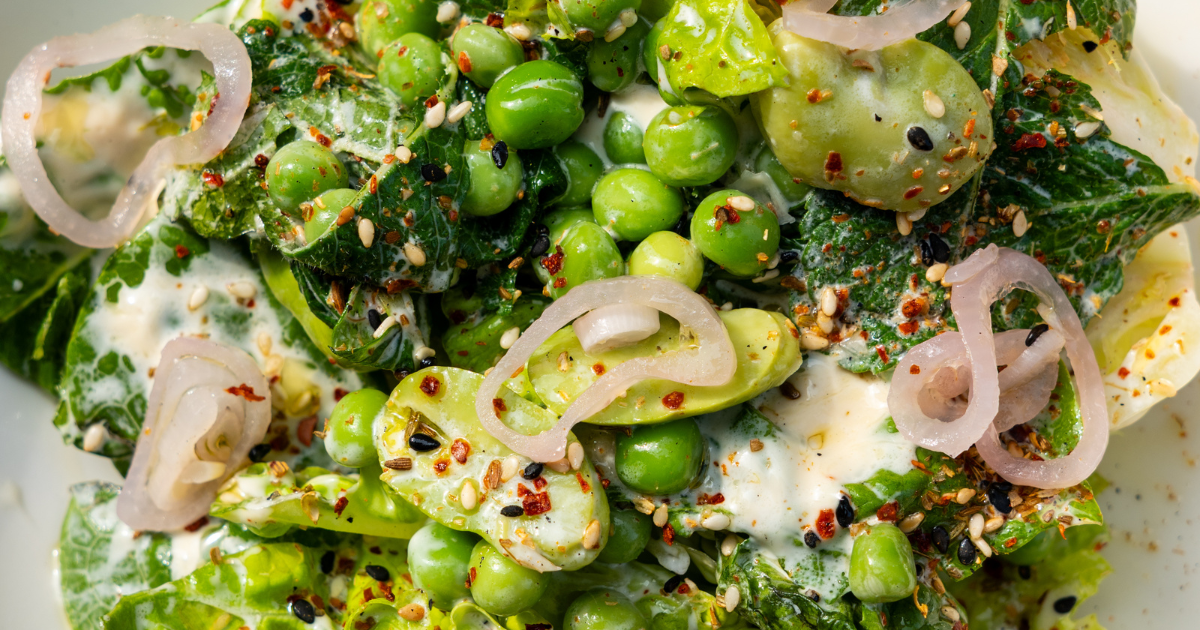
Healthy eating is being redefined by ingredients, not restriction
The clearest example is healthy eating. The research found that 70% of chefs and operators said diners now associate healthy food with natural and minimally processed ingredients. Gluten-free was reported as the fastest-rising dietary request, cited by 44% of respondents, compared with 15% for vegan.
That does not mean plant-based food has disappeared, or that vegan dishes no longer have a place on menus. It suggests the language around healthy eating has shifted. Diners are no longer defining health through one label alone. They are asking more questions about ingredients, processing, provenance, gut health and how food makes them feel.
This creates a different challenge for chefs. A menu cannot simply badge a dish as “healthy” and expect that to do the work. The dish still needs to deliver on flavour, satisfaction and value, while giving guests confidence in the ingredients being used.

Global flavours are becoming part of the British pantry
The research also shows how far global flavour has moved into British dining. The Shifting Plate found that 53% of operators are using more ferments and pickles, 40% are using more miso and koji, and 37% are using more seaweed. Korean and Japanese cuisines were identified as the biggest sources of new dish inspiration.
This is not simply about chefs adding international references to menus for novelty. The more interesting shift is that ingredients such as miso, koji, seaweed, ferments and pickles are becoming part of how chefs build depth, acidity, umami and balance.
Stuart Ralston, chef and owner of Aizle Restaurant Group in Scotland, said ferments are changing how chefs approach flavour.
He said: “We’re definitely seeing a shift in how chefs approach flavour, with ferments playing a big role in that. Ingredients like miso or koji bring a depth and savoury quality that’s hard to achieve otherwise.
“At Noto, those elements can be a bit more expressive, but they’re still used with intent rather than for impact.”
This is where chef insight becomes useful beyond restaurants. What appears first as a technique or ingredient in progressive kitchens can later become part of the wider food landscape.
Yuzu, miso, kimchi and gochujang have already shown how quickly restaurant language can move into retail and home cooking. The current growth in ferments, seaweed, koji and regional Asian influence may be a signal of what follows.

Provenance has moved from premium claim to commercial expectation
The same is true of provenance. According to the research, local sourcing is the number one provenance claim that matters most to diners, cited by 65% of respondents. More than half of operators said they already source primarily from local suppliers, while 71% said they would pay or charge more for verified provenance.
That matters commercially. Provenance is no longer only an ethical or premium positioning tool. It is becoming part of how restaurants build trust, justify value and tell a clearer story around their menus.
Mitch Tonks, founder and CEO of Rockfish and founder of The Seahorse, said there is also a wave of creativity around seafood, with chefs, home cooks and fishermen using social media to make the category more visible.
He added: “Working with seafood also requires a high level of skill, so more chefs are choosing to specialise in it.
“Ultimately, we know that people want to eat really good seafood - it’s healthy and a great source of protein - and they’re gravitating towards places that can offer both freshness and guaranteed provenance.”
That is a useful example of how several trends overlap. Seafood speaks to health, protein, provenance, skill and quality at the same time.
For chefs, the challenge is not just sourcing well. It is communicating that value clearly enough for guests to understand why it matters.
Diners are spending differently, not simply spending less
The research also highlights a more deliberate approach to dining out. Operators are seeing pressure on spend, but the picture is not as simple as guests leaving restaurants altogether.
The Shifting Plate found that 37% of operators said guests are trading down or becoming more price-conscious, while 25% reported increased spend on tasting menus, pairings and chef’s tables. Nearly half said they had cut portion sizes in the last 12 months.
That suggests the diner of 2026 is becoming more selective. Guests may be eating out less often, choosing more carefully or watching the total bill more closely, but they still want quality and experience when they do spend.
Nicola Tickle, co-owner of Heft in Newton in Cartmel, described the shift as one of quality over quantity.
She said: “I would say we’re seeing people less often in the restaurant, but when they do come, they’re making different choices. Perhaps more careful, but not always the cheap option, but rather quality over quantity. Less but more!”
That “less but more” idea is important. It suggests value is not only about price. It is about whether the experience feels worth it. For operators, that can mean rethinking menu structure, portion size, entry price, supplements, drinks, snacks and the story around ingredients.
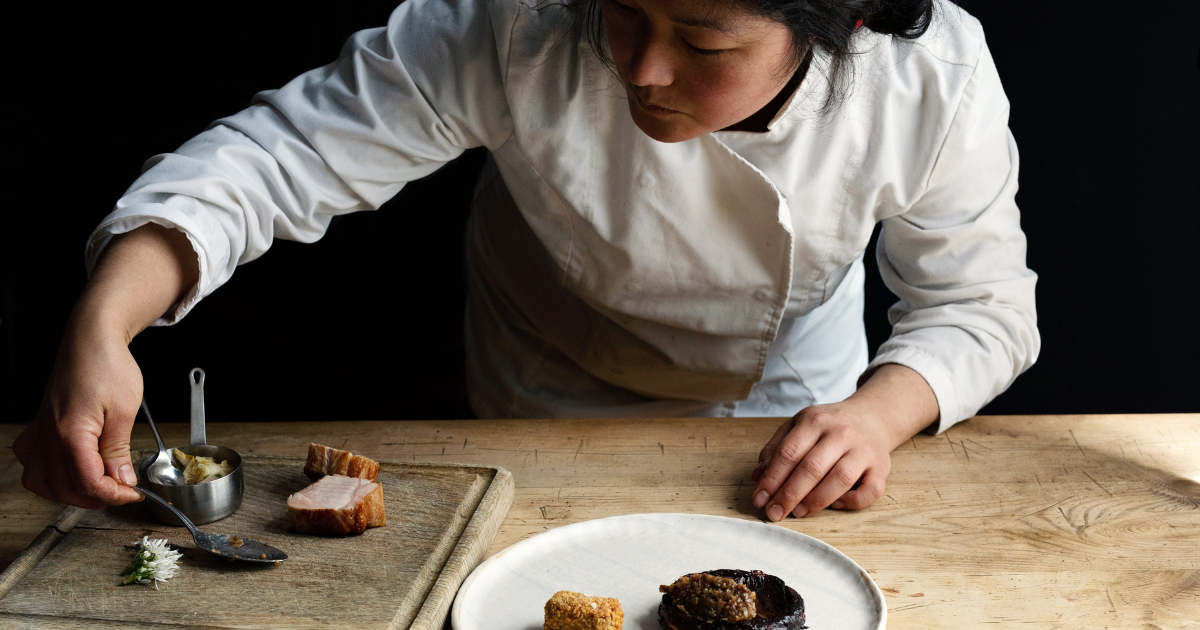
James Ratcliffe, GM of The Black Bull and Tsuchi by Nina Matsunaga in Sedbergh, said customers are more price-conscious than ever, but that lowering the entry point can change behaviour once guests are through the door.
He said: “We have tried to lower the ‘entry’ price. Like the tasting menu at £79, with added supplements, so people can ‘beef’ up their meals, and more often than not, they do. It just seems you now need to somehow lower the price to get them in through the door, but once they are in, they aren’t as bothered.”
This is where chef and operator insight becomes commercially sharp. It shows not only what diners say they want, but how they behave when faced with real choices on a menu.
Why The Staff Canteen’s network matters
Taken together, the findings point to a British dining scene that is shifting on several fronts at once. Healthy eating is being redefined around natural and minimally processed ingredients.
Global flavours are becoming part of everyday menu development. Provenance is becoming central to trust and value. Diners are spending more selectively, but still looking for quality, flavour and experience.
The common thread is that chefs and operators see these changes early because they are dealing with them every day. They know what guests ask for, what sells, what needs explaining and what is no longer working.
That is what makes The Staff Canteen’s position distinctive. Its chef and operator network gives it access to a frontline view of UK hospitality that is difficult to replicate through conventional consumer research alone.
For suppliers, brands, retailers and hospitality businesses, that matters. The next major food trend is unlikely to appear fully formed on a supermarket shelf. It is more likely to be tested first through a menu, a special, a pairing, a supplier conversation, a dish that starts selling faster than expected or a guest request that keeps coming back.
The Shifting Plate research suggests chefs are not only responding to the future of British dining. They are helping shape it.
This article is part of The Shifting Plates, a research series from The Staff Canteen and Hot Pickle exploring how chefs and operators are shaping the future of UK food and hospitality.


For 18 years, The Staff Canteen has been the meeting place for chefs and hospitality professionals—your stories, your skills, your space.
Every recipe, every video, every news update exists because this community makes it possible.
We’ll never hide content behind a paywall, but we need your help to keep it free.
If The Staff Canteen has inspired you, informed you, or simply made you smile, chip in £3—less than a coffee—to keep this space thriving.
Together, we keep the industry connected. Together, we move forward.
Support Us
CONTRIBUTE
Why chefs are the early-warning system for how Britain will eat next


