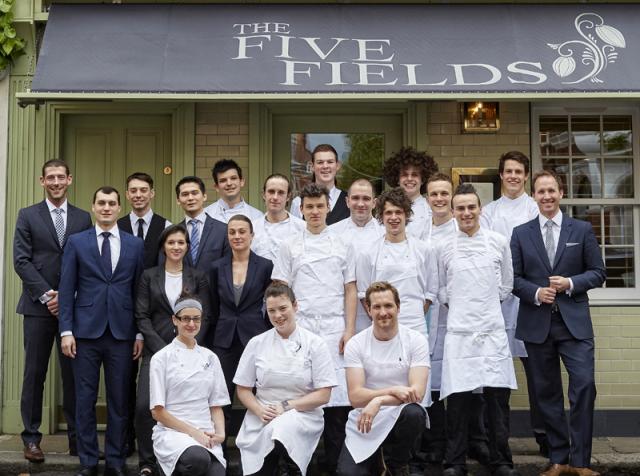
never really had a concept, it was interesting, innovative, basically British cooking but within the context of London which is a cosmopolitan and international city. The food is served considerately in a relaxed environment with great service. It’s a conventional concept but if you keep it simple it’s timeless.
The food has got much simpler – not as fastidious, or arduously plated, it’s more sophisticated than when we opened. We try to keep the number of flavours to a minimum.
What are typical dishes people can expect from your menu?
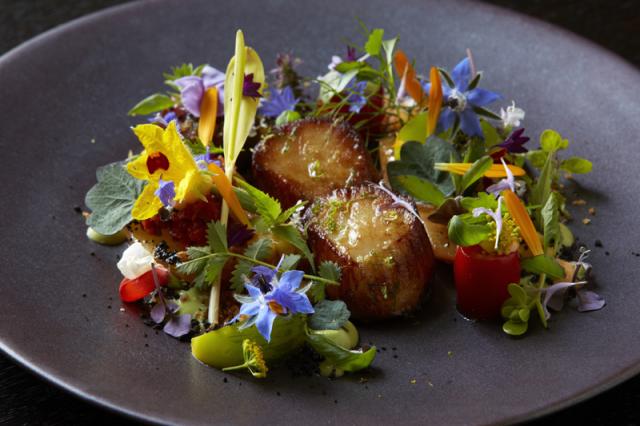
At the minute we have a pumpkin starter on which is essentially just pumpkin and mushroom but pumpkin is a very promising, underrated, unloved ingredient and there is a great deal you can do with it. We serve it with mushrooms in all kinds of ways, it’s called Dead Leaves and we use mustard frills from the garden which act as our leaf litter. So it looks, tastes and reflects late October – it’s really rich and generous and wholesome in flavour.
 You start with one ingredient and you dress it up, you also want to convey an outlook on how you perceive food and how you want people to perceive food. You still have to make it enjoyable, you can disappear down the vortex of self-indulgence!
We try to keep it extremely seasonal and without beating on about it I think that is pretty fundamental to a good restaurant in this climate.
You mentioned the garden, do you grow your own ingredients?
It’s a good sized plot in East Sussex, down in a field near my parents’ house. Matt our restaurant manager lives nearby so he collects our vegetables and fruit twice a week. Heather Young, formerly of Belmond Le Manoir Aux Quat’ Saisons, manages the restaurant’s vegetable garden – she’s a magician, everything she touches becomes verdant and bountiful.
We don’t grow staples like parsley and carrots but we have hundreds of herbs. We have some we don’t really know what to do with, the seasons come and go and we still can’t find something, which is appropriately delicious, to do with it.
You didn’t always want to be a chef did you?
It was a bit of a mistake, I came to it late I was 22 but I cooked threw my early teenage years and I enjoyed it but the lifestyle seemed brutal and I didn’t really fancy it. I studied History at university and I tried to get a nice job as an accountant but I was so miserable in an office I decided to give cooking one last go. It wasn’t any easier but it was a lot more enjoyable.
Did you always want your own restaurant in London and is it tough to be successful in the city?
London is where the people are and to open outside of London without a reputation must be incredibly difficult. We actually suppressed covers here because we wanted to get it right fir 30 people rather than have the wheels come off. We knew we could get those 30 people in and we never went out of our way to promote ourselves and we still don’t, it’s been very organic. There are still a lot of people who have no idea who we are.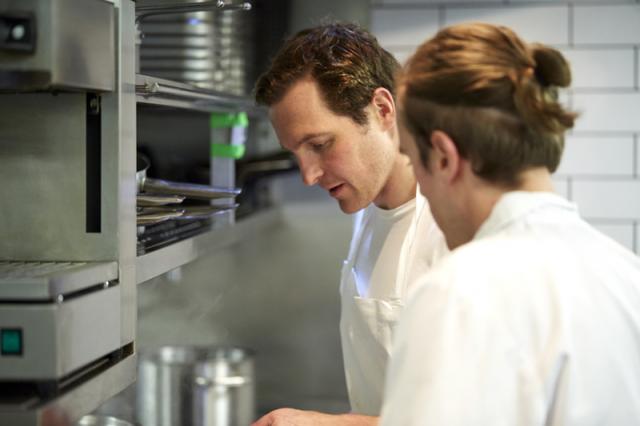
You mentioned you don’t promote yourselves, so what are your thoughts on social media?
I opened a twitter account and I never posted – I can’t even remember the password! I think Twitter is dangerous, especially if you are in a bit of a mood and you put something incendiary up there. I’d rather people came in to eat, putting everything on social media means you lose that spontaneity, that gasp moment. Obviously you want the door slightly ajar but you don’t want to let the paparazzi in to photograph everything you’ve cooked.
What are your future plans for The Five Fields?
Our time is pretty much going to be consumed by what we want to do here, trying to get it up to scratch. There are plans for perhaps doing something else but they are distant and something completely different. But the restaurant is still so interesting, its good fun and we feel we can do better.