MasterChef: The Professionals 2026 finalists – who they are and what to expect in the final



With MasterChef: The Professionals 2026 reaching its climax, the final three chefs have now been confirmed ahead of Thursday’s grand final.
After weeks of intense challenges, pressure, and scrutiny from some of the UK’s most respected chefs and critics, Luke Emmess, Gareth Baty and Mark O’Brien remain in contention for the title.
MasterChef: The Professionals, Thursday, BBC One, 8pm.
Here’s everything you need to know about the finalists, their journey through the competition, and what lies ahead in the final.
- Read: MasterChef: The Professionals 2026 winner confirmed
- Interview: How Gareth Baty overcame imposter syndrome to win MasterChef: The Professionals
Meet the MasterChef: The Professionals 2026 finalists
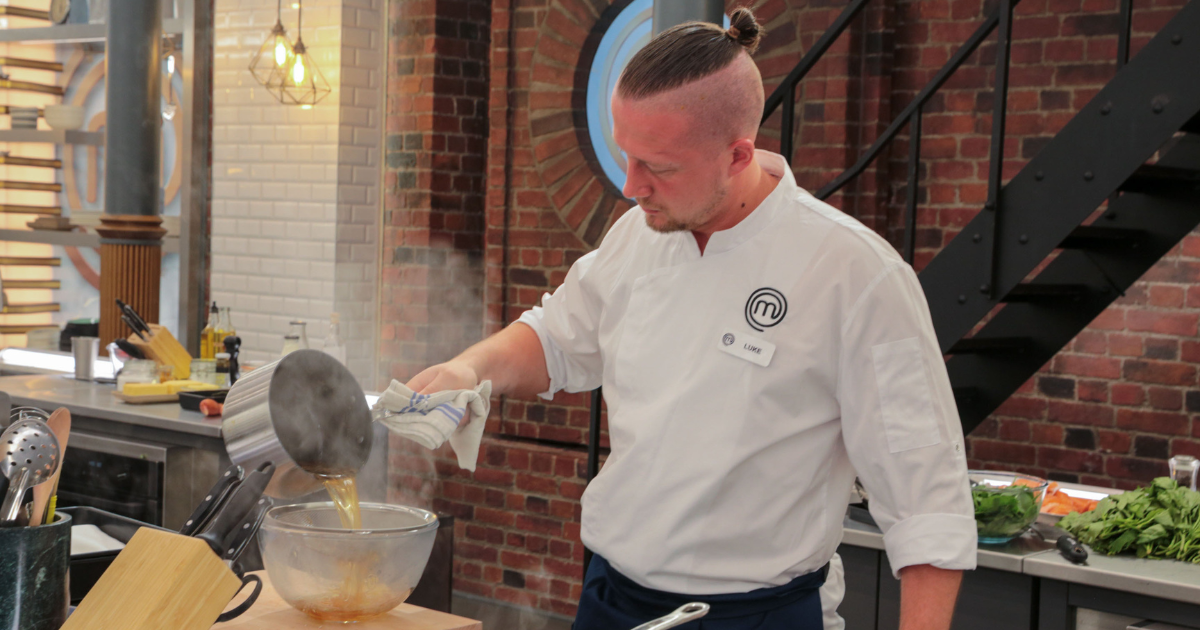
Luke Emmess
Head chef Luke Emmess, from Portsmouth in Hampshire, has progressed through the competition with a calm, focused approach.
“I entered the competition because I wanted some self-validation really on how good I was, not just from biased friends and colleagues who praise me,” he said.
“Throughout the whole competition I’ve stuck by the process of ‘keep your head down, just worry about the challenge at hand’ and not past that - one step at a time.”
Luke’s cooking is grounded in strong European influences, with a clear emphasis on reimagining familiar dishes.
He works as head chef at The Wykeham Arms in Winchester, which holds two AA rosettes.
“I love to create - but more specifically re-create - a dish that is well known and loved but re-imagining that dish as something completely new but with the same known flavour combinations,” Luke explained.
Despite the intensity of the competition, he sees the experience as a chance to improve.
He said: “I felt the whole challenge has been a great opportunity to grow and learn and every challenge had a different lesson.”
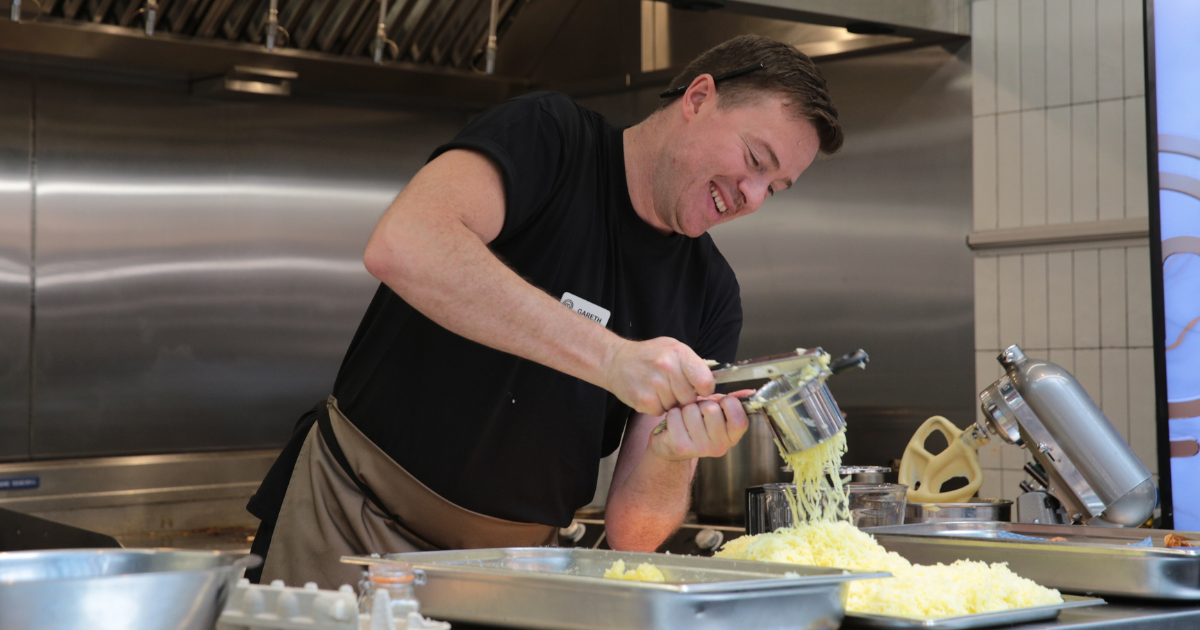
Gareth Baty
Private chef Gareth Baty, based in Greater Manchester, brings a distinctive perspective shaped by an unconventional route into cooking.
“I started out hosting supper clubs from my flat in East London… good food, a table, people around it. That instinct to be part of the meal rather than hidden at the back of a kitchen has never left me,” he said.
His cooking is driven by emotion, memory and storytelling.
Explaining his philosophy, Gareth said: “For me, food should be fun, delicious, and have meaning.
“I find the best dishes of mine are rooted in nostalgia and meaningful moments in my life.”
Reaching the final has been a defining moment.
He said: “Getting through to the Grand Final has me absolutely bursting with pride!
“It’s the most incredible feeling to have made it this far in a competition of this calibre.”
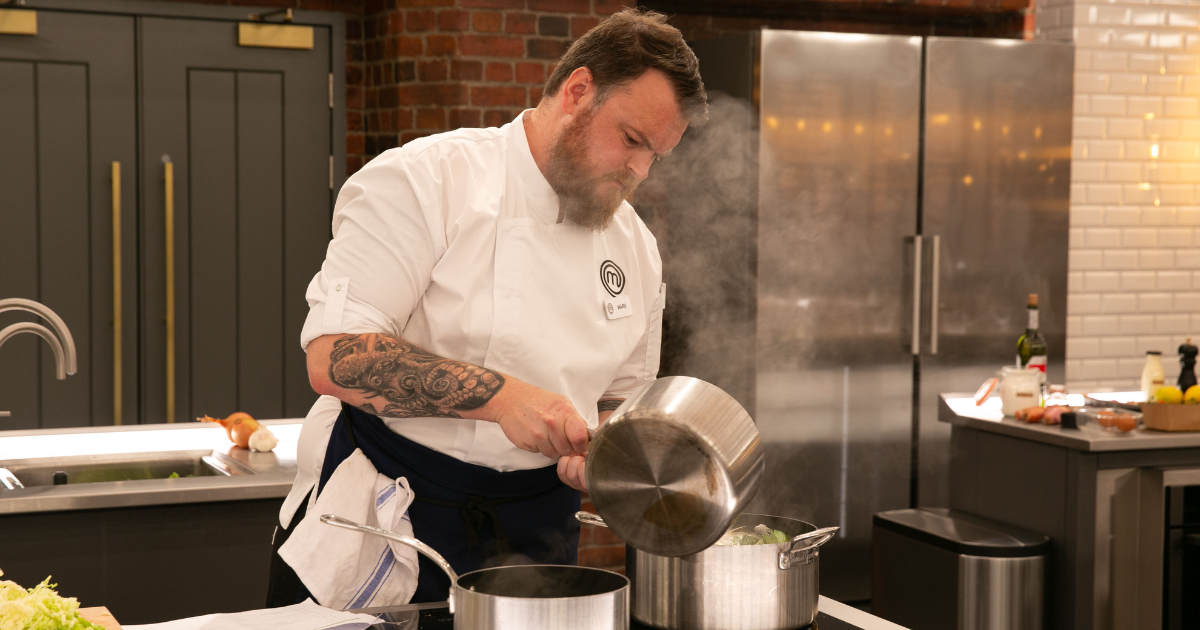
Mark O’Brien
Head chef Mark O’Brien, now based in Margate after growing up in Dublin, has brought bold, fire-led cooking to the competition.
His approach, as seen in his role as head chef at Willy’s, is centred around open-fire cooking and strong flavours.
He said: “I entered the competition as I wanted a chance to bring my food to a bigger audience and help to drive more customers to my barbecue pop-ups and now I’m in the Grand Final!
“It feels completely surreal. I am still amazed that I’ve managed to stay in the competition
this far.”
Discussing his cooking, Mark added: “I love to cook over an open fire and really enjoy working with exciting butchery techniques as well.
“My dream is to one day open a live fire steakhouse using the best possible meat and fish I can get.”
Mark admitted he the pressure of public exposure has been one of the toughest elements during his time on MasterChef: The Professionals.
“The feeling of any mistake, no matter how small, being caught on film and broadcast to the world,” said Mark.
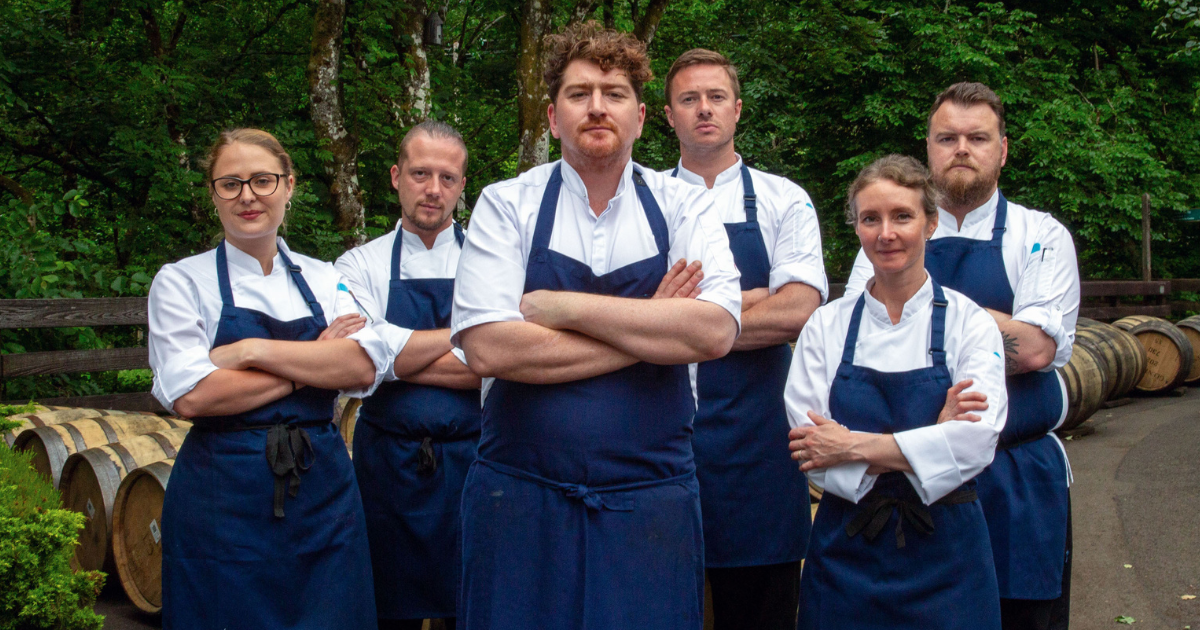
The road to the MasterChef final
As the competition progressed, the chefs faced increasingly demanding challenges both inside and outside the MasterChef kitchen.
In the quarter finals, leading critics, writers and restaurateurs judged the chefs’ food, including Jay Rayner, Tom Parker Bowles, Leyla Kazim, Jimi Famurewa, April Jackson, William Sitwell and Xanthe Clay.
Knockout week saw contestants take on a fast-paced pop-up service at Boxhall in central London, cooking for 25 diners. Speed, consistency and service discipline became just as important as flavour.
Sustainability then took centre stage in the semi-finals, where chefs were tasked with delivering a No Waste Dish, using every part of a chosen ingredient.
The remaining chefs also received a masterclass from John Chantarasak of Michelin-starred AngloThai, before cooking Thai-inspired dishes using ingredients from the MasterChef larder and a traditional charcoal stove.
Later, contestants travelled to the Scottish Highlands to cook as part of Mark Donald’s brigade at the two-Michelin-starred Glenturret Lalique restaurant.
Chef’s Table at The Goring
Chef’s Table returned to The Goring Hotel’s Michelin-starred Dining Room in London, widely considered one of the most demanding stages of the competition.
The chefs cooked for 27 guests holding a combined 36 Michelin stars, including Sarah Hayward (The Hand & Flowers), Daniel Clifford (Midsummer House) and Ahmet Dede (Dede).
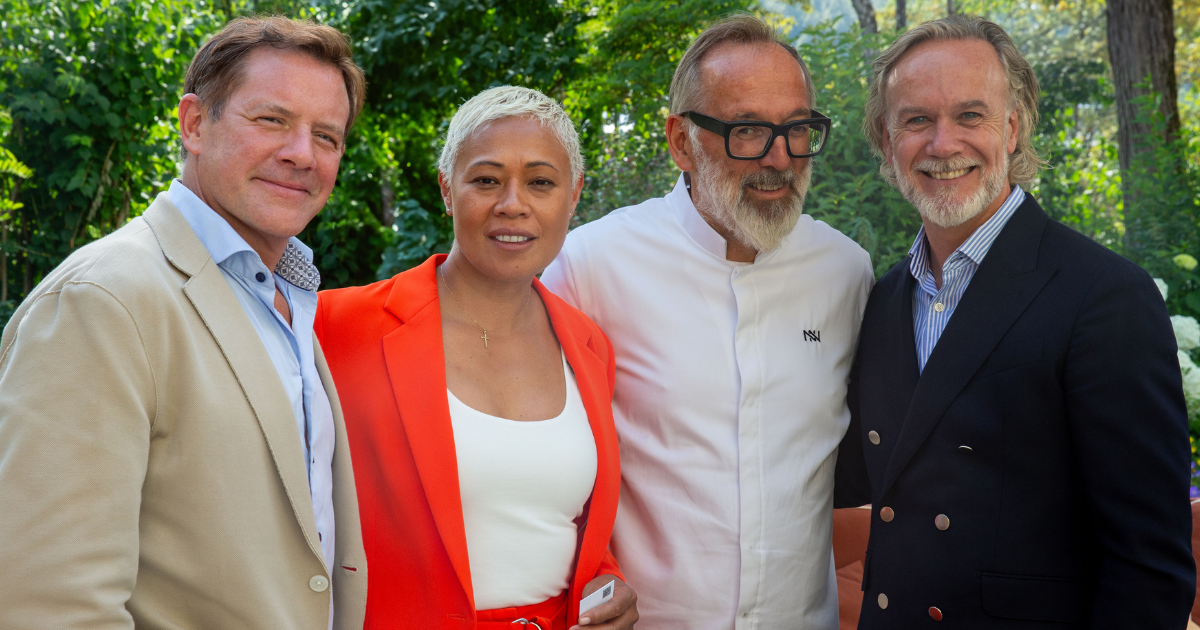
What happens in the final?
For the final three, the competition culminates in South Tyrol, Italy, where the chefs cook for Norbert Niederkofler at his three-Michelin-starred Atelier Moessmer.
His ‘cook the mountain’ philosophy challenges the finalists to focus on hyper-local, ingredient-led cooking. The chefs join his brigade during service before returning for the grand final.
Judge Monica Galetti said: “Very few people get access to a chef of his calibre. To see our chefs step up to that level is something special.”
Fellow judge Matt Tebbutt added: “The pressure was huge, but it was amazing to see what they achieved in that environment.”
The competition concludes with each chef delivering the best three courses of their career.

For 18 years, The Staff Canteen has been the meeting place for chefs and hospitality professionals—your stories, your skills, your space.
Every recipe, every video, every news update exists because this community makes it possible.
We’ll never hide content behind a paywall, but we need your help to keep it free.
If The Staff Canteen has inspired you, informed you, or simply made you smile, chip in £3—less than a coffee—to keep this space thriving.
Together, we keep the industry connected. Together, we move forward.
Support Us
CONTRIBUTE
MasterChef: The Professionals 2026 finalists – who they are and what to expect in the final


