Top female chefs in Australia


Australia’s hospitality industry is witnessing a powerful shift. More women than ever are leading restaurant kitchens, championing creativity, balance, and inclusivity in a sector once dominated by men.
From Sydney’s fine dining rooms to Tasmania’s regional producers, female chefs are redefining what leadership looks like in food.
This guide celebrates the women transforming Australia’s culinary culture - highlighting key figures, examining the importance of visibility and mentorship, and exploring how inclusive leadership is shaping the next generation of chefs.
At a Glance
• Pioneering chefs: Danielle Alvarez, Analiese Gregory, Jo Barrett, Thi Le, Kylie Kwong
• Key themes: Leadership, mentorship, work-life balance, visibility
• National initiatives: Women in Hospitality (WOHO), The Leading Ladies of Food & Beverage, ChefWorks partnerships
• Growing trend: Female-led restaurants and regional innovation
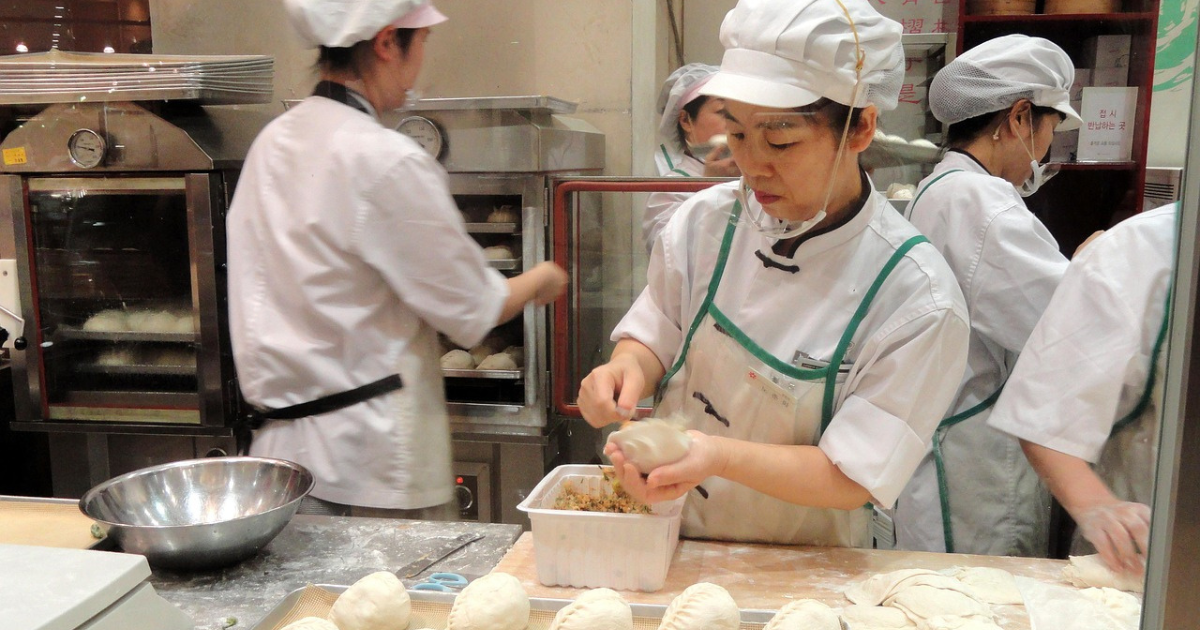
Why Visibility Matters
Representation in professional kitchens is not just symbolic - it changes the culture of hospitality. When diners, apprentices, and peers see women at the pass, it normalises equality and opens doors for others to follow.
Across Australia’s dining scene, more female chefs are earning places in major restaurant guides, appearing on judging panels, and mentoring younger talent. Their visibility challenges outdated stereotypes and strengthens the industry’s commitment to diversity.
By recognising female leadership, Australia’s hospitality sector is building a culture where skill, creativity, and collaboration matter more than gender.
Profiles: Australia’s Leading Female Chefs
Known for her produce-driven approach and calm, inclusive leadership style, Danielle Alvarez has become one of Australia’s most respected chefs. At Fred’s, she championed farm-to-table dining with an emphasis on seasonality and simplicity. Her philosophy continues to influence a new wave of chefs who value connection to growers and sustainable sourcing.
Analiese Gregory - Tasmania
After a career spanning Quay, Bras, and Franklin, Analiese Gregory traded city kitchens for Tasmania’s wild countryside. Her work celebrates self-sufficiency, fermentation, and native ingredients — values showcased in her cookbook 'How Wild Things Are'. Gregory’s regional influence has inspired many young chefs to rethink sustainability and lifestyle balance.
Jo Barrett — Futurefoodsystem, Yarra Valley
Jo Barrett’s innovative career fuses cooking, architecture, and environmental design. Through Futurefoodsystem, she explores how closed-loop dining and zero-waste systems can shape the restaurants of tomorrow. A passionate educator, Barrett advocates for circular food models and hands-on mentorship to prepare the next generation for sustainable cooking.
Thi Le — Anchovy & Jeow, Melbourne
Thi Le brings authenticity and creativity to Australia’s modern Asian cuisine. At Anchovy and Jeow, she blends Vietnamese and Lao heritage with fine-dining precision. Her dishes tell personal stories about migration, identity, and belonging — and her leadership exemplifies integrity and innovation within Melbourne’s restaurant scene.
Kylie Kwong — Lucky Kwong, Sydney
As one of Australia’s most recognisable chefs, Kylie Kwong has long been a champion of sustainability, community, and cultural inclusion. Through Lucky Kwong, she continues to highlight Indigenous produce and ethical sourcing while mentoring young women and diverse voices in hospitality.
Mentorship and Community Support
Mentorship remains one of the strongest forces driving equality in Australia’s kitchens. Organisations such as Women in Hospitality (WOHO) provide professional development, networking events, and scholarships that connect female chefs with mentors across the industry.
Community-led groups - including The Leading Ladies of Food & Beverage - also run workshops and panel discussions on leadership, wellness, and career advancement. Collaborations with partners such as ChefWorks have created visible support systems that help women step into senior roles.
Public statements from industry leaders often credit mentorship as the reason they stayed in hospitality, proving that structured guidance and peer support can have measurable impact.
Breaking Barriers in Kitchen Culture
Despite progress, female chefs still face barriers - from unconscious bias to inflexible work patterns. The new generation of leaders is rewriting those rules through collaboration, flexible rostering, and mental-health awareness.
Restaurants that prioritise inclusion - offering equitable pay, parental support, and anti-harassment policies - are seeing better retention and stronger teams. Male allies play a crucial role too: senior chefs who mentor women and promote balanced leadership models are helping the entire industry evolve.
By focusing on respect and communication, Australia’s leading kitchens are proving that equality and excellence can thrive together.
Regional and Emerging Voices
Beyond the major cities, regional Australia is producing outstanding female-led restaurants that champion sustainability and community:
• Ellie Bouhadana (Hope St Radio, Melbourne) – combines casual creativity with strong community focus.
• Alanna Sapwell (Coral Street Food Store, Noosa) – showcases sustainable seafood and hyper-local produce.
• Hannah Green (Ettie’s, Hobart) – brings leadership and innovation to Tasmania’s evolving food scene.
Regional chefs often wear multiple hats - producer, teacher, mentor - creating kitchens that double as community hubs. Their work demonstrates that leadership isn’t confined to capital cities.
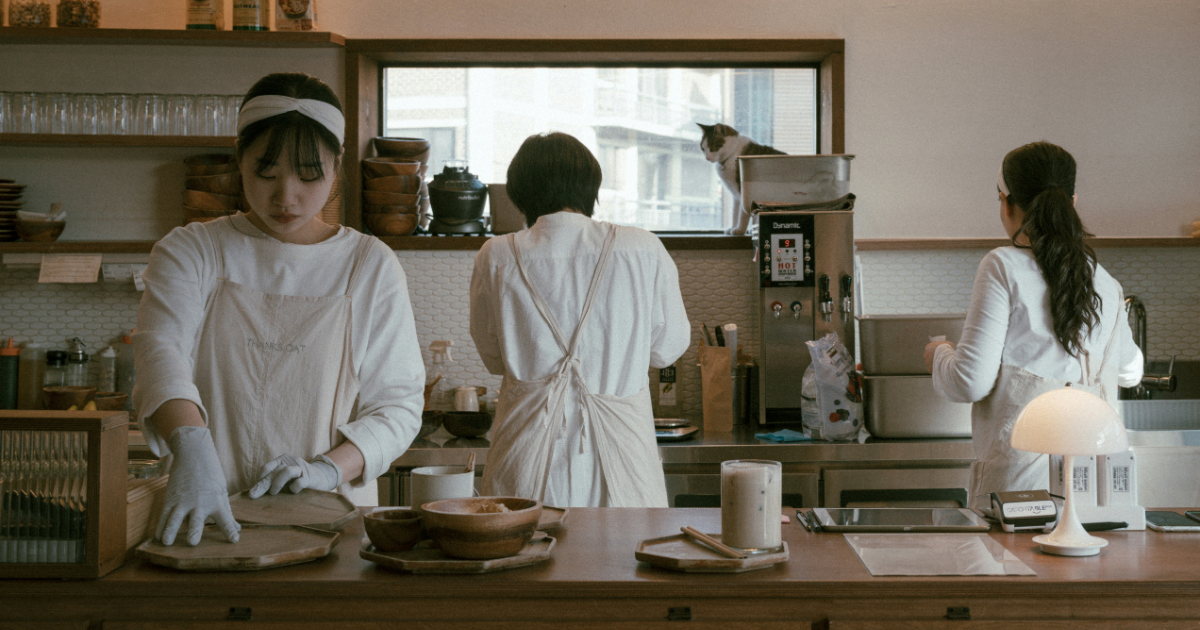
How to Support Women in Hospitality
Progress requires collective effort. Here are five ways individuals and businesses can help create equality in hospitality:
1. Attend events celebrating women in food and hospitality.
2. Mentor or train emerging female chefs and apprentices.
3. Offer flexible rosters and parental support to retain experienced staff.
4. Support female-led venues and local suppliers through your spending choices.
5. Engage with organisations advocating diversity, inclusion, and mental-health awareness.
Real change happens when chefs, employers, and sponsors work together to build fair, inspiring workplaces.
Final Thoughts
Women are reshaping Australia’s culinary landscape - not just through their food, but through their leadership, mentorship, and collaboration. Their visibility encourages new generations to see hospitality as a sustainable, rewarding career.
As the industry continues to evolve, the rise of female-led kitchens proves that diversity is not a trend but a fundamental strength.

For 18 years, The Staff Canteen has been the meeting place for chefs and hospitality professionals—your stories, your skills, your space.
Every recipe, every video, every news update exists because this community makes it possible.
We’ll never hide content behind a paywall, but we need your help to keep it free.
If The Staff Canteen has inspired you, informed you, or simply made you smile, chip in £3—less than a coffee—to keep this space thriving.
Together, we keep the industry connected. Together, we move forward.
Support Us
CONTRIBUTE
Top female chefs in Australia


