as if entitlement is a rule.
“When I say that I don’t do vegan they want to report me. But I don’t go into a vegan restaurant and ask what the meat option is.”
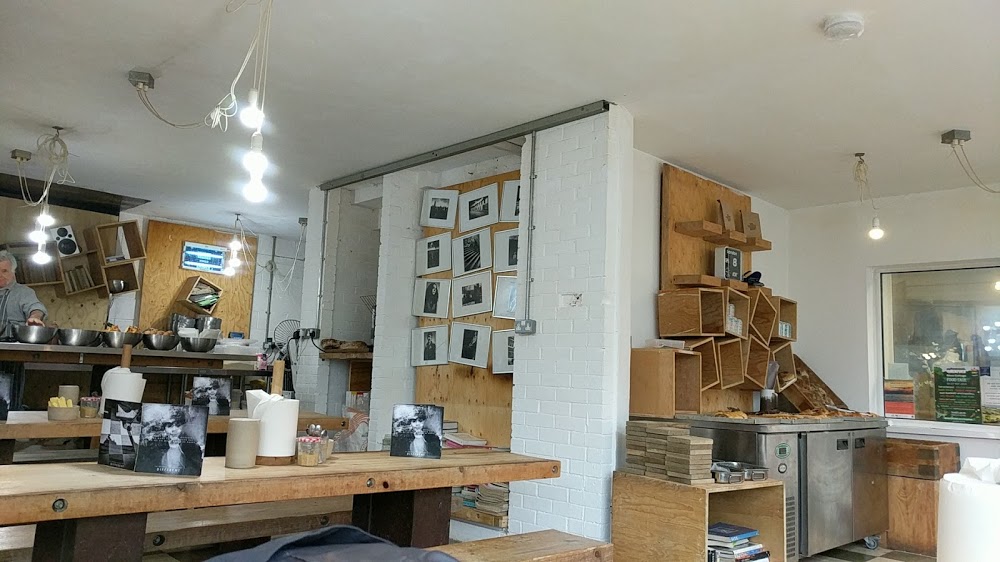
For him, running his business this way means he can keep things on a small scale, working with local suppliers - and still turn a profit.
“It’s called village economics; small is beautiful,” he said.
“I wanted there to be a culture of ‘enoughness’: my local suppliers only have a certain amount of produce, I only have a certain number of tables.”
Not to everyone's taste
While his stance has attracted its share of negative reviews - which, luckily for Clive is only one of two locations to eat at in Rousdon, but nonetheless ranks second - he has enough loyal customers singing his praises, making sure he fills up for breakfast and sells out of bread by the time he closes at 2pm everyday.
In fact, according to his contactless payment systems, he explained, 75 percent of his customers are return visitors, and he likes it that way.
“New people are a problem to me,” he said, because new customers tend to question his modus operandum.
“I really don’t want any more customers.”
For Clive, if more restaurants didn't try and cater for everyone, they would find it easier to be profitable.
And while his returning customers aren't phased by his strict policies, he doesn't mind being imperfect, regularly running out of bread, seats and parking seats. For him, consistency can't save a business - as demonstrated by the demise of chain restaurants.
“Look at Patisserie Valerie; it used to be a tiny place on Old Compton Street in Soho; you didn’t know who was sitting down, who was buying a cake – it was a mess, but it was filled with excitement," he said.