Squid game: The chefs and suppliers making seafood ‘cool again’


Research reveals that consumers are becoming more daring with fish and seafood when eating out, increasingly seeking new species, flavours and formats they wouldn’t prepare at home.
The Staff Canteen talks to some of the chefs and suppliers to find out how they are satisfying their diners’ curiosities.
A Decline in Overall Seafood Consumption
As an island nation you would assume we’d be filling our plates with the bounties of the sea, but a recent report by Seafish, the public body supporting the seafood industry in the UK, suggests consumers are not eating as much fish as we could.
In the last year, seafood consumption out of home (including work and education settings, fish and chip shops, restaurants and pubs) fell by 3.6% to 980 million servings or 142,484 tonnes [Source: Seafood in GB foodservice to March 2025] continuing an ongoing decline in seafood sales.
Opportunity for Restaurants to Lead the Way
It may seem like a gloomy outlook for restaurants serving fish and seafood, but before you click away in despair, take note that the same report unearthed opportunities for chefs and restaurants willing to be more adventurous with seafood.
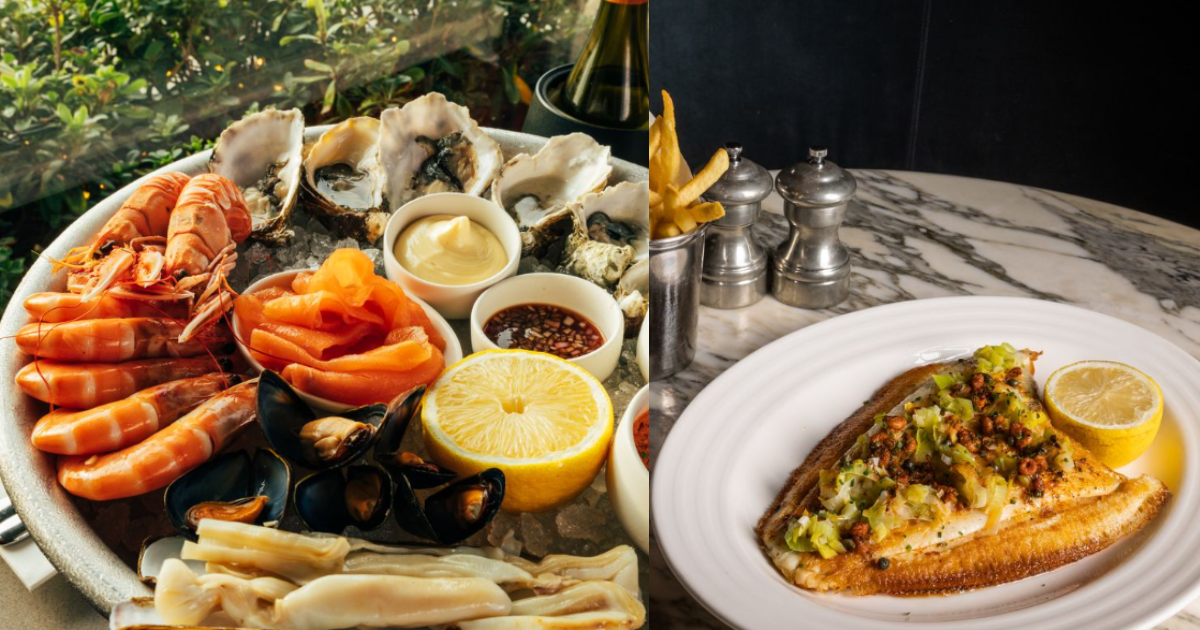
According to the survey of 75,000 consumers, those who eat seafood when going out to eat are open to ‘trying new seafood dishes, flavours and species that they wouldn’t cook at home,’ a statement backed up by the fact that restaurants actually grew their share of the seafood out-of-home market last year, compared with fish and chip shops and schools and workplaces, which led the overall decline in seafood sales out of home.
If fish and seafood are not dead in the water as far as restaurants are concerned, how can chefs and restaurants best capitalise on consumer interest?
The Kingfish Company: Supplying for Adventurous Menus
The Kingfish Company, a supplier of Yellowtail Kingfish raised in a fully-controlled, land-based aquaculture system in Zeeland in the Netherlands, is seeing demand for its fish from restaurants like Amazonico London, Sparrow Italia and Coya Mayfair. Its BDM and development chef Gudo Klein Gebbink, has noticed that people are more adventurous when they go out to eat and chefs are perfectly placed to whet their appetites for more fish and seafood.
“When dining out, consumers are looking for something they wouldn’t prepare at home – unique cuts, exotic preparations, or species they’re unfamiliar with. This creates a perfect opportunity for chefs to introduce high-quality fish like our Yellowtail.”
Cail Bruich: Showcasing the Best of Scottish Seafood
Fish plays a central role in the tasting menus at Glasgow restaurant Cail Bruich where Lorna McNee, applies her skills and creativity to working with fresh, sustainably-caught Scottish seafood to wow her diners.
“We’re always offering alternatives to the more commonly featured fish by listening to our suppliers and them letting us know when they have something exciting and new in the door,” says Lorna, “It’s not about being different for the sake of it, it’s about using what’s seasonal, sustainable, and tasting great.”
Current fish dishes on Cail Bruich’s menu include an ‘incredibly popular’ cured mackerel dish served with a Thai-style sauce made from mussels, chilli and ‘loads of fresh, vibrant green herbs for a real punch of flavour’ and a roasted langoustine dish.
“We use jumbo langoustines from the Isle of Skye. These are massive, sweet, juicy, and stunning in quality,” adds Lorna, who cooks the langoustines on a Konro grill before finishing them with a dried nasturtium salt and serves them with a ravioli filled with claw meat mixed with preserved Isle of Wight tomatoes, XO sauce, fresh herbs and a house-made spice blend. A rich bisque made from the heads enriched with cream and butter and balanced with a ‘touch’ of smoked vinegar finishes the dish off.
Lorna takes a creative approach with seafood for her diners, preparing it in a way that highlights its best qualities with the aim of providing diners with something unexpected ‘but that feels natural and delicious when they eat it.’
Fine Dining Diners Are Willing to Experiment
She says her guests are generally very open to trying new fish dishes – it’s what they expect from a visit to Cail Bruich – which fuels her drive to showcase a wider variety of fish and shellfish, and to be more creative with how they use them.
“I think in fine dining, guests are more willing to let themselves go and let the chefs do what they want and believe is right,” adds Mark Poynton, who opened The Ancient Shepherds, a tasting menu-only restaurant with rooms outside Cambridge last month.
Like Lorna, Mark is a fish aficionado with at least one of the dishes on the three, five or seven-course tasting menus at The Ancient Shepherds including seafood.
“Fish is my favourite thing to prepare and cook,” he says. “Every fish is different and reacts differently to cooking, curing and preparing methods. For me, that’s the thing that gives the most satisfaction when cooking, as it is one of the hardest things to get consistently right.”
Casual Dining Making Seafood Accessible
While fine-dining chefs are providing food for thought for their more daring diners, there is evidence that interest in fish is filtering down into
casual dining, Mark adds.
Restaurants like ‘modern and unpretentious’ seafood bistro Noisy Oyster, which opened in Shoreditch in June, are making seafood interesting and accessible.
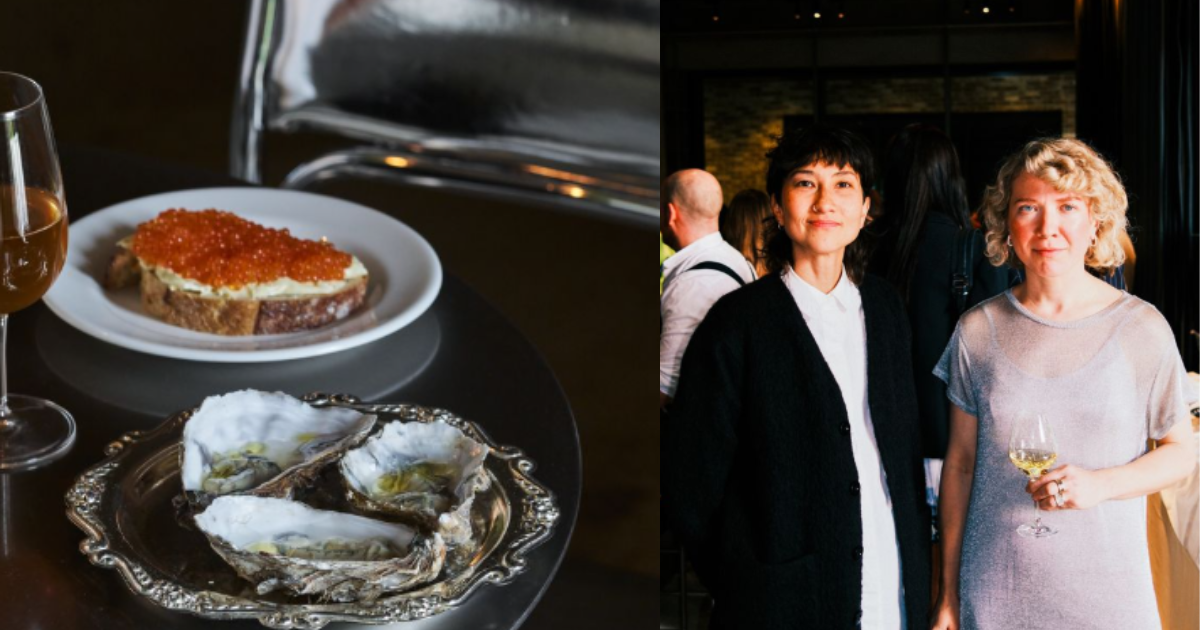
Founders Madina Kazhimova and Anna Dolgushina said they had been ‘blown away’ by British seafood since arriving on our shores to open their other restaurant Firebird in 2022, and saw an opportunity to showcase it in a cool, contemporary setting.
“Seafood is cool again, and we’re loving it. Chefs are spotlighting the jewels of the sea more than ever before – not just on their menus, but also across their social channels,” agrees Adam Wing head of trade marketing – UK, Middle East & Asia at Seafood Scotland.
“There’s a renewed creativity and confidence in how seafood is being prepared and presented – from dry-aging fish to using global techniques like Japanese ikejime or Mediterranean whole-fish cookery. The days of seafood being seen as difficult or niche are long gone.”
Noisy Oyster: Breaking the Rules with Bold Flavours
Indeed, there’s nothing pedestrian about the dishes created by Noisy Oyster’s head chef Alfie Bahnan. How about dressed oyster with smoked tomato water (inspired by a Bloody Mary); scallops dressed with pickled raspberry, chilli and basil oil; savoury maritozzo and caviar, filled with whipped ricotta; blue-fin tuna steak paired with pink peppercorn sauce and Treviso, and skate wing with pangrattato crumb served with mixed peach panzanella for inspiration?
“I'd encourage people to think outside the traditional ways to serve seafood,” Alfie suggests to those struggling to find inspiration with fish. “A lot of flavours that classically pair well with red meat pair perfectly with types of fish. Take Noisy Oyster's tuna steak, for example, I made a few tweaks to a traditional peppercorn sauce (like subbing green peppercorn for a floral pink peppercorn) to suit the style of fish.”
Tips for Engaging Fish-Forward Diners
Gudo at The Kingfish Company’s suggestions to make things more interesting for fish-forward diners include offering multiple preparations, for example a crudo starter and a grilled main; using flavour-packed pairings like fermented ingredients and bold sauces, and storytelling (sharing the background, of the fish, sustainability practices, and how it’s raised) can engage diners.
“Consumers are increasingly looking for healthier and more sustainable menu options — and fish fits naturally into that trend. By highlighting provenance, sustainability, and unique flavour profiles, chefs can elevate fish dishes beyond the traditional,” he adds.
Sustainability and Menu Innovation
Sustainability is an important factor to note, agrees Adam at Seafood Scotland, who also recommends examining broader consumer dining trends to find a way to elevate the dishes on your menu.
“A growing interest in sustainable animal proteins is an easy one to connect with seafood, but other trends that can be built on are foods with added benefits, such as improving digestion or mental health, and the ‘snackification’ of food,” he says.
Current trends Adam notes include whole fish served on the bone, raw and cured preparations, large seafood platters, and hyper-specialised concepts that focus on a single species or preparation style.
Raw and Cured Fish Gaining Popularity
Lorna agrees that today’s diners are happier to try raw and cured fish, especially as sushi has grown in popularity.
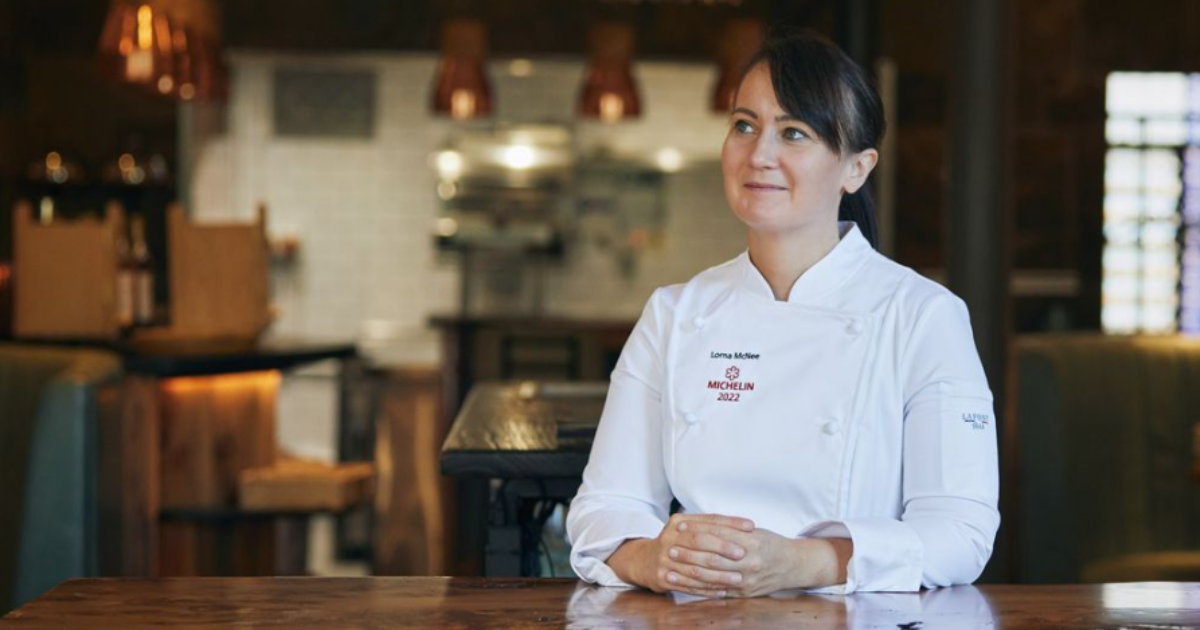
“At Cail Bruich, we use raw and cured fish regularly, we believe it’s one of the best ways to let the product speak for itself. When the fish is that fresh and well-sourced, you don’t need to do much. It’s clean, light, and vibrant, a brilliant way to start a meal.”
Classical Simplicity at Sam’s Waterside
Selecting fresh, well-sourced fish and seafood as the starting point to any dish and not veering too far from the norm is the philosophy of Abbie Hendren, head chef at Sam’s Waterside, Brentford.
“We like to keep things quite classical at Waterside, for example we currently have whole lemon sole on the menu with a brown shrimp beurre noisette.
“I think for us the crowd really appreciate good quality ingredients cooked really simply, so we never have too much fuss when it comes to the dish concept.”
Working closely with suppliers to get the freshest, best quality fish and seafood through the door is the key, she says, noting a strong relationship with Wright Brothers for oysters; Portland Shellfish for its ‘next level’ crab to go in a crab linguine and Kames in Scotland for its cured steelhead trout – a ‘permanent feature on the menu’ served with a yuzu dressing, avocado and pickled radishes.
“The most interesting aspect of working with fish is the seasonality of it. I think people are a bit unaware of how important it is to have a good relationship with your suppliers so you can stay on top of what’s landing. I spend ages in the morning on the phone trying to work out what’s best for us that day - my chefs all think I’m a bit insane but it’s so worth the extra effort!”
(Written by Emma Eversham)


For 18 years, The Staff Canteen has been the meeting place for chefs and hospitality professionals—your stories, your skills, your space.
Every recipe, every video, every news update exists because this community makes it possible.
We’ll never hide content behind a paywall, but we need your help to keep it free.
If The Staff Canteen has inspired you, informed you, or simply made you smile, chip in £3—less than a coffee—to keep this space thriving.
Together, we keep the industry connected. Together, we move forward.
Support Us
CONTRIBUTE
Squid game: The chefs and suppliers making seafood ‘cool again’


